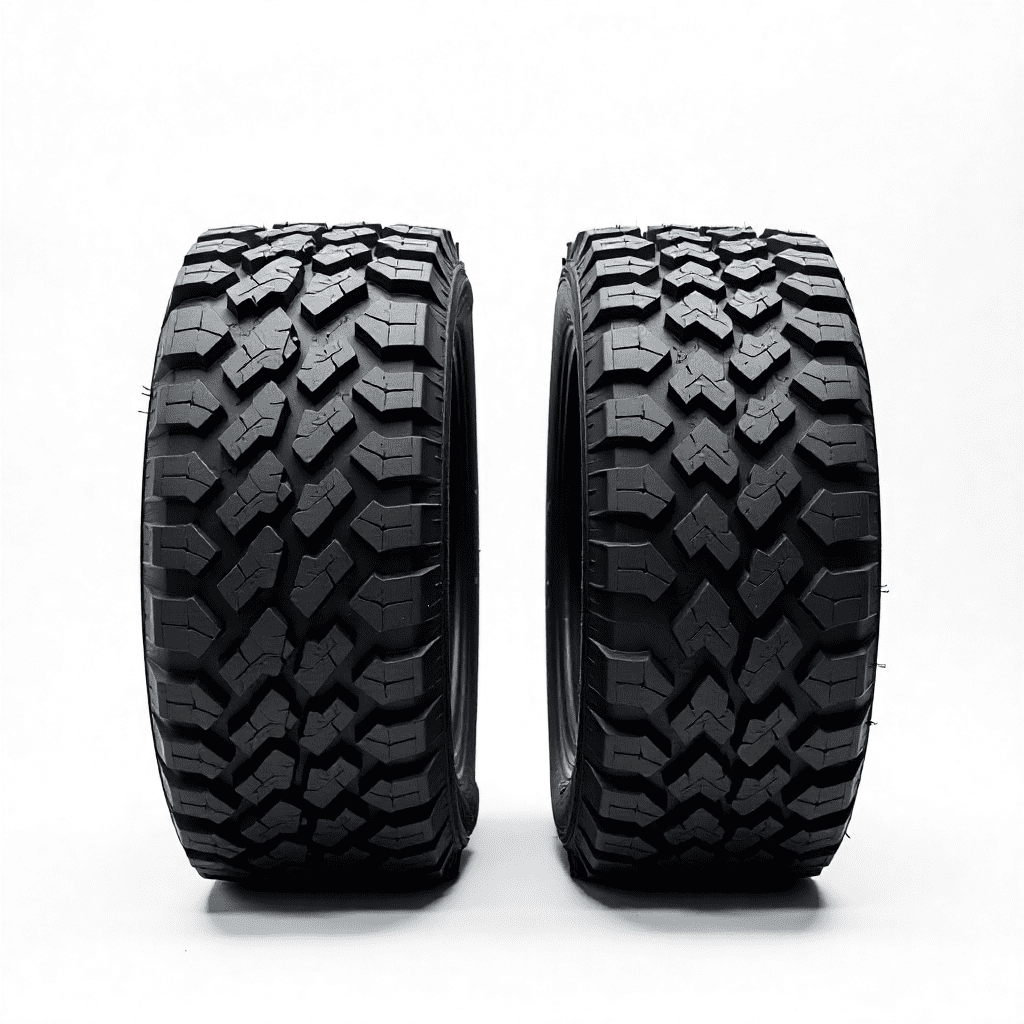
All Terrain Tyres vs Highway Terrain Tyres | 2025 Review
Table of Contents
- All Terrain Tyres vs Highway Terrain Tyres – A Complete Guide by Hot Tyres
- 1. Understanding the Difference: All Terrain Tyres vs Highway Terrain Tyres
- 2. Tread Design: The Most Important Distinction
- 3. Road Performance: Which Tyre Is Better on Highways?
- 4. Off-Road Performance: Clear Winner – All Terrain Tyres
- 5. Noise Levels: Quiet vs Audible
- 6. Ride Comfort: Softness vs Firmness
- 7. Fuel Efficiency: H/T Tyres Clearly Win
- 8. Durability and Lifespan
- 9. Wet Weather Performance: A Close Comparison
- 10. Cost and Value for Money
- 11. Who Should Choose Highway Terrain Tyres?
- 12. Who Should Choose All Terrain Tyres?
- 13. How to Decide: A Practical Checklist
- 14. The Australian Environment: A Unique Challenge
- 15. Final Verdict: Which Tyre Is Better?
- Contact Us:
- FAQs – All Terrain Tyres vs Highway Terrain Tyres
- Contact Us:
All Terrain Tyres vs Highway Terrain Tyres | 2025 Review
Table of Contents
All Terrain Tyres vs Highway Terrain Tyres – A Complete Guide by Hot Tyres
All Terrain Tyres vs Highway Terrain Tyres: Choosing the right tyres is one of the most important decisions you can make for your vehicle—especially in Australia, where road conditions range from long, smooth highways to rugged outback trails. Among the most common choices for SUV and 4×4 owners, the debate between all terrain tyres vs highway terrain tyres is ongoing. Many drivers aren’t always sure which type suits their lifestyle, their driving environment, or their expectations for performance, comfort, and durability.
At Hot Tyres in Riverwood, Sydney, we meet hundreds of customers every month who ask us the same big question: “Which is better for me—A/T or H/T tyres?” The truth is, the answer depends entirely on how and where you drive. Both tyre types serve very different purposes and offer their own strengths and limitations.
This guide breaks down everything you need to know about all terrain tyres vs highway terrain tyres, in a fully comprehensive, beginner-friendly format. Whether you commute around Sydney metro, take weekend camping trips, or explore Australia’s remote bush tracks, this article will help you make the right decision—based on real-world performance, tyre engineering, cost considerations, long-term value, and your personal driving habits.
1. Understanding the Difference: All Terrain Tyres vs Highway Terrain Tyres
Let’s begin by defining each tyre category in simple terms:
Highway Terrain (H/T) Tyres
- Designed primarily for sealed roads
- Prioritise comfort, stability, and quietness
- Offer excellent highway mileage
- Ideal for urban and suburban driving
In other words, H/T tyres are best for people who spend 90–100% of their time on the road, and want smooth rides without noise.
All Terrain (A/T) Tyres
- Built for both sealed roads and light to moderate off-road conditions
- Have more aggressive tread
- Provide better traction on gravel, dirt, mud, and grass
- Made with tougher construction
A/T tyres are perfect for drivers who want a single tyre that handles both city roads and adventure trips.
So when comparing all terrain tyres vs highway terrain tyres, your lifestyle becomes the key deciding factor.
2. Tread Design: The Most Important Distinction
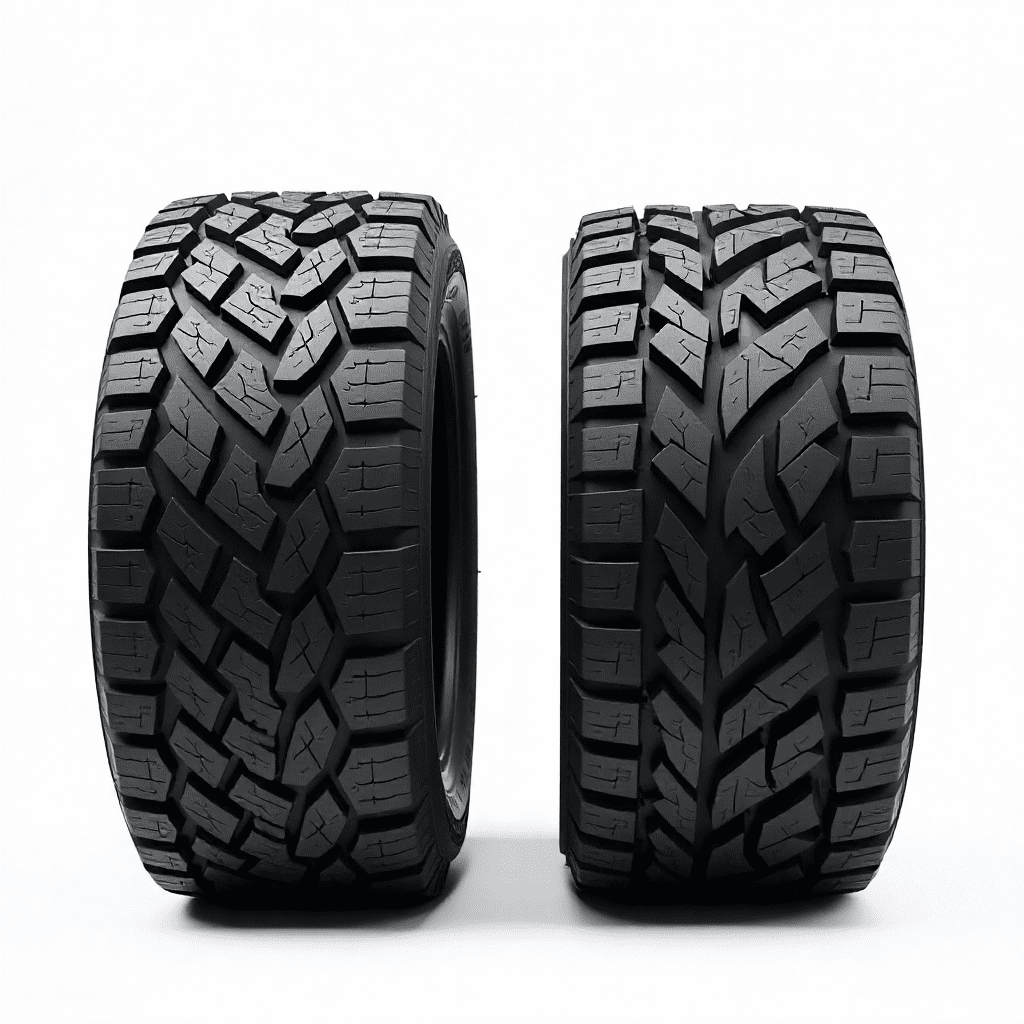
When customers ask what really separates all terrain tyres vs highway terrain tyres, our answer is always the same: tread design.
Highway Terrain Tyre Tread
H/T tyres feature:
- Straight, closely spaced tread blocks
- Shallower tread depth
- Smooth shoulder design
- Optimised patterns for reduced rolling resistance
This means:
- Less noise
- Better fuel economy
- Strong wet-weather performance
Their design is meant for efficiency and comfort rather than ruggedness.
All Terrain Tyre Tread
A/T tyres have:
- Larger, deeper, and more aggressive tread blocks
- Wider spacing between grooves
- Reinforced shoulders
- More biting edges
This helps with:
- Grip on loose surfaces
- Clearing mud or debris
- Preventing punctures from rocks
- Delivering traction on uneven ground
However, the larger pattern increases road noise and sometimes reduces fuel efficiency.
3. Road Performance: Which Tyre Is Better on Highways?
When looking at all terrain tyres vs highway terrain tyres for motorway or freeway driving, H/T tyres take the win.
Highway Terrain Tyres on the Road
- Very quiet
- Great steering feedback
- Smooth rides
- Excellent braking distances
- Optimised for long wear life
If you drive in Sydney traffic, take daily commutes, or frequently use long stretches of bitumen, H/T tyres perform significantly better.
All Terrain Tyres on the Road
A/T tyres still perform well on highways, but you may notice:
- Slightly more noise
- Firmer ride feel
- Reduced fuel economy
- Sometimes longer braking distances
Modern A/T models have improved greatly, but H/T tyres still lead for pure highway comfort.
4. Off-Road Performance: Clear Winner – All Terrain Tyres
When comparing all terrain tyres vs highway terrain tyres for off-road capability, A/T tyres dominate every category.
Why A/T Tyres Are Better Off-Road
- Deeper tread grips gravel
- Open shoulder design helps in dirt and mud
- Thicker sidewalls resist punctures
- Reinforced carcass handles rocks and sharp objects
You can drive on:
- Bush tracks
- Sand
- Loose soil
- Trails
- Wet grass
- Steep gravel inclines
H/T tyres, on the other hand, are not designed for off-road stress and may get damaged easily.
5. Noise Levels: Quiet vs Audible
One of the biggest practical differences between all terrain tyres vs highway terrain tyres is road noise.
Highway Terrain Tyres
- Smooth tread
- Lower friction
- Less vibration
- Reduced humming and growling
Perfect for drivers who value silence, especially on long trips.
All Terrain Tyres
- Deeper tread causes more air displacement
- Patterns create audible humming
- Noise increases as tyres wear
Some premium A/T tyres use noise-reduction technology, but they will never be as quiet as H/T tyres.
6. Ride Comfort: Softness vs Firmness
Comfort matters, especially in a city like Sydney with varied road surfaces.
Highway Terrain Comfort
H/T tyres:
- Absorb bumps easily
- Provide smoother rides
- Reduce cabin vibration
Ideal for families, daily commuters, and long-distance travellers.
All Terrain Comfort
A/T tyres have:
- Firmer ride
- Stiffer sidewalls
- More vibration at low speed
However, modern A/T tyres have improved significantly, offering a surprisingly balanced feel.
7. Fuel Efficiency: H/T Tyres Clearly Win
Fuel economy is a major consideration in 2025 and beyond. The comparison of all terrain tyres vs highway terrain tyres shows that H/T tyres consume less fuel due to:
- Lower weight
- Smaller tread depth
- Reduced rolling resistance
A/T tyres, being heavier and chunkier, require more energy to move.
Expect a 3–7% drop in fuel efficiency when switching from H/T to A/T tyres.
8. Durability and Lifespan
Highway Terrain Durability
H/T tyres last long on bitumen because they’re designed for:
- High mileage
- Even tread wear
- Smooth surfaces
They may, however, wear quickly on rough terrain.
All Terrain Durability
A/T tyres are stronger because they feature:
- Tougher compounds
- Reinforced sidewalls
- Thicker rubber layers
They resist:
- Cuts
- Chips
- Stones
- Punctures
However, because the tread is softer for grip, A/T tyres may wear slightly faster on pure highway use.
9. Wet Weather Performance: A Close Comparison
Sydney weather can be unpredictable, so wet performance matters.
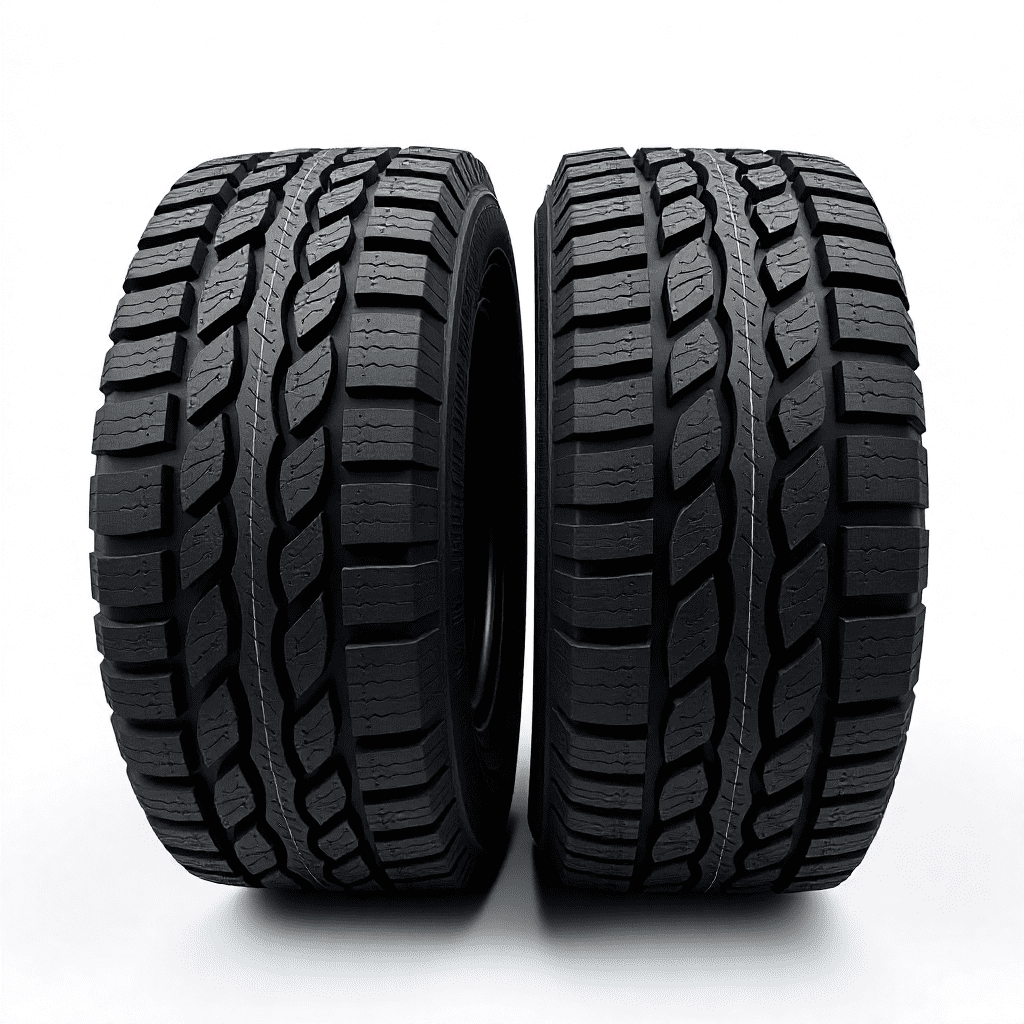
Highway Terrain Tyres
Excellent for:
- Fast water evacuation
- Aquaplaning resistance
- Predictable braking
Their siping and pattern design are tailored for sealed roads.
All Terrain Tyres
Modern A/T tyres are also good in the wet, but:
- Wider grooves may reduce contact on wet bitumen
- Some A/T designs may slip during sudden stops
Premium brands perform very well, but H/T tyres still remain superior in heavy rain.
10. Cost and Value for Money
H/T Tyres Cost
Generally cheaper because they require less aggressive manufacturing.
A/T Tyres Cost
A/T tyres are more expensive due to:
- Reinforced construction
- Deeper tread
- Specialised materials
However, they offer more versatility and durability.
Which Is More Cost-Effective?
It depends on your usage:
- Mostly highway driving → H/T is more economical
- Mixed driving → A/T offers better long-term value
11. Who Should Choose Highway Terrain Tyres?
You should choose H/T tyres if:
- You drive mainly on roads
- You want quiet, comfortable trips
- You prioritise fuel savings
- You rarely go off-road
- You’re looking for long tyre life
Ideal for:
- Families
- Daily commuters
- Ride-share drivers
- Long-distance travellers
12. Who Should Choose All Terrain Tyres?
You should choose A/T tyres if:
- You go camping, fishing, or beach driving
- You travel on dirt or gravel roads
- You need a tyre that can do both city and off-road
- You want more grip and toughness
- You value versatility over comfort
Perfect for:
- 4×4 owners
- Adventurers
- Outdoor enthusiasts
- Tradies who visit job sites
- People living in rural or semi-rural areas
13. How to Decide: A Practical Checklist
When choosing between all terrain tyres vs highway terrain tyres, ask yourself:
- How often do I genuinely drive off-road?
- Do I care more about comfort or capability?
- Do I want maximum fuel efficiency?
- Do I carry heavy loads or tow trailers?
- Do I want a quiet or rugged tyre?
- Do I travel long distances frequently?
The answers will naturally guide you to the right tyre category.
14. The Australian Environment: A Unique Challenge
Australia’s road conditions are unlike anywhere else. This is why the comparison of all terrain tyres vs highway terrain tyres is more relevant here than in many other countries.
Australia Has:
- Long, hot highways
- Rough off-road landscapes
- Dusty outback trails
- Coastal sand tracks
- Uneven rural roads
Your tyre choice should reflect this diversity.
15. Final Verdict: Which Tyre Is Better?
There is no single winner in the debate of all terrain tyres vs highway terrain tyres—only the tyre that best suits your lifestyle.
Choose Highway Terrain If:
- Comfort matters most
- You drive mostly in the city
- You want quiet, smooth rides
- You want the best fuel efficiency
Choose All Terrain If:
- You enjoy adventure
- You need strength and off-road traction
- Your work takes you off sealed roads
- You want a versatile tyre that handles everything
At Hot Tyres, we help customers choose tyres that match their driving habits—not just trends.
Contact Us:
74 Belmore Rd North, Riverwood NSW 2210
(+61) – (02) 9533 6138
hottyres74@gmail.com
Sydney, NSW, Australia
FAQs – All Terrain Tyres vs Highway Terrain Tyres
- What is the main difference between all terrain tyres and highway terrain tyres?
All terrain tyres are built for mixed on-road and off-road driving, while highway terrain tyres are specifically designed for smooth on-road performance. - Are all terrain tyres noisier than highway terrain tyres?
Yes, their more aggressive tread pattern typically generates more road noise than highway terrain tyres. - Which tyre type offers better fuel efficiency?
Highway terrain tyres offer better fuel efficiency due to lower rolling resistance. - Do all terrain tyres last as long as highway terrain tyres?
Highway terrain tyres often last longer because of their smoother tread design and reduced stress. - Are all terrain tyres suitable for daily city driving?
Yes, they can be used daily, but may be louder and slightly less fuel-efficient. - Should I choose highway terrain tyres for long-distance touring?
Yes, HT tyres offer comfort, quietness, and better fuel economy for highway touring. - Are all terrain tyres better for off-road adventures?
Absolutely—AT tyres are designed for gravel, dirt, light mud, sand, and uneven terrain. - Can highway terrain tyres handle occasional dirt roads?
Yes, as long as the conditions are mild and not excessively rough or muddy. - Which tyres provide better traction in wet conditions?
Both perform well, but highway terrain tyres often deliver improved wet braking due to their road-focused tread. - Do all terrain tyres reduce vehicle handling on paved roads?
Handling may feel slightly softer because of deeper tread blocks. - Which tyre type is quieter on roads?
Highway terrain tyres are significantly quieter. - Do all terrain tyres affect braking distance?
On sealed roads, braking distance may be slightly longer compared to HT tyres. - Is it safe to tow with all terrain tyres?
Yes, provided they meet the required load index for towing. - Do highway terrain tyres provide good grip in the rain?
Yes, their tread design is optimized for wet weather performance. - Are all terrain tyres good for sand driving?
Yes, especially when slightly aired down. - Which tyres work best for gravel roads?
All terrain tyres provide superior durability and traction on gravel. - Are highway terrain tyres more affordable than all terrain tyres?
Generally, yes. - Do all terrain tyres increase fuel consumption?
Yes, due to extra weight and rolling resistance. - Which tyre type improves ride comfort?
Highway terrain tyres offer a smoother and quieter ride. - Are all terrain tyres stronger than highway terrain tyres?
Yes, AT tyres usually feature reinforced sidewalls and tougher rubber compounds. - Do AT tyres work well on wet sealed roads?
They perform decently, but not as well as highway terrain tyres. - Are HT tyres recommended for SUVs mostly used in cities?
Yes, HT tyres are ideal for urban SUV drivers. - Do all terrain tyres provide better puncture resistance?
Yes, their thicker construction helps prevent punctures on rough surfaces. - Which tyres work better in snow?
All terrain tyres generally perform better, but winter-rated tyres are superior. - Can all terrain tyres be used at high speeds?
Yes, but they often have lower speed ratings than HT tyres. - Do highway terrain tyres offer good cornering stability?
Yes, their shallower tread improves on-road stability. - Are all terrain tyres better for camping, touring, and outback travel?
Yes, they handle mixed conditions far better than HT tyres. - Which tyres reduce road vibrations?
Highway terrain tyres. - Can all terrain tyres be fitted to light trucks?
Yes, many AT models are LT-rated for heavier loads. - Do highway terrain tyres hydroplane easily?
No—HT tyres often have good water-evacuation channels. - Which tyres wear out faster on bitumen?
All terrain tyres because of their deeper and softer tread. - Are all terrain tyres worth the extra cost?
Yes, if you frequently encounter unsealed or rough roads. - Do highway terrain tyres provide good value for money?
Yes, especially for city and highway drivers. - Are all terrain tyres louder at higher speeds?
Yes, noise becomes more noticeable above 80 km/h. - Do all terrain tyres perform well in mud?
They can handle light mud, but not deep bogging—mud terrain tyres are better. - Do highway terrain tyres handle heavy rain better?
Usually yes, due to optimized wet-road tread design. - Can I switch from highway terrain to all terrain tyres without modifications?
Yes, if the tyre size remains the same. - Do AT tyres affect steering precision?
Slightly—they may feel heavier or less sharp. - Are HT tyres good for weekend off-road trips?
They can handle mild tracks but are not designed for tough terrains. - Do AT tyres improve a vehicle’s off-road capability instantly?
Yes, they significantly increase traction and durability. - Will all terrain tyres make my SUV look more rugged?
Yes, they enhance the vehicle’s tough, adventurous appearance. - Do highway terrain tyres heat up less on long drives?
Yes, they are optimized for highway cooling. - Can all terrain tyres handle rocky trails?
Yes, they are designed for uneven, rocky surfaces. - Do highway terrain tyres reduce engine strain?
Yes, because they roll more efficiently. - Are AT tyres safe for highway driving?
Yes, as long as they are properly inflated and matched to vehicle specifications. - Do AT tyres require more frequent balancing or alignment?
Sometimes—deep tread can wear unevenly if maintenance is ignored. - Which tyres are best for wet grass or slippery slopes?
All terrain tyres provide better grip in such conditions. - Do highway terrain tyres offer better steering response?
Yes, they are more precise on sealed roads. - Can I mix all terrain and highway terrain tyres?
Not recommended; it creates handling inconsistencies. - Do AT tyres work well in hot Australian conditions?
Yes, many are made with heat-resistant compounds. - Are HT tyres good for compact SUVs?
Yes, they match the needs of city and suburban SUV owners. - Which tyres manage potholes better?
All terrain tyres due to stronger sidewalls. - Do all terrain tyres affect braking performance on highways?
They may slightly increase braking distance compared to HT tyres. - Which tyres are safer for daily school runs and commuting?
Highway terrain tyres. - Are all terrain tyres heavier than highway terrain tyres?
Yes, AT tyres usually weigh more. - Does tyre weight affect acceleration?
Yes—heavier tyres slightly reduce acceleration. - Can all terrain tyres reduce cabin comfort?
They may cause more vibration and noise. - Do HT tyres wear evenly for longer?
Yes, when regularly rotated. - Do AT tyres handle sharp stones better?
Yes, they are built for rugged conditions. - Do highway terrain tyres have better speed ratings?
Yes, HT tyres typically support higher speeds safely. - Are AT tyres ideal for Australian outback roads?
Yes, they are suited for corrugations, dust, rocks, and sand. - Do highway terrain tyres work well for caravans?
Yes, especially for long distances on sealed roads. - Which tyres reduce road spray in heavy rain?
Highway terrain tyres often manage water better. - Do AT tyres improve traction on loose gravel?
Yes, they offer superior off-road grip. - Can I use highway terrain tyres on a 4×4 vehicle?
Yes, if off-road use is minimal. - Do AT tyres require special maintenance?
Regular rotation, pressure checks, and alignments are important. - Are HT tyres more eco-friendly?
They consume less fuel, making them more environmentally efficient. - Do AT tyres look bigger than HT tyres?
Their blocky tread often appears more aggressive and taller. - Can highway terrain tyres handle emergency braking well?
Yes, their tread is optimized for road braking. - Which tyre type is best overall?
It depends entirely on how often you drive off-road versus on-road.
Contact Us:
74 Belmore Rd North, Riverwood NSW 2210
(+61) – (02) 9533 6138
hottyres74@gmail.com
Sydney, NSW, Australia