
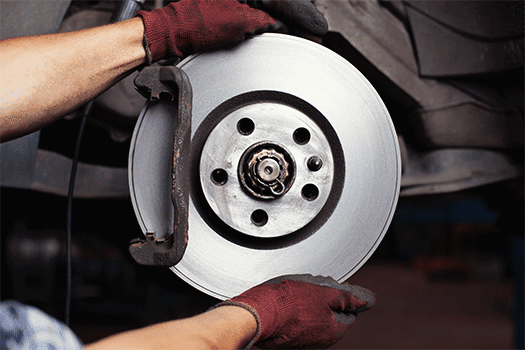
Anti-lock Brake Service in Sydney
Anti-lock Brake Service Sydney – ABS Diagnostics & Repair at Hot Tyres
Your ABS system is a critical safety feature that prevents wheel lock-up during hard braking. Hot Tyres Riverwood provides expert ABS diagnostics, sensor repair, and system servicing to keep this vital safety system functioning correctly when you need it most.
What Is an Anti-lock Braking System?
An anti-lock braking system (ABS) prevents wheels from locking up during sudden or hard braking. By maintaining wheel rotation, ABS allows drivers to steer while braking – crucial for avoiding obstacles in emergency situations.
Without ABS, locked wheels cause the vehicle to skid uncontrollably. ABS technology has been mandatory on new vehicles in Australia since 2003 because of its proven safety benefits.
Modern vehicles integrate ABS with other safety systems including traction control and electronic stability control. A fault in the ABS can affect these related systems, making proper servicing essential.
How ABS Works
The ABS system works automatically without driver intervention:
- Wheel speed sensors monitor each wheel’s rotation speed
- Control module compares wheel speeds during braking
- Lock detection: When a wheel is about to lock, the module detects the speed difference
- Pressure modulation: The hydraulic unit rapidly pulses brake pressure to the affected wheel
- Result: Wheel continues rotating, maintaining steering control
This cycle happens many times per second – you’ll feel it as a pulsing sensation in the brake pedal during ABS activation. This is normal and indicates the system is working.
Key ABS Components
Understanding the main components helps you recognise potential issues:
Wheel Speed Sensors
Located at each wheel, these sensors monitor rotation speed and send data to the control module. Dirty, damaged, or failing sensors are the most common cause of ABS problems.
ABS Control Module
The electronic brain that processes sensor data and controls brake pressure modulation. Receives fault codes that technicians can read with diagnostic tools.
Hydraulic Control Unit
Contains valves and a pump that rapidly adjust brake pressure to individual wheels during ABS activation.
Wiring and Connectors
Connects sensors to the control module. Exposed to road conditions and can become damaged or corroded.
Signs Your ABS Needs Service
Watch for these warning signs:
- ABS warning light: Indicates a system fault – don’t ignore it
- Wheels locking during braking: ABS may be disabled
- Brake pedal pulsing at low speeds: May indicate sensor issues
- Unusual noises from brakes: Clicking or grinding during ABS activation
- Longer stopping distances: Especially on wet or slippery surfaces
- Traction control warning: Often shares components with ABS
Important: When the ABS light is on, normal brakes typically still work, but the ABS safety feature is disabled. This significantly increases accident risk during emergency braking.
Our Diagnostic Process
ABS diagnostics require specialised tools and knowledge. At Hot Tyres:
- Fault code scan: Read stored diagnostic codes from the ABS module
- Live data analysis: Monitor sensor readings in real-time
- Visual inspection: Check sensors, wiring, and connectors for damage
- Component testing: Verify individual component function
- System test: Confirm proper ABS operation after repairs
Accurate diagnosis prevents unnecessary parts replacement and ensures the actual fault is addressed.
Common ABS Problems
Issues we frequently encounter:
- Dirty wheel speed sensors: Road grime and metal particles affect readings
- Damaged sensor cables: Exposed to road debris and corrosion
- Worn sensor tone rings: The toothed ring that sensors read can become damaged
- Contaminated brake fluid: Affects hydraulic control unit performance
- Corroded connectors: Poor electrical connections cause intermittent faults
- Control module issues: Less common but can occur in older vehicles
Many ABS problems can be resolved without expensive module replacement. Proper diagnosis identifies the most cost-effective repair.
What ABS Servicing Includes
A complete ABS service at Hot Tyres covers:
- Full diagnostic scan: Read and interpret all fault codes
- Sensor cleaning or replacement: As needed based on condition
- Wiring inspection: Check for damage, corrosion, or poor connections
- Brake fluid check: Contaminated fluid affects ABS performance
- System calibration: If required after repairs or sensor replacement
- Function test: Verify proper ABS operation before completion
We explain our findings clearly and provide options before proceeding with repairs.
Why Choose Hot Tyres
Hot Tyres has served Sydney drivers from our Riverwood workshop for years. For ABS service, we offer:
- Diagnostic expertise: Experienced technicians who understand modern braking systems
- Professional equipment: Advanced scan tools that read manufacturer-level codes
- Honest assessments: We identify the actual problem, not just replace parts
- Clear communication: We explain faults and repair options in plain language
- Brake system knowledge: ABS works with traditional brakes – we service both
Safety First
ABS is a safety-critical system. We approach every ABS service with the thoroughness and care it deserves. Your safety on the road depends on proper braking system function.
Frequently Asked Questions
Is it safe to drive with the ABS light on?
Normal brakes typically still work, but the ABS feature is disabled. This means wheels can lock during hard braking, increasing skid risk especially on wet roads. Have the system checked promptly – don’t wait for an emergency to discover your ABS isn’t working.
What causes the ABS warning light to come on?
Common causes include faulty wheel speed sensors, damaged wiring, low brake fluid, control module issues, or problems with the tone ring. The light indicates the system has detected a fault and stored a diagnostic code. Scanning reveals the specific problem.
How do I know if my ABS is working?
The ABS light should illuminate briefly when you start the car, then turn off. If it stays on, there’s a fault. You can also test ABS activation by braking firmly on a loose surface (safely) – you should feel pedal pulsation. However, don’t test on public roads.
Can dirty sensors cause ABS problems?
Yes. Wheel speed sensors are exposed to road grime, brake dust, and metal particles from brake components. Contamination can cause incorrect readings that trigger warning lights. Cleaning often resolves the issue without needing sensor replacement.
How often should ABS be serviced?
There’s no fixed interval – ABS should be checked when warning signs appear or during routine brake inspections. Brake fluid replacement every 2 years supports ABS function. If the ABS light comes on, have it diagnosed promptly.
Can ABS faults affect traction control?
Yes. Traction control and electronic stability control share wheel speed sensors and the ABS control module. An ABS fault can disable these related systems. You may see multiple warning lights when the ABS detects a problem.
Is ABS repair expensive?
Costs vary depending on the issue. Sensor cleaning or replacement is relatively affordable. Wiring repairs are moderate. Control module replacement is more expensive but less common. Proper diagnosis prevents unnecessary parts replacement and keeps costs down.
Does ABS shorten stopping distance?
ABS can reduce stopping distance on wet or slippery surfaces by preventing wheel lock. On dry pavement, stopping distance is similar. The main benefit is maintaining steering control during hard braking – crucial for avoiding obstacles.
Why does my brake pedal pulse during ABS activation?
The pulsing sensation is the ABS hydraulic unit rapidly cycling brake pressure. This is completely normal and indicates the system is working. Don’t release the pedal – maintain firm pressure and let the ABS do its job while you steer.
Does brake fluid affect ABS performance?
Yes. The ABS hydraulic unit requires clean, uncontaminated brake fluid to function properly. Old or moisture-laden fluid can affect pressure modulation and damage internal components. Regular brake fluid replacement supports ABS reliability.
Book Your ABS Check Today
Don’t ignore ABS warning lights. Trust Hot Tyres for professional diagnostics and repair to keep this critical safety system protecting you.
Call: (02) 9533 6138
Visit: 74 Belmore Rd North, Riverwood NSW 2210
Steering control when it matters most – that’s what ABS provides. Keep it working.