
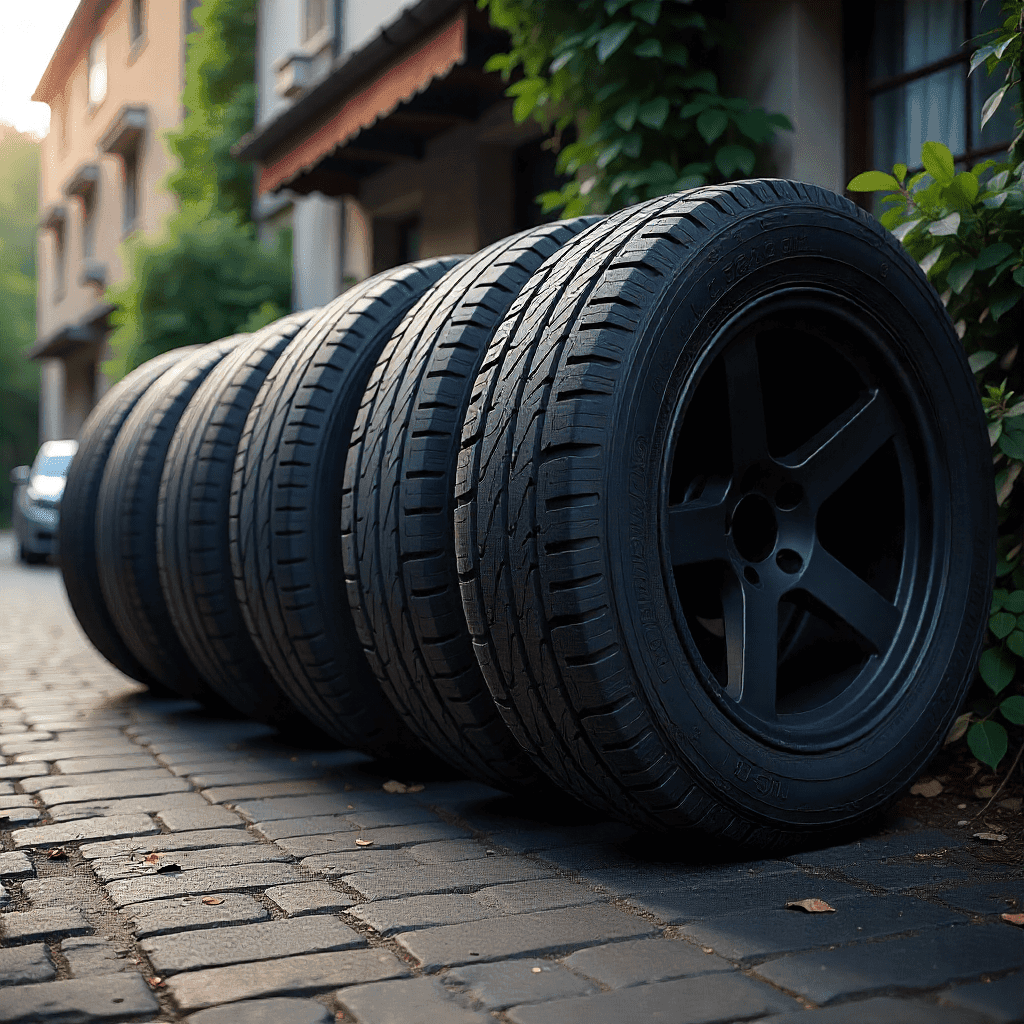
AT Tyres vs HT Tyres
Table of Contents
- AT Tyres vs HT Tyres: The Complete Guide by Hot Tyres Sydney
- 1. Understanding the Basics: What Are AT and HT Tyres?
- 2. Tread Design: Where Function Meets Performance
- 3. Durability and Lifespan
- 4. Comfort and Noise Levels
- 5. Traction and Grip in Different Conditions
- 6. Wet Weather Performance
- 7. Fuel Efficiency
- 8. Vehicle Type and Compatibility
- 9. Cost Comparison
- 10. Tyre Maintenance Tips for Both Types
- 11. AT vs HT Tyres in Sydney: Which Should You Choose?
- 12. Common Brands Offering AT & HT Tyres
- 13. Signs You Need New Tyres
- 14. Why Choose Hot Tyres Sydney
- 15. The Bottom Line: AT vs HT Tyres
- 16. Final Thoughts
- Contact Us:
- FAQs for “AT Tyres vs HT Tyres – Hot Tyres Sydney”
- Contact Us:
AT Tyres vs HT Tyres
Table of Contents
AT Tyres vs HT Tyres: The Complete Guide by Hot Tyres Sydney
AT Tyres vs HT Tyres: When it comes to choosing the right tyres for your vehicle, one of the most common questions drivers face is the difference between AT (All-Terrain) and HT (Highway-Terrain) tyres. Whether you’re an off-road adventurer, a daily commuter, or someone who needs a bit of both, understanding how these tyres differ can help you make the best decision for safety, performance, and value.
At Hot Tyres Sydney, we’ve been helping drivers find the perfect tyres for every condition for years. From rugged off-road trucks to city SUVs, we know what works best on Australian roads and terrain. This guide breaks down everything you need to know about AT vs HT tyres, including their construction, benefits, drawbacks, and how to choose the right one for your lifestyle.
1. Understanding the Basics: What Are AT and HT Tyres?
Before diving into performance and handling differences, let’s start with what each tyre type actually means.
AT (All-Terrain) Tyres
All-Terrain tyres are designed to perform both on the road and off it. They combine the comfort and quietness of highway tyres with the grip and toughness needed for unpaved surfaces such as gravel, dirt, and light mud. AT tyres are perfect for drivers who regularly leave the city and explore rural or rugged areas.
Key Features:
- Aggressive tread pattern with deep grooves
- Reinforced sidewalls for extra protection
- Balanced grip on bitumen and loose surfaces
- Designed for mixed driving conditions
HT (Highway-Terrain) Tyres
Highway-Terrain tyres, as the name suggests, are built for on-road performance. They’re optimized for highways and city streets, offering a smooth, quiet, and fuel-efficient drive. HT tyres are ideal for drivers who spend most of their time commuting in urban and suburban environments.
Key Features:
- Smoother tread design for quieter rides
- Enhanced handling and comfort
- Optimized for dry and wet bitumen
- Long-lasting wear and fuel efficiency
2. Tread Design: Where Function Meets Performance
The tread design is the most visible and crucial difference between AT and HT tyres.
AT Tyre Treads
AT tyres have larger tread blocks with wider grooves and biting edges. This pattern allows for better self-cleaning (mud and debris are ejected as the tyre rotates) and increased traction on uneven or loose surfaces.
However, this aggressive tread can cause more noise and slightly less comfort on highways.
Advantages:
- Superior off-road traction
- Better water evacuation and reduced hydroplaning
- Strong grip on gravel, dirt, and light mud
Disadvantages:
- Slightly louder on paved roads
- May wear faster on highways
HT Tyre Treads
HT tyres feature a tighter, more continuous tread design. They offer excellent road contact, reduced rolling resistance, and improved ride comfort.
Advantages:
- Quiet and smooth ride
- Longer tread life on paved roads
- Better fuel economy
Disadvantages:
- Limited off-road grip
- Prone to cuts or punctures on rough terrain
3. Durability and Lifespan
Durability is another key factor in the AT vs HT tyre debate.
- AT Tyres: Built tougher with reinforced sidewalls, AT tyres resist punctures and sidewall damage better. However, their softer rubber compound can wear faster when driven primarily on highways.
- HT Tyres: Made with a harder compound, HT tyres typically last longer under urban and highway conditions.
Verdict:
If your driving is 70% or more on-road, HT tyres will last longer. For mixed driving or frequent rural travel, AT tyres are the better investment.
4. Comfort and Noise Levels
Comfort matters—especially for long drives across Sydney’s busy roads.
- HT Tyres: Offer exceptional comfort, with minimal vibration and very low noise. Their streamlined tread design makes them perfect for highway cruising.
- AT Tyres: While modern AT tyres are quieter than older models, they still produce more noise due to deeper tread blocks.
Verdict:
If comfort and cabin quietness are your top priorities, HT tyres take the win.
5. Traction and Grip in Different Conditions
On-Road (Bitumen):
HT tyres outperform AT tyres in terms of grip, handling, and braking distances on dry and wet roads. Their design focuses on maintaining maximum road contact.
Off-Road (Gravel, Dirt, Mud):
AT tyres easily outperform HT tyres. Their tread design and tougher build provide much better grip and puncture resistance.
Verdict:
- City & highway drivers → HT tyres
- Mixed or rural drivers → AT tyres
6. Wet Weather Performance
Sydney’s weather can change quickly, making wet performance essential.
- AT Tyres: Wider grooves help disperse water and prevent hydroplaning, making them surprisingly competent in the rain.
- HT Tyres: Offer predictable braking and handling on wet bitumen but are less effective on wet dirt or gravel.
Verdict:
For highways, HT tyres are better in rain; for mixed terrain, AT tyres handle puddles and mud better.
7. Fuel Efficiency
Rolling resistance affects your fuel economy directly.
- HT Tyres: Lower rolling resistance = better fuel efficiency.
- AT Tyres: Their rugged tread design adds resistance, consuming more fuel.
Verdict:
HT tyres are the more economical choice for city drivers.
8. Vehicle Type and Compatibility
- AT Tyres: Commonly fitted on 4x4s, SUVs, and utes used for both city and country travel.
- HT Tyres: Common on crossovers, SUVs, and sedans focused on comfort and road performance.
Example:
If you drive a Toyota Hilux or Ford Ranger and often go camping or towing, AT tyres are ideal.
For vehicles like a Mazda CX-5 or Toyota RAV4 mainly used on highways, HT tyres are perfect.
9. Cost Comparison
Generally:
- HT tyres are more affordable upfront.
- AT tyres can be pricier due to their complex construction and off-road capability.
However, tyre life, fuel consumption, and driving habits all affect long-term cost. Sometimes, an AT tyre may offer better long-term value for those who occasionally drive off-road.
10. Tyre Maintenance Tips for Both Types
To get the best performance and longevity from your tyres:
- Rotate tyres every 8,000–10,000 km.
- Keep tyre pressure at manufacturer-recommended levels.
- Get wheel alignment checked regularly.
- Balance tyres to prevent uneven wear.
- Inspect for cracks, cuts, and punctures frequently.
11. AT vs HT Tyres in Sydney: Which Should You Choose?
Sydney’s road network is a mix of smooth highways, suburban streets, and rural outskirts. For most Sydney drivers:
- HT tyres offer the comfort, quietness, and efficiency needed for everyday driving.
- AT tyres suit drivers who love weekend getaways, off-road adventures, or live in semi-rural areas.
At Hot Tyres, we recommend matching tyres to your driving habits rather than just your vehicle type. Our team can inspect your tyres, discuss your travel patterns, and recommend the perfect set.
12. Common Brands Offering AT & HT Tyres
At Hot Tyres Sydney, we stock leading global brands known for reliability, including:
- Bridgestone
- Michelin
- BFGoodrich
- Falken
- Toyo
- Kumho
- Pirelli
- Continental
Each brand offers AT and HT variations with different tread life, performance, and price points.
13. Signs You Need New Tyres
No matter what type you choose, regular checks are vital. Replace tyres if:
- Tread depth is below 1.6 mm.
- You notice uneven wear.
- Cracks, bulges, or punctures appear.
- Vibration increases while driving.
14. Why Choose Hot Tyres Sydney
Hot Tyres is a trusted name in the Sydney region, known for honest advice, top-quality tyres, and exceptional service. Here’s why customers keep coming back:
- Experienced technicians
- Competitive pricing
- Wide range of AT, HT, and performance tyres
- Professional fitting, balancing, and alignment services
- Honest guidance—no upselling, just what’s best for you
Located conveniently at 74 Belmore Rd North, Riverwood NSW 2210, we serve customers across Punchbowl, Bankstown, Hurstville, Padstow, and beyond.
15. The Bottom Line: AT vs HT Tyres
Here’s a quick summary:
| Feature | AT Tyres | HT Tyres |
|---|---|---|
| Terrain | On & Off-road | Highway & Urban |
| Tread Pattern | Aggressive, deeper | Smooth, tight |
| Comfort | Moderate | Excellent |
| Noise | Slightly louder | Quiet |
| Fuel Efficiency | Lower | Higher |
| Durability | Strong off-road | Long on-road |
| Price | Slightly higher | Lower |
| Ideal Use | Mixed driving | City & highways |
In short:
If your weekends include dirt trails, gravel, or camping—AT tyres are for you.
If your drives are mainly highways and suburbs—HT tyres are the smarter, quieter, and more economical option.
16. Final Thoughts
Choosing between AT and HT tyres isn’t just about where you drive—it’s about how you drive.
At Hot Tyres Sydney, we understand the diverse needs of our customers. Whether you’re upgrading for performance, safety, or style, our team will help you make the right decision.
Visit us today or call (02) 9533 6138 to find out which tyre type fits your lifestyle best. Your safety, comfort, and confidence on the road are our top priorities.
Contact Us:
74 Belmore Rd North, Riverwood NSW 2210
(+61) – (02) 9533 6138
hottyres74@gmail.com
Sydney, NSW, Australia
FAQs for “AT Tyres vs HT Tyres – Hot Tyres Sydney”
1. What is the difference between AT and HT tyres?
AT (All-Terrain) tyres are built for both on-road and off-road use, while HT (Highway-Terrain) tyres are designed mainly for paved roads and highways.
2. Which tyre type is better for daily driving in Sydney?
HT tyres are better for daily driving in Sydney because they offer a smoother, quieter ride and better fuel efficiency on city roads.
3. Are AT tyres good for off-road driving?
Yes, AT tyres are specifically designed to handle gravel, dirt, mud, and light off-road conditions while still performing well on highways.
4. Are HT tyres suitable for off-road use?
HT tyres can handle light gravel or dirt roads occasionally, but they are not designed for serious off-road driving.
5. Which tyres last longer, AT or HT?
HT tyres generally last longer on highways, while AT tyres may wear faster on paved roads due to their softer, deeper tread.
6. Are AT tyres noisier than HT tyres?
Yes, AT tyres tend to produce more noise because of their aggressive tread design, whereas HT tyres run quieter and smoother.
7. Are AT tyres more expensive than HT tyres?
In most cases, AT tyres are slightly more expensive due to their tougher construction and off-road capabilities.
8. Do AT tyres affect fuel economy?
Yes, AT tyres can slightly reduce fuel efficiency because of their higher rolling resistance compared to HT tyres.
9. Which tyres perform better in wet weather?
HT tyres perform better on wet highways, while AT tyres handle muddy or waterlogged off-road surfaces more effectively.
10. Can I use AT tyres on my SUV in Sydney?
Absolutely! Many SUV owners in Sydney choose AT tyres for weekend getaways or mixed driving conditions.
11. Are HT tyres good for long highway trips?
Yes, HT tyres are ideal for long-distance travel due to their comfort, quietness, and durability on sealed roads.
12. Do AT tyres wear evenly on highways?
They can, but frequent highway driving may cause faster wear in AT tyres. Regular rotation and alignment help maintain even wear.
13. Which tyre provides better handling?
HT tyres provide superior handling and steering precision on paved surfaces, while AT tyres offer more grip off-road.
14. What kind of vehicles use AT tyres?
AT tyres are commonly fitted on 4WDs, utes, and SUVs used for both urban and off-road driving.
15. What kind of vehicles use HT tyres?
HT tyres are popular on SUVs, crossovers, and sedans mainly driven on highways or city streets.
16. Are AT tyres good for towing?
Yes, AT tyres provide better traction and stability for towing trailers or caravans on mixed terrain.
17. Are HT tyres better for fuel efficiency?
Yes, HT tyres are optimized for reduced rolling resistance, resulting in improved fuel economy.
18. Can I mix AT and HT tyres on my car?
It’s not recommended. Mixing different tyre types can cause uneven wear and affect handling and braking performance.
19. Do AT tyres require more maintenance?
Not necessarily, but regular checks for tread wear, pressure, and balance are important due to their rugged design.
20. Which tyres are more comfortable to drive on?
HT tyres provide a more comfortable and quiet driving experience on highways.
21. Do AT tyres handle well in snow?
Some AT tyres are all-season rated and perform decently in light snow, but for heavy snow, winter tyres are best.
22. Are HT tyres durable on gravel roads?
They can manage short gravel stretches but may wear quickly or get damaged on rough, rocky terrain.
23. Which tyres are best for Sydney weather?
HT tyres are ideal for Sydney’s mostly dry, urban roads, while AT tyres suit those who travel to rural or coastal areas.
24. How often should I replace AT tyres?
Typically every 50,000–80,000 km, depending on driving habits and maintenance.
25. How often should I replace HT tyres?
HT tyres usually last 70,000–100,000 km under normal highway conditions.
26. Are AT tyres suitable for city driving?
Yes, but they may produce slightly more road noise and use more fuel than HT tyres.
27. Can AT tyres handle heavy rain in Sydney?
Yes, their deep grooves disperse water effectively, helping reduce the risk of hydroplaning.
28. Are HT tyres good for wet conditions?
Yes, HT tyres perform very well on wet highways and offer reliable braking and handling.
29. Are AT tyres worth the money?
If you drive both on and off-road, AT tyres are a great investment due to their versatility and strength.
30. Are HT tyres suitable for SUVs?
Definitely! HT tyres are commonly fitted to SUVs that primarily drive on highways and city roads.
31. Do AT tyres make your vehicle look tougher?
Yes, AT tyres often have a bolder tread and sidewall design, giving vehicles a more rugged appearance.
32. Do HT tyres improve fuel mileage?
Yes, thanks to their lower rolling resistance, HT tyres help improve your car’s fuel economy.
33. Which tyres are better for camping trips?
AT tyres are ideal for camping and off-road trips because they can handle dirt, sand, and gravel roads with ease.
34. Can I drive long distances on AT tyres?
Yes, AT tyres are suitable for long drives, but you may experience more noise and slightly higher fuel consumption.
35. Do HT tyres need special maintenance?
No, just regular tyre pressure checks, rotation, and balancing like any standard tyre.
36. Are AT tyres good for Sydney’s outskirts?
Yes, AT tyres are perfect for drivers who live near rural areas or often explore regions outside Sydney.
37. Which tyres offer better braking?
HT tyres offer better braking on paved surfaces, while AT tyres excel on dirt and loose terrain.
38. Can I switch from HT to AT tyres anytime?
Yes, as long as the size matches your vehicle specifications. A tyre expert like Hot Tyres can help you choose correctly.
39. How can I tell if I have AT or HT tyres?
You can check the sidewall marking—AT (All-Terrain) or HT (Highway-Terrain)—or look at the tread pattern and depth.
40. Where can I buy AT and HT tyres in Sydney?
You can visit Hot Tyres Sydney, located at 74 Belmore Rd North, Riverwood NSW 2210, for the best AT and HT tyre options, expert advice, and professional fitting.
Contact Us:
74 Belmore Rd North, Riverwood NSW 2210
(+61) – (02) 9533 6138
hottyres74@gmail.com
Sydney, NSW, Australia