
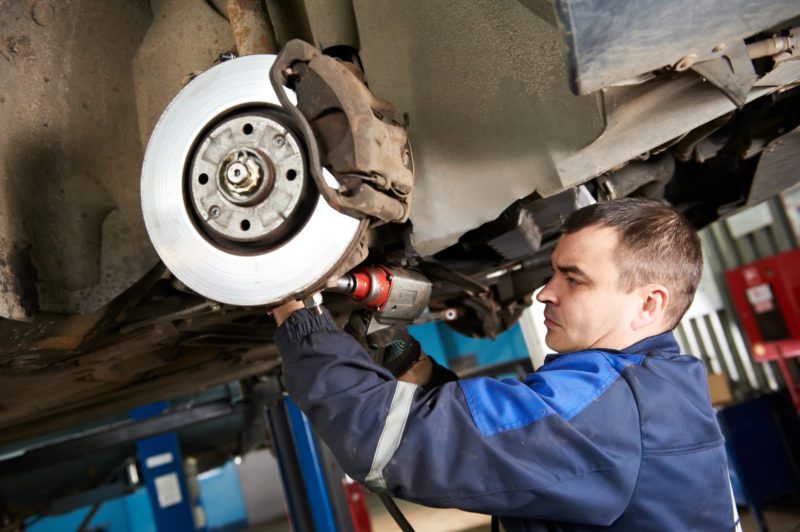
Brake Fluid Replacement in Sydney
Brake Fluid Replacement Sydney – Professional Service at Hot Tyres
Don’t overlook your brake fluid. This critical hydraulic fluid degrades over time, absorbing moisture that compromises braking performance. Hot Tyres Riverwood provides professional brake fluid replacement using manufacturer-approved fluids and proper bleeding techniques for safe, responsive braking.
What Is Brake Fluid?
Brake fluid is a hydraulic fluid that transfers force from your brake pedal to the braking components at each wheel. When you press the pedal, brake fluid transmits pressure through the brake lines, activating calipers or wheel cylinders that slow your vehicle.
Without clean, high-quality brake fluid, your braking system cannot perform as intended. Modern vehicles rely on brake fluid not only for basic braking but also for advanced safety systems like ABS, electronic stability control, and traction control.
These systems require precise hydraulic pressure and fast response times, making fluid quality critical for vehicle safety.
Why Brake Fluid Needs Replacing
Brake fluid is hygroscopic – it absorbs moisture from the air. Even in sealed systems, moisture enters through rubber hoses, seals, and microscopic openings over time.
Problems Caused by Moisture Contamination
- Lower boiling point: Contaminated fluid boils at lower temperatures, creating vapour pockets that reduce braking effectiveness (brake fade)
- Internal corrosion: Moisture causes rust inside brake lines, master cylinders, and ABS modules
- Spongy pedal feel: Air and vapour in the system reduce hydraulic pressure
- Component damage: Degraded fluid loses its protective additives, accelerating wear
Sydney’s humid climate accelerates moisture absorption. Regular fluid replacement prevents these issues and protects your entire braking system.
Signs You Need a Fluid Change
Watch for these warning signs:
- Soft or spongy brake pedal: Indicates air or moisture in the system
- Longer stopping distances: Reduced hydraulic efficiency
- Brake warning light: May indicate low fluid or system issues
- Dark or cloudy fluid: Fresh fluid is clear to amber; dark fluid is contaminated
- Brake fade on hills: Fluid may be boiling under sustained braking
Even without visible symptoms, brake fluid degrades gradually. Regular replacement based on time intervals is recommended rather than waiting for problems to appear.
Types of Brake Fluid
Different vehicles require specific brake fluid types:
| Type | Dry Boiling Point | Common Use |
|---|---|---|
| DOT 3 | 205°C | Older vehicles, basic systems |
| DOT 4 | 230°C | Most modern vehicles, ABS systems |
| DOT 5.1 | 260°C | Performance vehicles, heavy-duty use |
Note: DOT 5 (silicone-based) is different from DOT 5.1 and is NOT compatible with most vehicles. Using incorrect fluid can damage seals and compromise safety.
At Hot Tyres, we always use the manufacturer-specified fluid type for your vehicle.
Our Replacement Process
Proper brake fluid replacement requires more than just topping up. At Hot Tyres, we perform a complete fluid exchange:
- System inspection: Check fluid condition, hoses, seals, and master cylinder
- Complete extraction: Remove old fluid from the entire system using specialised equipment
- Fresh fluid introduction: Add manufacturer-approved brake fluid
- System bleeding: Remove all air using pressure or vacuum bleeding techniques
- Pedal test: Verify firm, consistent pedal feel
- Final inspection: Confirm proper fluid levels and no leaks
This thorough process ensures old contaminated fluid is completely replaced, not just diluted.
How Often to Replace Brake Fluid
Most manufacturers recommend brake fluid replacement every 2 years, regardless of mileage. However, several factors may require more frequent service:
- Heavy traffic driving: Frequent braking generates more heat
- Coastal areas: Higher humidity accelerates moisture absorption
- Hilly terrain: Extended braking on descents stresses the fluid
- Towing: Additional weight increases brake system demands
- Performance driving: Track use requires more frequent replacement
We assess fluid condition during service rather than relying on assumptions. Moisture testing helps determine actual fluid condition.
Benefits of Fresh Brake Fluid
Regular brake fluid replacement provides significant benefits:
- Consistent braking: Reliable stopping power in all conditions
- Firm pedal feel: Responsive, predictable brake response
- Component protection: Fresh fluid protects against internal corrosion
- ABS reliability: Clean fluid ensures proper ABS function
- Extended system life: Prevents expensive repairs to calipers, lines, and master cylinder
- Safety compliance: Proper fluid condition for inspections
Brake fluid replacement is one of the most cost-effective safety services available. The cost is minimal compared to replacing corroded brake components or ABS modules.
Why Choose Hot Tyres
Hot Tyres has served Sydney drivers from our Riverwood workshop for years. Here’s why customers trust us:
- Correct fluids: We use manufacturer-specified brake fluid types
- Complete replacement: Full system flush, not just a top-up
- Proper bleeding: Professional techniques remove all air from the system
- System inspection: We check for leaks, worn hoses, and other issues
- Honest advice: We’ll tell you when replacement is actually needed
Our Commitment
Brakes are safety-critical. We approach every brake fluid replacement with the care and attention your safety deserves. If we find additional issues during service, we’ll explain them clearly and let you decide how to proceed.
Frequently Asked Questions
How often should brake fluid be replaced?
Most manufacturers recommend replacement every 2 years regardless of mileage. Heavy traffic driving, humid climates, and performance use may require more frequent service. We can test your fluid’s moisture content to determine actual condition.
What happens if brake fluid isn’t replaced?
Old brake fluid absorbs moisture, lowering its boiling point. This can cause brake fade during heavy braking, spongy pedal feel, and internal corrosion. Neglected fluid leads to expensive repairs to calipers, lines, master cylinders, and ABS modules.
How do I know if my brake fluid needs changing?
Signs include a soft or spongy brake pedal, longer stopping distances, brake warning lights, or dark/cloudy fluid. Fresh fluid is clear to light amber; contaminated fluid appears dark. However, degradation isn’t always visible – regular replacement on schedule is best.
Can I just top up the brake fluid?
Topping up adds fresh fluid but doesn’t remove contaminated fluid from the system. The old moisture-laden fluid remains in the lines and components. Full replacement with proper bleeding is necessary to remove all old fluid and protect the system.
What type of brake fluid does my car need?
Check your owner’s manual or reservoir cap for the specified type (usually DOT 3, DOT 4, or DOT 5.1). Using incorrect fluid can damage seals and compromise braking. At Hot Tyres, we always verify and use the correct specification for your vehicle.
How long does brake fluid replacement take?
A complete brake fluid replacement typically takes 30-60 minutes. This includes draining old fluid, refilling with fresh fluid, and properly bleeding the system to remove all air. We test pedal feel before returning your vehicle.
Is brake fluid replacement expensive?
Brake fluid replacement is relatively affordable – far less than replacing corroded brake components or ABS modules. It’s one of the most cost-effective preventative services for maintaining safe braking performance.
Can old brake fluid cause brake fade?
Yes. Moisture-contaminated brake fluid has a lower boiling point. During heavy or sustained braking (like descending hills), the fluid can boil, creating vapour bubbles that compress instead of transmitting hydraulic pressure. This causes a soft pedal and reduced braking.
Is brake fluid replacement important for ABS vehicles?
Especially so. ABS modules contain internal valves and pumps that require clean fluid to function properly. Contaminated fluid can cause corrosion inside these expensive components, leading to ABS faults, warning lights, and costly repairs.
Can I replace brake fluid myself?
While possible, DIY replacement risks introducing air into the system or using incorrect fluid. Proper bleeding requires specific techniques and sometimes specialised equipment. Professional service ensures complete fluid exchange and safe results.
Book Your Brake Fluid Service
Don’t compromise on braking safety. Trust Hot Tyres for professional brake fluid replacement using the correct fluids and proper techniques.
Call: (02) 9533 6138
Visit: 74 Belmore Rd North, Riverwood NSW 2210
Safe braking starts with quality fluid – book your service today.