
Brake Rotor Machining Sydney – Restore Smooth Braking
Table of Contents
Table of Contents
Professional Rotor Machining
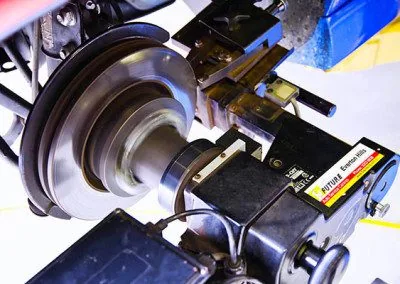
Brake rotor machining restores smooth, vibration-free braking without the cost of full rotor replacement. At Hot Tyres, we resurface rotors that are still within safe thickness limits, extending their life while restoring optimal braking performance.
Sydney’s stop-start traffic, hills, and coastal humidity put significant stress on brake rotors. Over time, this causes uneven surfaces, vibration, and reduced braking efficiency. Professional machining addresses these issues precisely and cost-effectively.
What Is Rotor Machining?
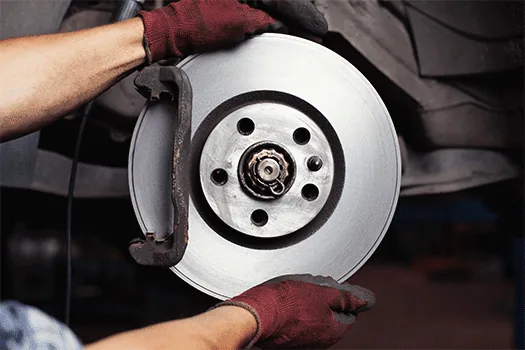
Rotor machining (also called resurfacing or skimming) removes a thin layer of material from the brake rotor surface to eliminate:
- Grooves – Scored lines from worn brake pads
- Glazing – Hard, shiny spots from overheating
- Thickness variation – Uneven wear causing vibration
- Surface rust – Corrosion from moisture exposure
- Minor warping – Heat-related distortion
The result is a perfectly flat, smooth surface that allows even brake pad contact and consistent stopping power.
When Machining Is Needed
Common signs your rotors need attention:
- Steering wheel vibration – Felt during braking, indicates uneven rotor thickness
- Brake pedal pulsation – Rhythmic pulsing when braking
- Squealing or scraping – Noise from uneven rotor surface
- Inconsistent braking – Vehicle pulls or feels uneven when stopping
- Visible grooves – Scored lines on the rotor face
- Rust rings – Corrosion buildup on the friction surface
Early machining prevents these issues from worsening and avoids more expensive rotor replacement.
Machining vs Replacement
When Machining Works
- Rotor thickness is above minimum specification
- Surface wear is mild to moderate
- No cracks or severe damage
- Light warping within correctable range
When Replacement Is Needed
- Rotor is below minimum thickness
- Severe warping or cracks present
- Deep grooves that can’t be machined out
- Heat damage (blue discolouration)
We measure every rotor before machining to ensure it’s safe and effective. If replacement is needed, we’ll tell you honestly.
The Machining Process
- Remove wheels and brake components to access rotors
- Inspect and measure rotor thickness, runout, and condition
- Mount on brake lathe for precision machining
- Machine both sides removing controlled amount of material
- Re-measure to confirm safe thickness
- Reassemble braking components
- Test brake operation
The entire process typically takes 1-2 hours depending on the vehicle and rotor condition.
Key Benefits
Smooth Braking
Eliminates vibration and pulsation for comfortable, controlled stopping.
Extended Pad Life
Smooth rotors allow brake pads to wear evenly, lasting longer.
Cost Savings
Machining costs less than replacement, especially for quality or performance rotors.
Quieter Operation
Reduces or eliminates brake noise caused by uneven surfaces.
Environmental Responsibility
Extends rotor life and reduces manufacturing waste by reusing existing components. This aligns with environmentally responsible practices.
Why Choose Hot Tyres
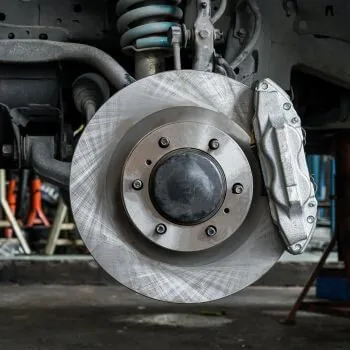
- Precision equipment – Modern brake lathe for accurate machining
- Proper measurement – We check thickness before and after
- Honest assessment – We only machine when it’s safe and effective
- Experienced technicians – Quality workmanship every time
- Complete service – We often recommend new pads with machined rotors
- Competitive pricing – Fair rates for quality work
Book Your Service
Stop the vibration and restore smooth braking. Book your rotor machining service today.
Contact Us
74 Belmore Rd North, Riverwood NSW 2210
(+61) – (02) 9533 6138
hottyres74@gmail.com
Sydney, NSW, Australia
Frequently Asked Questions
What is brake rotor machining?
Rotor machining removes a thin layer of material from the brake disc surface to eliminate grooves, glazing, and uneven wear. It restores a smooth, flat surface for optimal brake pad contact.
When is machining needed?
When you feel vibration or pulsation during braking, hear unusual noises, or see visible grooves or rust on the rotor surface.
Can all rotors be machined?
No. Rotors must be above minimum thickness specification. Cracked, severely warped, or too-thin rotors must be replaced.
Is machining cheaper than replacement?
Yes, generally. Machining costs less than new rotors while restoring performance. However, replacement is necessary when rotors are beyond safe limits.
Should I replace pads when rotors are machined?
Usually yes. New pads ensure proper contact with the fresh rotor surface and prevent immediate wear issues.
How long does machining take?
Typically 1-2 hours for a pair of rotors, depending on vehicle and condition.
Does machining fix vibration?
Yes, if vibration is caused by uneven rotor thickness. Machining removes the variation and restores smooth braking.
Does machining fix brake noise?
Often yes. Noise caused by grooved or uneven rotors is eliminated by resurfacing.
How do I know if rotors need machining or replacement?
We measure rotor thickness and inspect condition. If above minimum spec with no cracks, machining is suitable. Below spec or damaged means replacement.
Can warped rotors be machined?
Light warping can often be corrected. Severe warping may require replacement if it can’t be machined within safe thickness limits.
Does Sydney driving affect rotors?
Yes. Stop-start traffic, hills, and coastal humidity all stress rotors and accelerate wear. Regular inspection catches issues early.
Why choose Hot Tyres?
We use precision equipment, measure properly, and give honest assessments. We only machine when it’s safe and effective.
Contact Us
74 Belmore Rd North, Riverwood NSW 2210
(+61) – (02) 9533 6138
hottyres74@gmail.com
Sydney, NSW, Australia