
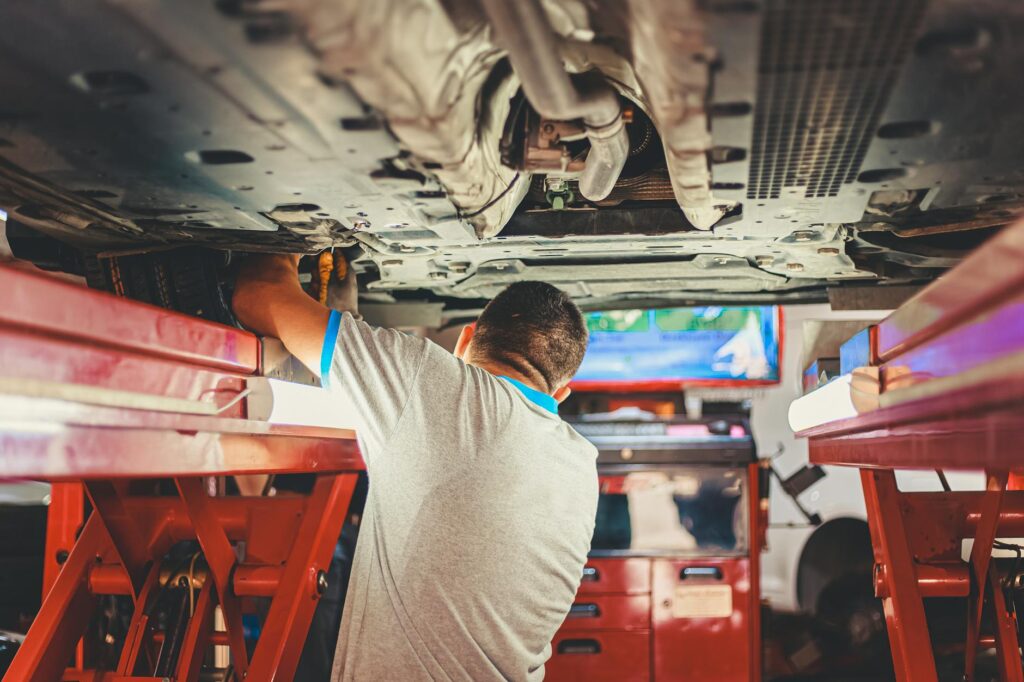
You’ve just bought a used car and the first service bill lands on the kitchen table. And it’s nothing like what the seller suggested. If you’d known which cheap to service used cars actually exist before you signed, that bill might look very different right now.
Key Takeaways
| Point | Details |
|---|---|
| Tyre costs are a top running expense | For most used cars, tyres represent 15–25% of annual running costs. Choosing the right size and brand noticeably cuts your bill each year. |
| Sydney roads accelerate tyre wear | Canterbury Road, Parramatta Road, and the M5 corridor create above-average wear on inner-south and western suburbs routes: a fact most buyers don’t factor in. |
| Japanese makes dominate the low-cost tier | Toyota, Mazda, and Honda consistently rank as the cheapest used cars to service in Australia due to parts availability and simple engine designs. |
| Wheel alignment is the hidden cost killer | Misalignment from Sydney’s potholed roads can consume a tyre set 30–40% faster. An alignment check costs far less than replacing tyres early. |
Why Running Costs Matter More Than the Sticker Price
The purchase price of a used car tells you almost nothing about what you’ll actually spend. According to the Australian Automobile Association’s Transport Affordability Index 2024, the average Australian household spends a large sum each year running a single vehicle. For used car buyers in Sydney, servicing, registration, and tyre replacement often push that spend higher than for new car owners. Because older vehicles need more attention, more often.
In this guide, you’ll discover:
- Which makes and models are genuinely cheap to service used cars: backed by Australian parts pricing and real service intervals, not marketing claims.
- How Sydney’s specific road conditions affect tyre wear and alignment costs: so you budget accurately for where you actually drive.
- What tyre brand choices do for your long-term running costs: including honest comparisons of BFGoodrich, Toyo, Cooper, and Bridgestone options suited to used passenger and SUV vehicles.
With the NSW used car market still operating under a 2023 ACCC report that found one-in-three private sale vehicles had undisclosed mechanical faults, knowing your ongoing costs before you buy is more important than ever. The good news: the right car, properly maintained, can be genuinely affordable to keep on the road.
The Cheapest Used Cars to Service in Australia (2026)
According to the RACQ Vehicle Running Costs Report 2024, Japanese-manufactured vehicles continue to dominate the lowest-cost service tier in Australia. The pattern holds because of one simple factor: parts supply. When a mechanic can order a genuine or quality aftermarket part same-day from a local importer, labour time drops and your bill shrinks.
The Low-Cost Service Tier: Makes and Models Worth Considering
- Toyota Corolla (2012–2020): Service intervals every 15,000 km or 12 months. Parts are available at every major auto retailer. Tyres fit a 195/65R15 or 205/55R16, one of the most stocked sizes in Australia.
- Mazda3 (2014–2019): Known for a 2.0L naturally aspirated engine that rarely surprises. The 205/60R16 tyre size is broadly available across all major brands.
- Honda Civic (2012–2017): Timing chain (not belt) means no costly belt replacement surprise. Common tyre size: 205/55R16.
- Hyundai i30 (2012–2019): Korean engineering with widespread Australian parts distribution. Tyre size 205/55R16 is universally available.
- Toyota Camry (2012–2018): The workhorse of Sydney ride-share fleets for a reason. Runs to 300,000+ km with regular servicing. Tyre size 215/55R17.
At Hot Tyres in Riverwood, we see patterns across every suburb we service, from Bankstown to Hurstville and Beverly Hills. The vehicles that come in least often for stress-related tyre issues are overwhelmingly standard-tyre-size Japanese sedans and hatchbacks. If you want a reliable tyre-fitting experience that won’t break the bank, your starting point is choosing a car with a common tyre size from the outset.
How Sydney Roads Affect Tyre Wear and Service Costs
Transport for NSW’s Road Condition Report 2023–24 identified the Sydney metropolitan area as having a significantly higher proportion of roads rated “below acceptable standard” compared to the state average: particularly in the inner-west, south-western suburbs, and arterial routes through Canterbury and Parramatta. For used car owners, this isn’t just an inconvenience. It’s a direct line item on your annual service budget.
The Sydney Suburbs That Punish Tyres Hardest
- Canterbury Road (Punchbowl to Campsie): Constant stop-start traffic combined with patched asphalt creates uneven loading on front tyres. We regularly see premature outer-edge wear on vehicles that spend significant time on this stretch.
- Parramatta Road (Ashfield to Auburn): Speed humps and sunken utility covers cause repeated impact stress. Low-profile tyres on this route suffer sidewall fatigue faster than standard-profile fitments.
- The M5 corridor (Kingsgrove to Padstow): High-speed motorway driving initially sounds gentle on tyres, but heat buildup from sustained high speed degrades compounds faster than mixed driving cycles.
- King Georges Road (Beverly Hills to Hurstville): Heavy truck traffic causes road surface rippling that throws wheel alignment out of spec over time.
- Stacey Street, Bankstown: Narrow lanes with frequent kerb-contact incidents are a common source of the sidewall damage we inspect at our Riverwood workshop.
The practical upshot: a used car that’s cheap to service on paper can become expensive in practice if you don’t account for Sydney’s specific road environment. A Toyota Corolla on Narwee backstreets will outlast the same model used daily on Canterbury Road without regular alignment checks: the car is identical, but the road conditions aren’t.
Tyre Lifespan Comparison: Common Used Car Sizes in Sydney
| Tyre Size | Common Vehicle | Expected Lifespan |
|---|---|---|
| 195/65R15 | Corolla, Civic | 45,000–60,000 km |
| 205/55R16 | Mazda3, i30, Golf | 40,000–55,000 km |
| 215/55R17 | Camry, Cerato | 40,000–55,000 km |
| 225/60R17 | RAV4, CX-5 (small SUV) | 40,000–55,000 km |
| 235/45R19 | Prestige sedans, some SUVs | 30,000–45,000 km |
For a fitted price on any of these sizes, call (02) 9533 6138.
Cheap to Service Used Cars: What Your Tyres Reveal About the Vehicle
At Hot Tyres, our technicians inspect hundreds of used vehicles every month across the Riverwood, Kingsgrove, and Roselands area. In our experience, a car’s tyres tell you more about how a vehicle was maintained than almost any other single component. According to the NSW Fair Trading Used Vehicle Inspections Guide, tyre condition is one of the key indicators assessors use to form a view on overall vehicle care standards.
Reading Tyre Wear Before You Buy
- Centre-only wear: Indicates chronic over-inflation. The previous owner likely ran higher pressure to improve fuel economy, but it accelerated centre tread wear and increased the car’s vulnerability to impact damage on Sydney’s potholed roads.
- Both outer edges worn evenly: Classic under-inflation wear pattern. Suggests the car was regularly driven soft, which generates heat and degrades the compound faster. Check for sidewall cracking on any vehicle showing this pattern.
- One outer edge worn more than the other: Alignment issue, likely from a kerb strike or pothole hit that was never rectified. Book an alignment correction immediately after purchase.
- Feathering (sawtooth pattern on tread blocks): Points to worn suspension components, particularly tie rod ends or control arm bushes. On a used car, this can mean suspension work before the tyres will even wear evenly again.
- Cracking between tread blocks: Age-related ozone cracking. If you see this, check the tyre’s DOT date code (moulded into the sidewall). Tyres over five years old should be replaced regardless of visible tread depth, a standard our technicians apply on every inspection.
Understanding what tyres reveal is one of the fastest ways to assess whether a used vehicle will genuinely be cheap to run. A car with fresh, correctly worn tyres across all four corners is a car that was maintained by someone who cared. That single observation often tells you more than a logbook ever could. For more detail on what we look for, visit our tyre advice blog.
Tyre Brand Choices That Keep Running Costs Low on Cheap to Service Used Cars
Not every tyre brand suits every budget or driving pattern. The CHOICE Australia Tyre Test 2024 found a measurable performance gap between budget-tier and mid-range tyres, particularly in wet braking distances, but also confirmed that several mid-range brands deliver near-premium performance at significantly lower cost. Here’s how the four brands we stock most frequently at Hot Tyres compare for used car owners in Sydney.
BFGoodrich
BFGoodrich sits in the performance-value tier. Their Advantage T/A Sport is our top recommendation for used sedans and hatchbacks on Sydney roads. It delivers confident wet-weather grip, important given Sydney’s unpredictable spring and summer storms, and wears evenly on both straight motorway runs and the stop-start cycles of suburban driving.
Toyo
Toyo’s NanoEnergy 3 is built for exactly the type of driving most Sydney used car owners do: a mix of suburban errands, motorway commutes, and occasional weekend runs. Its low rolling resistance compound reduces fuel consumption by a measurable margin compared to budget alternatives, RACQ testing has found fuel savings of 0.3–0.5L/100km from premium low-resistance tyres versus budget options. On a 15,000 km annual driving profile, that saving adds up at current Sydney fuel prices.
Cooper
Cooper’s CS5 Ultra Touring offers exceptional value for used SUV owners in the Bankstown, Padstow, and Campbelltown corridor who carry loads and occasionally venture onto gravel. The reinforced shoulder block resists the lateral scrubbing that urban kerb-parking causes on SUV tyres, a genuinely Sydney-specific benefit.
Bridgestone
Bridgestone’s Ecopia EP300 is the benchmark for commuter cars used heavily in the Inner South and Canterbury corridor. Its silica compound manages Sydney’s summer heat better than many competitors, resisting the minor surface cracking we see on cheaper tyres after two Australian summers. Bridgestone also carries the highest independent wet-braking scores in its class in Australian testing conditions. For a fitted price on any of these four brands in your size, call (02) 9533 6138.
Whatever brand you choose, ensure the tyre is the correct load rating and speed rating for your vehicle’s specifications. Our technicians at Hot Tyres tyre fitting check this on every fitment. It’s not just a compliance formality, it’s the difference between a tyre that performs as designed and one that fails under load.
Get an Honest Tyre Quote for Your Used Car
Not sure which tyres suit your vehicle and your budget? Our Riverwood team will inspect your current tyres, check your wheel alignment, and give you a straight-talking quote: no upselling, no surprises.
Call us:(02) 9533 6138 | Get a Free Quote
What a Full Service Should Include on a Used Car in Sydney
According to the Motor Traders’ Association of NSW (MTAA) Labour Rate Survey 2024, workshop labour rates vary across the Sydney metropolitan area, with some specialist and prestige workshops charging well above the average. Understanding what a full service includes is the difference between paying a fair price and being overcharged on a vehicle that was already supposed to be cheap to maintain.
Standard Service Breakdown for Common Used Cars in Sydney
- Minor service (oil, filter, safety check): the most frequent visit. For a Japanese-make used car, an independent workshop usually charges less than a dealer for the same work.
- Major service (includes spark plugs, air filter, brake fluid, fuel filter where applicable): plan for this every 60,000 km or three minor services.
- Brake pad replacement (front axle, parts + labour): the cost depends on the vehicle, and the same goes for rear disc brakes on common used cars.
- Wheel alignment (four-wheel): a specialist tyre shop is often better value than a general mechanic, who may charge more for the same procedure using less precise equipment.
- Full tyre replacement (four tyres, standard used car size, mid-range brand, fitted and balanced): a Toyota Corolla or Mazda3 equivalent costs far less than a prestige vehicle on low-profile rubber.
- Annual registration + CTP (green slip): the cost depends on vehicle class and postcode. Service NSW provides a registration calculator at service.nsw.gov.au.
At Hot Tyres in Riverwood, we specialise in tyre-related services: fitting, balancing, alignment, and rotation. For customers who’ve just purchased a used car in the Hurstville, Narwee, or Roselands area, we offer a complimentary tyre inspection with every fitting or alignment booking. It takes 15 minutes and has saved more than a few customers from a dangerous drive home on a tyre they didn’t know was compromised. Book your inspection online or call us directly.
Common Mistakes That Turn a Cheap Car into an Expensive One
“The biggest mistake we see is people buying a used car with two good tyres and two that are borderline. They figure they’ll change them later. But ‘later’ usually arrives at 11pm on the M5 in the rain.”
Hot Tyres Team, Riverwood NSW
- Ignoring tyre age and focusing only on tread depth: Tread depth tells you millimetres remaining, not compound integrity. A five-year-old tyre with 5mm of tread is riskier than a two-year-old tyre with 3mm. Always check the DOT date code before buying or driving a used vehicle.
- Skipping wheel alignment after purchase: Every used car has been driven somewhere before it reached you. Sydney roads are not gentle. Assume alignment needs checking and book it in. It’s the cheapest insurance you’ll buy.
- Choosing the cheapest possible tyre without checking the size: A budget tyre in the correct size and load rating will outperform a mid-range tyre in the wrong specification. Always confirm the correct size, load index, and speed rating before purchasing.
- Overestimating how long tyres will last: Sydney’s heat, stop-start traffic, and road quality accelerate wear compared to the manufacturer’s theoretical lifespan. If the seller claims “these tyres have years left,” verify it with a physical inspection, not faith.
- Choosing a used car with a rare or expensive tyre size: A 2012 Toyota Corolla and a 2012 Audi A4 can be purchased for similar money. The Corolla runs common 195/65R15 tyres. The A4 runs 225/50R17 run-flat tyres that cost far more each. The cars cost the same. The tyres don’t.
- Not rotating tyres on a used car: Front tyres on a front-wheel-drive vehicle wear 30–40% faster than rears. A tyre rotation every 10,000 km evens this out and extends the life of a full set by up to 15,000 km. It’s the lowest-cost maintenance action that most used car owners skip entirely.
What to Expect: Used Car Maintenance Over Time
| Timeline | What Happens |
|---|---|
| Purchase day | Tyre inspection, alignment check, purchase decision |
| First 3 months | Minor service, tyre rotation, any identified repairs |
| Year 1 | Minor service + registration + tyre rotation + alignment |
| Year 2–3 | Major service + possible brake pads + tyre rotation |
| Year 3–5 | Full tyre replacement cycle (one full set) |
Sydney’s Used Car Tyre Specialists: Honest Pricing, Every Time
Hot Tyres has been fitting and inspecting tyres for Sydney drivers across Riverwood, Bankstown, Hurstville, Punchbowl, and beyond. We stock BFGoodrich, Toyo, Cooper, and Bridgestone at competitive prices, with no hidden charges and transparent fitted pricing before you commit.
Call us:(02) 9533 6138 | Visit: 74 Belmore Rd North, Riverwood NSW 2210 | Get a Free Quote Online
Frequently Asked Questions
What are the cheapest used cars to service in Australia in 2026?
The consistently cheapest used cars to service in Australia are the Toyota Corolla, Mazda3, Honda Civic, Hyundai i30, and Toyota Camry. These vehicles share three advantages: widespread parts availability from local Australian distributors, simple and proven engine designs with long service intervals, and common tyre sizes that are stocked by virtually every Australian tyre retailer. A standard service on any of these vehicles at an independent Sydney workshop typically costs far less than on European alternatives. For Sydney drivers, the Corolla and Mazda3 are particularly well-suited because their standard tyre sizes, 195/65R15 and 205/55R16 respectively, are available across all major brands at competitive prices.
How often will I replace tyres on a cheap to service used car in Sydney?
For a standard-size used car (Toyota Corolla, Mazda3, Honda Civic) on a 15,000 km per year driving profile through suburban Sydney, you’ll replace tyres every three to four years, so build a full set of four mid-range tyres, fitted and balanced, into your running cost budget. Brands like Toyo, BFGoodrich, or Bridgestone are widely available in these common sizes. Sydney roads, particularly through Canterbury, Bankstown, and the M5 corridor, accelerate wear compared to quieter regional driving, so the lower end of that lifespan estimate is realistic for high-frequency urban commuters. Call (02) 9533 6138 with your tyre size for a quote.
How do I check if a used car’s tyres need replacing before I buy?
Check four things. First, tread depth: insert a 20-cent coin into the main groove. If you can see the outer band of the coin, the tread is under 3mm and replacement is due. Second, DOT date code: find the four-digit code on the sidewall (e.g., “2319” means manufactured in the 23rd week of 2019). Tyres over five years old should be replaced regardless of tread. Third, sidewall condition: look for cracking, bulging, or scrape marks that indicate impact damage. Fourth, wear pattern: uneven wear across the tread width indicates alignment or suspension issues that will need correcting. If you’re unsure, bring the vehicle to Hot Tyres in Riverwood for a free 15-minute inspection before you commit to the purchase.
Is wheel alignment really necessary on a used car?
Yes. And it’s the single most cost-effective service you can do on a used car purchased in Sydney. Misalignment caused by pothole impacts, kerb strikes, or worn suspension components causes tyres to scrub laterally as they roll, destroying tread 30–40% faster than correct alignment. A four-wheel alignment at a specialist tyre workshop costs far less than replacing tyres early, and can extend a set of tyres by 10,000–15,000 km. At Hot Tyres, we use laser alignment equipment that measures all four corners simultaneously, giving you accurate results in under 30 minutes.
Which tyre brand gives the best value on cheap to service used cars in Sydney?
For most used car owners driving Sydney suburban and motorway routes, Toyo and Bridgestone deliver the best value. Toyo’s NanoEnergy 3 offers measurable fuel savings through low rolling resistance, which add up over a year of typical Sydney driving, and wears evenly on mixed urban routes. Bridgestone’s Ecopia EP300 leads on wet-braking performance in Australian testing conditions, which matters on Sydney’s summer storm-prone roads. Both brands are widely available in common used car sizes. BFGoodrich is the pick for drivers who want sharper handling feel, and Cooper’s reinforced shoulder construction makes it the first choice for used SUV owners in the south-western suburbs who carry loads or do occasional gravel driving.