
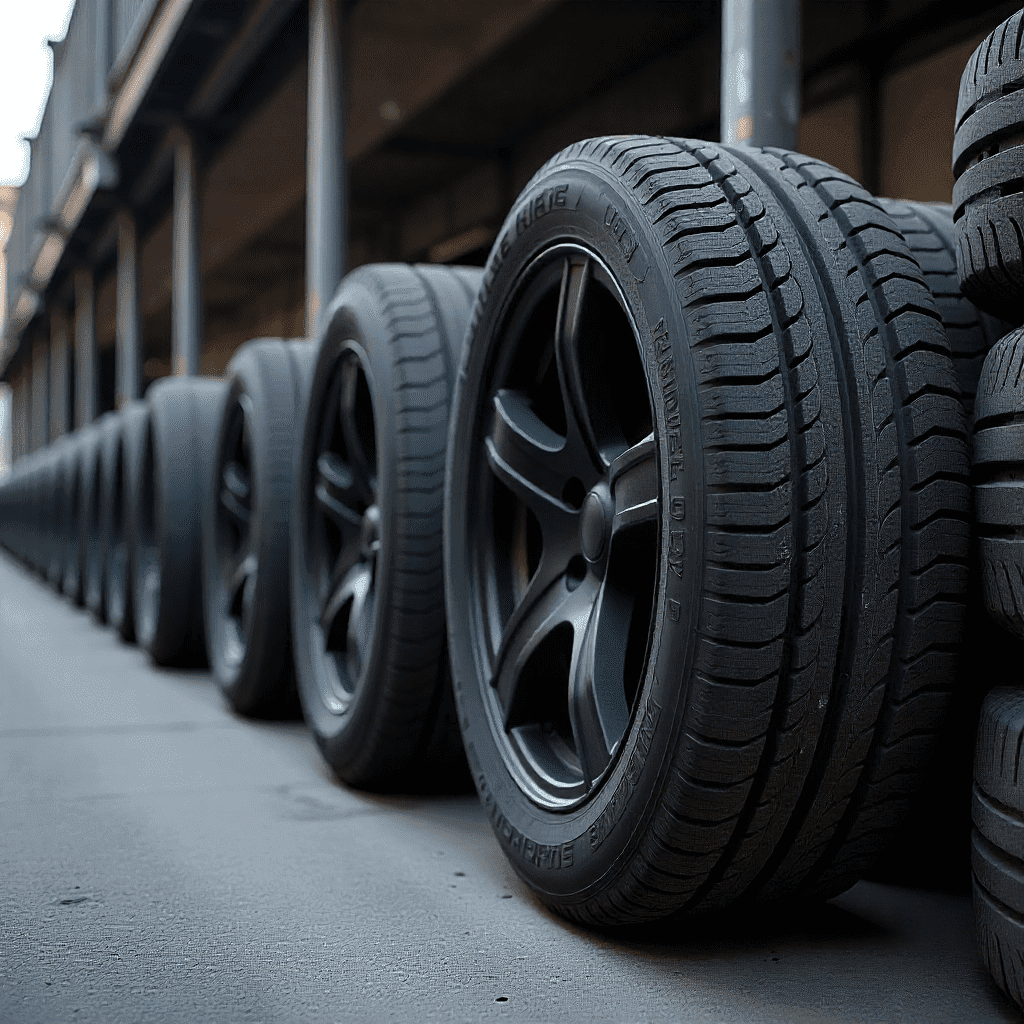
AT vs MT Tyres: All-Terrain vs Mud-Terrain Comparison Guide
Table of Contents
- Difference Between AT and MT Tyres: Expert Guide by Hot Tyres
- 1. Understanding the Basics of Tyre Types
- 2. What Are AT (All-Terrain) Tyres?
- 3. What Are MT (Mud-Terrain) Tyres?
- 4. Key Differences Between AT and MT Tyres
- 5. Performance on Different Terrains
- 6. Tyre Longevity & Maintenance
- 7. Cost Comparison
- 8. Fuel Efficiency Impact
- 9. Noise and Comfort Levels
- 10. Appearance and Aesthetic Appeal
- 11. Load Capacity and Durability
- 12. Which Tyre Is Better for You?
- 13. Popular AT and MT Tyre Brands at Hot Tyres
- 14. The Hot Tyres Difference
- 15. How to Choose the Right Tyre Size
- 16. Off-Road Adventures Around Sydney
- 17. Expert Tip: Mix and Match with Caution
- 18. AT vs MT in Sydney’s Climate
- 19. Environment and Sustainability
- 20. Final Thoughts
- Contact Us:
- 🔧 FAQs About AT and MT Tyres — Hot Tyres Sydney
- Contact Us:
AT vs MT Tyres: All-Terrain vs Mud-Terrain Comparison Guide
Table of Contents
Difference Between AT and MT Tyres: Expert Guide by Hot Tyres
Difference Between AT and MT Tyres: When it comes to choosing the right tyres for your vehicle, few decisions matter more than selecting the correct tread type. If you own a 4WD, SUV, or off-road vehicle, you’ve probably come across the terms AT (All-Terrain) and MT (Mud-Terrain) tyres. Both are designed for off-road performance, but each has its own strengths, weaknesses, and ideal use cases.
At Hot Tyres, we’ve helped thousands of Sydney drivers pick the right tyres for their lifestyle — from rugged outback adventurers to everyday suburban commuters. In this detailed guide, we’ll explain everything you need to know about AT vs MT tyres — their structure, performance, pros and cons, and which one is best for your driving needs.
1. Understanding the Basics of Tyre Types
Before diving deep into AT and MT tyres, it’s important to understand the role of tyre tread patterns and construction. Tyres are designed differently based on terrain, weather, and load requirements. For 4WD and SUV vehicles, there are typically three main categories:
- Highway Terrain (HT) – Optimized for on-road driving, comfort, and fuel efficiency.
- All-Terrain (AT) – Balanced for both on-road and off-road use.
- Mud-Terrain (MT) – Designed for extreme off-road conditions, mud, rocks, and dirt.
AT and MT tyres fall between versatility and ruggedness — one built for balance, the other for brute strength.
2. What Are AT (All-Terrain) Tyres?
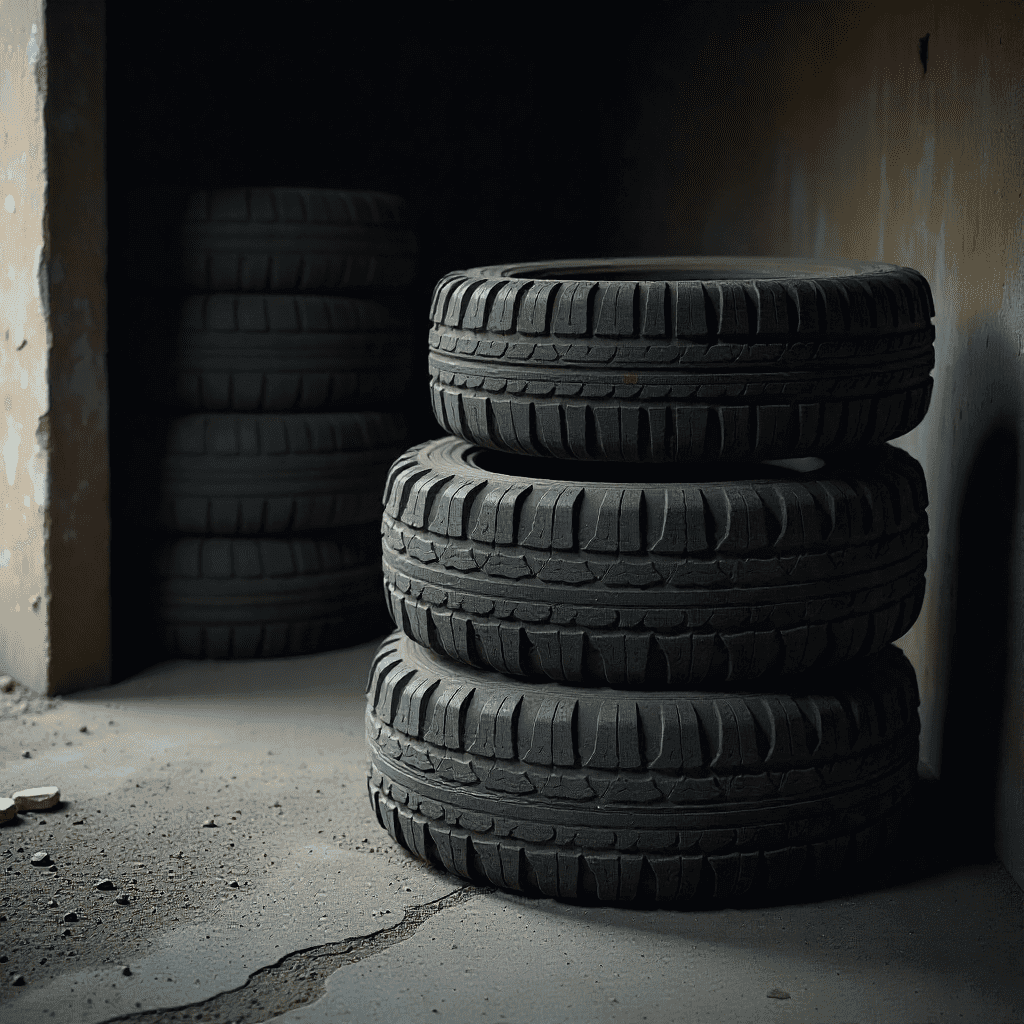
All-Terrain tyres, often labeled “AT,” are the perfect hybrid between highway comfort and off-road capability. They are made for drivers who spend a lot of time on paved roads but also need to handle unpaved trails, gravel, dirt, or light mud occasionally.
Key Features of AT Tyres
- Tread Pattern: Medium-aggressive tread blocks designed to grip both asphalt and loose surfaces.
- Sidewall Design: Moderately reinforced for off-road resistance while maintaining ride comfort.
- Tread Depth: Shallower than MT tyres, resulting in lower road noise and better on-road handling.
- Rubber Compound: Balanced for traction, longevity, and comfort.
Benefits of AT Tyres
- Excellent all-round performance.
- Comfortable ride on highways.
- Quieter than MT tyres.
- Better fuel efficiency compared to MT tyres.
- Durable and suitable for light off-roading.
Ideal Use
AT tyres are great for Sydney drivers who travel on both highways and country roads, or for weekend adventurers who hit gravel tracks or light trails occasionally.
3. What Are MT (Mud-Terrain) Tyres?
Mud-Terrain tyres, or “MT tyres,” are built for extreme off-road performance. They feature deep tread blocks and wide voids designed to grip through thick mud, sand, rocks, and uneven terrain.
Key Features of MT Tyres
- Tread Pattern: Aggressive and open for maximum mud ejection and traction.
- Sidewall Design: Reinforced and thick to resist punctures from rocks and sharp debris.
- Tread Depth: Much deeper than AT tyres, offering superior traction off-road.
- Rubber Compound: Tough and durable to withstand rough surfaces and low-pressure use.
Benefits of MT Tyres
- Exceptional off-road grip and control.
- Enhanced puncture resistance.
- Better self-cleaning ability in muddy or sandy conditions.
- Outstanding durability on rough trails.
Ideal Use
MT tyres are perfect for off-road enthusiasts, tradespeople, or anyone who regularly drives in muddy, sandy, or rocky areas — think outback roads, farms, or 4WD adventures.
4. Key Differences Between AT and MT Tyres
Let’s compare both tyre types side by side across different performance factors.
| Feature | All-Terrain (AT) | Mud-Terrain (MT) |
|---|---|---|
| On-Road Comfort | Smooth, quiet, and stable | Noisier and rougher |
| Off-Road Grip | Moderate | Exceptional |
| Fuel Efficiency | Better | Lower due to heavier design |
| Durability | Balanced | Maximum for off-road use |
| Tread Life | Longer on-road | Shorter on paved roads |
| Noise Level | Low to moderate | High |
| Cost | Moderate | Higher |
| Best For | Daily drivers & weekend adventurers | Hardcore off-roaders & 4WD enthusiasts |
5. Performance on Different Terrains
On-Road Performance
AT tyres outperform MT tyres on paved surfaces. They handle better, produce less noise, and offer better braking performance on dry and wet roads. MT tyres, while durable, can feel rough and louder due to their aggressive tread.
Off-Road Performance
MT tyres dominate in mud, rocks, and sand. Their deep tread blocks dig into soft ground, providing better traction. AT tyres can still handle off-road trails but may struggle in thick mud or steep rocky climbs.
Wet Weather & Rain
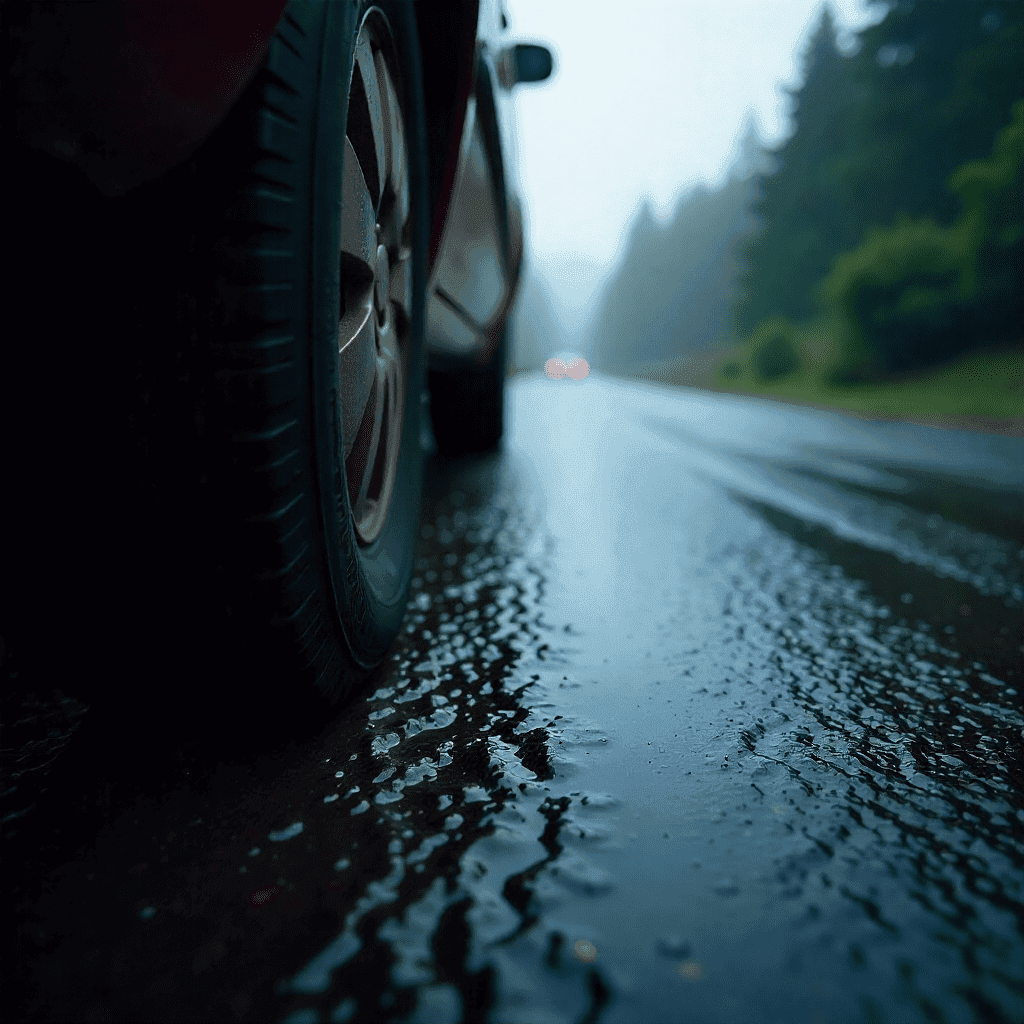
AT tyres perform more predictably on wet highways because they have more contact area and water-channeling grooves. MT tyres can hydroplane more easily on wet sealed roads due to their large tread gaps.
Snow & Slippery Conditions
In mild snowy conditions, AT tyres provide good traction. However, for extreme snow or icy surfaces, dedicated winter tyres or MT tyres with siped tread are preferred.
6. Tyre Longevity & Maintenance
Tread Life
AT tyres generally last longer when used mostly on-road — around 60,000 to 80,000 km.
MT tyres tend to wear faster on highways, typically lasting 40,000 to 60,000 km, depending on driving habits.
Maintenance Tips
- Rotate tyres every 8,000–10,000 km.
- Check air pressure regularly.
- Balance and align wheels for even wear.
- Clean tyres after muddy off-road trips.
At Hot Tyres, our experts provide wheel alignment and balancing with every tyre installation to help you get the longest life out of your tyres.
7. Cost Comparison
Price can vary depending on brand, size, and performance grade.
- AT Tyres: Usually mid-range in cost, offering excellent value for mixed driving.
- MT Tyres: More expensive due to reinforced construction and off-road performance.
However, the investment in the right tyre type saves money in the long run by reducing wear, fuel use, and potential damage.
8. Fuel Efficiency Impact
MT tyres create more rolling resistance because of their aggressive tread pattern and heavier design. This can slightly reduce fuel economy — by up to 10% compared to AT tyres.
AT tyres, with their smoother pattern, offer better efficiency and a more stable highway experience — ideal for long Sydney commutes.
9. Noise and Comfort Levels
If you drive mostly around Sydney’s roads, MT tyres may not be ideal due to their noticeable hum or roar. The large tread gaps create vibrations at higher speeds.
AT tyres, on the other hand, provide a much quieter and smoother ride, especially at highway speeds.
10. Appearance and Aesthetic Appeal
MT tyres undeniably look tougher and more aggressive — perfect for lifted trucks or off-road 4WDs. They give vehicles a muscular stance.
AT tyres have a more subtle yet rugged look that fits SUVs, dual-cabs, and adventure-ready family vehicles.
11. Load Capacity and Durability
MT tyres have thicker sidewalls and reinforced ply ratings, making them capable of carrying heavier loads and resisting punctures.
AT tyres also have durable construction but are optimized for comfort and flexibility rather than extreme load-bearing.
12. Which Tyre Is Better for You?
Choosing between AT and MT tyres depends on your lifestyle and driving environment:
| You Should Choose AT Tyres If: |
|---|
| You mostly drive on highways. |
| You occasionally explore gravel or dirt roads. |
| You value comfort, quietness, and fuel economy. |
| You want long-lasting tyre performance. |
| You Should Choose MT Tyres If: |
|---|
| You’re an off-road enthusiast. |
| You frequently drive in mud, sand, or rocky areas. |
| You want maximum traction in harsh terrain. |
| You don’t mind some road noise and higher fuel use. |
13. Popular AT and MT Tyre Brands at Hot Tyres
At Hot Tyres, we stock a wide range of top-quality tyres suitable for Australian roads and conditions, including:
- Bridgestone Dueler Series
- BFGoodrich All-Terrain T/A KO2
- Toyo Open Country A/T III and M/T
- Cooper Discoverer Series
- Hankook Dynapro AT2 & MT2
- Kumho Road Venture AT51 and MT71
- Pirelli Scorpion All Terrain Plus
- Nitto Trail Grappler and Ridge Grappler
Whether you need AT or MT tyres, our team helps you choose based on your vehicle type, terrain, and driving habits.
14. The Hot Tyres Difference
At Hot Tyres, we’re more than just a tyre shop — we’re a team of automotive experts passionate about safety, performance, and value.
Here’s what sets us apart:
- Over a decade of trusted service in Sydney.
- Huge range of new and used tyres for all vehicles.
- Professional fitting, balancing, and wheel alignment.
- Honest advice and competitive pricing.
- Friendly, local team ready to help you 6 days a week.
Our workshop at 74 Belmore Rd North, Riverwood NSW 2210, proudly serves customers from Punchbowl, Bankstown, Hurstville, and surrounding suburbs.
15. How to Choose the Right Tyre Size
When upgrading or replacing tyres, size matters. The size is usually printed on the sidewall, such as 265/65R17.
Each part of this number tells a story:
- 265 – Width of the tyre in millimetres.
- 65 – Aspect ratio (height-to-width ratio).
- R17 – Radial construction with a 17-inch rim diameter.
Our experts at Hot Tyres can help you decode tyre sizes and recommend the best fitment for your car or 4WD.
16. Off-Road Adventures Around Sydney
Sydney’s surrounding regions offer plenty of off-road adventures where AT and MT tyres shine:
- Watagans National Park – Muddy tracks and forest trails.
- Stockton Beach – Sandy dunes perfect for 4WDing.
- Blue Mountains – Rugged terrains and scenic routes.
- Lithgow & Oberon – Popular for off-road camping and trails.
No matter where you go, having the right tyres makes your adventure safer and more enjoyable.
17. Expert Tip: Mix and Match with Caution
Some drivers try mixing AT and MT tyres, but this is not recommended. It affects traction, braking, and stability. Always use the same type and size on all four wheels for optimal performance.
18. AT vs MT in Sydney’s Climate
Sydney experiences varied weather — hot summers, wet winters, and mixed road conditions.
For most urban drivers, AT tyres strike the perfect balance. But for weekend warriors heading off-road or into rural NSW, MT tyres offer unbeatable confidence in rough terrain.
19. Environment and Sustainability
Many AT tyres now feature eco-friendly rubber compounds designed to reduce rolling resistance and fuel use. MT tyres, while heavier, are being refined with new silica blends to enhance grip and longevity.
Hot Tyres promotes sustainable choices by recycling old tyres responsibly and recommending fuel-efficient models where possible.
20. Final Thoughts
Choosing between All-Terrain (AT) and Mud-Terrain (MT) tyres depends entirely on where you drive, how often you go off-road, and what kind of performance you expect.
If you’re in Sydney and need honest, expert advice — Hot Tyres is your go-to destination. Whether you want the smooth balance of AT tyres or the rugged capability of MT tyres, our team ensures you get the perfect match for your vehicle and driving lifestyle.
Get in Touch with Hot Tyres
Address: 74 Belmore Rd North, Riverwood NSW 2210
Phone: (02) 9533 6138
Email: hottyres74@gmail.com
Facebook: facebook.com/hottyresandwheels
Contact Us:
74 Belmore Rd North, Riverwood NSW 2210
(+61) – (02) 9533 6138
hottyres74@gmail.com
Sydney, NSW, Australia
🔧 FAQs About AT and MT Tyres — Hot Tyres Sydney
1. What is the difference between AT and MT tyres?
AT (All-Terrain) tyres are designed for both highway and off-road driving, while MT (Mud-Terrain) tyres are built specifically for extreme off-road conditions like mud, rocks, and sand.
2. Which tyre type is better for Sydney roads?
AT tyres are better for Sydney drivers because they provide comfort, quieter performance, and fuel efficiency for city and highway use while still handling occasional off-road trips.
3. Are MT tyres good for daily driving?
MT tyres can be used daily, but they are noisier and less fuel-efficient on highways compared to AT tyres. They are better suited for frequent off-road use.
4. Do AT tyres last longer than MT tyres?
Yes, AT tyres generally last longer on paved roads because they have shallower treads and wear more evenly.
5. Are MT tyres worth it for off-road driving?
Absolutely. MT tyres offer excellent traction, grip, and durability on muddy or rocky terrain, making them ideal for 4WD enthusiasts and off-road adventurers.
6. Can I mix AT and MT tyres on my vehicle?
It’s not recommended. Mixing tyre types affects traction, stability, and braking. Always use the same type and size on all four wheels.
7. Are AT tyres quieter than MT tyres?
Yes. AT tyres have a smoother tread pattern, which reduces road noise significantly compared to the aggressive tread of MT tyres.
8. Do AT tyres perform well in mud?
They can handle light mud, but MT tyres are far superior in deep or sticky mud conditions.
9. What are the best AT tyres available at Hot Tyres?
Hot Tyres stocks top brands like BFGoodrich, Toyo, Bridgestone, Cooper, and Hankook — all known for high-quality AT tyres ideal for Australian conditions.
10. Are MT tyres more expensive than AT tyres?
Yes, generally MT tyres cost more due to their heavier construction, reinforced sidewalls, and advanced off-road design.
11. Can I drive MT tyres in the rain?
You can, but MT tyres may have reduced wet grip and longer braking distances compared to AT tyres due to their wider tread gaps.
12. Which tyres are better for towing caravans or trailers?
AT tyres are better suited for towing because they provide stability, lower noise, and more even tread wear on highways.
13. How often should I rotate AT or MT tyres?
Rotate every 8,000 to 10,000 km to ensure even wear and prolong lifespan.
14. Do MT tyres use more fuel?
Yes, MT tyres have higher rolling resistance, which can reduce fuel economy by up to 10%.
15. Can I use AT tyres for long-distance highway driving?
Yes. AT tyres are comfortable and efficient for long-distance trips, offering smooth handling and stability.
16. Are MT tyres safe for highway speeds?
They are safe but tend to be louder and less comfortable. Their grip on sealed roads isn’t as strong as AT tyres.
17. Which tyres are better for the Australian outback?
MT tyres are best for outback driving, rocky trails, and sandy conditions due to their tough construction and superior grip.
18. How do AT tyres perform on gravel roads?
AT tyres perform excellently on gravel, offering traction and stability without excessive wear.
19. What are the main disadvantages of MT tyres?
They are louder, less fuel-efficient, wear faster on sealed roads, and cost more than AT tyres.
20. Do AT tyres handle well in the rain?
Yes. AT tyres have balanced tread patterns that effectively channel water and reduce hydroplaning.
21. What is the lifespan of AT tyres?
Typically between 60,000–80,000 km, depending on driving habits and maintenance.
22. What is the lifespan of MT tyres?
Around 40,000–60,000 km, depending on how much highway versus off-road driving you do.
23. Are AT tyres good for sand driving?
Yes, AT tyres handle sand well when deflated slightly, but MT tyres perform better in deep or soft sand.
24. Are MT tyres harder to balance?
They can be, due to their aggressive tread design, but at Hot Tyres, we use advanced balancing equipment to ensure perfect fitment.
25. Which tyres are better for comfort?
AT tyres are more comfortable and quieter, making them ideal for daily commutes and long highway drives.
26. Can AT or MT tyres improve vehicle appearance?
Yes. MT tyres give vehicles a rugged, aggressive look, while AT tyres offer a balanced, sporty appearance.
27. Do I need special rims for MT tyres?
Not necessarily, but strong, durable rims are recommended for off-road use to handle extra stress.
28. Are AT tyres good for snow?
They can handle light snow, but for heavy snow or icy conditions, MT tyres with deeper treads or winter tyres are more suitable.
29. Do MT tyres handle well on rocky terrain?
Yes. MT tyres excel on rocky surfaces with thick sidewalls and strong grip patterns.
30. How do AT tyres affect braking?
AT tyres provide stable, predictable braking on both wet and dry surfaces due to balanced tread design.
31. Can AT tyres reduce road noise in SUVs?
Yes, AT tyres are designed to minimize noise and vibration, offering a smoother ride for SUV owners.
32. Are MT tyres more prone to wear on highways?
Yes, MT tyres wear faster on asphalt because their tread is optimized for dirt and mud, not smooth pavement.
33. What is the best tyre pressure for AT tyres?
It depends on the vehicle, but generally around 32–36 PSI for road use. Always check manufacturer recommendations.
34. What is the best tyre pressure for MT tyres off-road?
Lower pressure (20–28 PSI) improves traction on sand or mud, but reinflate before driving back on roads.
35. Can AT tyres handle heavy loads?
Yes, AT tyres have strong sidewalls that support towing and heavy loads, making them suitable for utes and 4WDs.
36. What happens if I use MT tyres in the city?
You’ll experience more noise, reduced comfort, and slightly higher fuel costs, though they remain safe and durable.
37. Are AT tyres suitable for electric or hybrid SUVs?
Yes, AT tyres provide a good balance of grip and efficiency, making them suitable for electric and hybrid SUVs.
38. Can I switch from AT to MT tyres easily?
Yes, as long as the size matches your vehicle’s specifications. Hot Tyres can handle installation and balancing.
39. Do AT and MT tyres affect fuel economy differently?
Yes. AT tyres offer better mileage, while MT tyres increase rolling resistance, consuming more fuel.
40. Where can I buy AT or MT tyres near Sydney?
You can visit Hot Tyres, located at 74 Belmore Rd North, Riverwood NSW 2210. We stock leading AT and MT tyres and provide professional fitting and advice.
Contact Us:
74 Belmore Rd North, Riverwood NSW 2210
(+61) – (02) 9533 6138
hottyres74@gmail.com
Sydney, NSW, Australia