
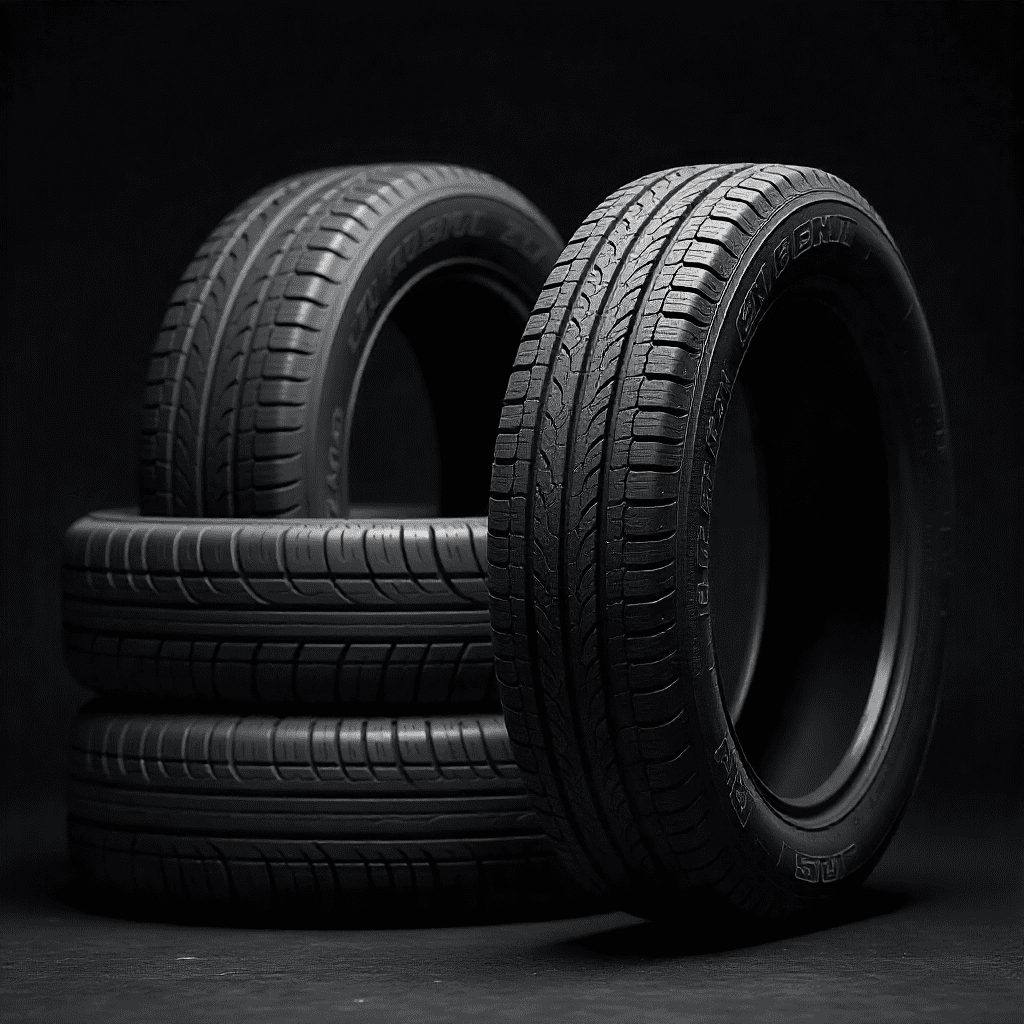
High Performance Tyre Sydney | #1 Expert Fast Service 2025
Table of Contents
- HIGH PERFORMANCE TYRE RECOMMENDATIONS – THE COMPLETE 2026 GUIDE BY HOT TYRES
- 1. WHAT DEFINES A HIGH PERFORMANCE TYRE?
- 2. TYPES OF HIGH PERFORMANCE TYRES
- A. High Performance (HP) Tyres
- B. Ultra High Performance (UHP) Tyres
- C. Max Performance / Extreme Performance (UUHP) Tyres
- D. Performance All-Season Tyres
- 3. WHY DRIVERS NEED HIGH PERFORMANCE TYRES
- 1. Braking Distance
- 2. Cornering Confidence
- 3. Road Feedback
- 4. Heat Resistance
- 5. Rapid Steering Response
- 4. KEY TECHNOLOGIES USED IN HIGH PERFORMANCE TYRES
- 1. High-Silica Rubber Compounds
- 2. Tread Block Stiffness
- 3. Reinforced Sidewalls
- 4. Multi-Layer Belting
- 5. Asymmetric or Directional Tread Patterns
- 6. Heat Dissipation Grooves
- 5. FACTORS TO CONSIDER BEFORE BUYING HIGH PERFORMANCE TYRES
- 1. Vehicle Type
- 2. Driving Style
- 3. Climate and Road Conditions
- 4. Tyre Lifespan vs Performance
- 5. Noise Levels
- 6. Budget Considerations
- 6. THE BEST HIGH PERFORMANCE TYRE RECOMMENDATIONS FOR 2026 – HOT TYRES EDITION
- A. PREMIUM / ULTRA HIGH PERFORMANCE TYRES
- 1. Michelin Pilot Sport 5
- 2. Michelin Pilot Sport 4S
- 3. Pirelli P Zero
- 4. Continental SportContact 7
- 5. Bridgestone Potenza Sport
- B. VALUE-FOCUSED HIGH PERFORMANCE TYRE RECOMMENDATIONS
- 1. Kumho Ecsta PS71
- 2. Hankook Ventus S1 Evo3
- 3. Falken Azenis FK510
- C. EXTREME PERFORMANCE / TRACK-READY TYRES
- 1. Yokohama Advan Neova AD09
- 2. Michelin Pilot Sport Cup 2
- 3. Nitto NT05
- 7. HIGH PERFORMANCE TYRE RECOMMENDATIONS BY VEHICLE TYPE
- A. FOR SPORTS SEDANS (e.g., BMW M-Series, Audi S-Line, Mercedes-AMG)
- B. FOR HOT HATCHES (e.g., Golf GTI/R, Focus ST, i30 N)
- C. FOR PERFORMANCE SUVs (e.g., BMW X5M, Audi SQ7, Range Rover Sport)
- D. FOR MUSCLE CARS (e.g., Mustang, Camaro, Commodore V8)
- E. FOR TRACK-FOCUSED VEHICLES (e.g., WRX STI, Evo, Supra, 86/BRZ)
- 8. TREAD DESIGNS AND THEIR IMPACT
- 1. Asymmetric Tread
- 2. Directional Tread
- 3. Semi-Slick Patterns
- 9. MAINTENANCE TIPS TO MAXIMISE YOUR HIGH PERFORMANCE TYRES
- 1. Keep Correct Tyre Pressure
- 2. Wheel Alignment
- 3. Rotation Schedule
- 4. Avoid Rough Roads
- 5. Inspect Sidewalls Regularly
- 10. WHY CHOOSE HOT TYRES FOR HIGH PERFORMANCE TYRE RECOMMENDATIONS?
- 11. FINAL THOUGHTS – THE IMPORTANCE OF HIGH PERFORMANCE TYRE RECOMMENDATIONS FOR 2026
- Contact Us:
- FAQS – HIGH PERFORMANCE TYRE RECOMMENDATIONS
- Contact Us:
High Performance Tyre Sydney | #1 Expert Fast Service 2025
Table of Contents
HIGH PERFORMANCE TYRE RECOMMENDATIONS – THE COMPLETE 2026 GUIDE BY HOT TYRES
HIGH PERFORMANCE TYRE RECOMMENDATIONS: High performance tyres represent the peak of tyre technology, delivering unmatched agility, cornering precision, braking strength, and stability at high speeds. While everyday tyres are designed around comfort, longevity, and fuel efficiency, high performance tyres focus on control, responsiveness, and maximum grip. Drivers who value dynamic handling—whether in sports cars, tuned vehicles, luxury sedans, or performance SUVs—need tyres engineered to go beyond the basics.
This comprehensive guide covers everything Australian drivers need to know about high performance tyre recommendations in 2026. You’ll learn how these tyres work, what technologies make them superior, how to choose the right set for your vehicle, and which brands dominate the road today. Hot Tyres brings decades of industry experience to help you make the best decision for your driving style, environment, and performance expectations.
1. WHAT DEFINES A HIGH PERFORMANCE TYRE?
Before exploring high performance tyre recommendations, it helps to understand what qualifies a tyre as “high performance.”
High performance tyres (often labelled HP, UHP, and UUHP) focus on delivering superior:
- Grip on dry and wet roads
- Cornering stability at higher speeds
- Responsive steering feedback
- Shorter braking distances
- Heat resistance
- Precision under dynamic driving
While performance tyres can still be comfortable, the priority is control, road feel, and driving engagement.
Most performance enthusiasts seek high performance tyre recommendations because these tyres create the direct, predictable, confident connection between the vehicle and the road.
2. TYPES OF HIGH PERFORMANCE TYRES
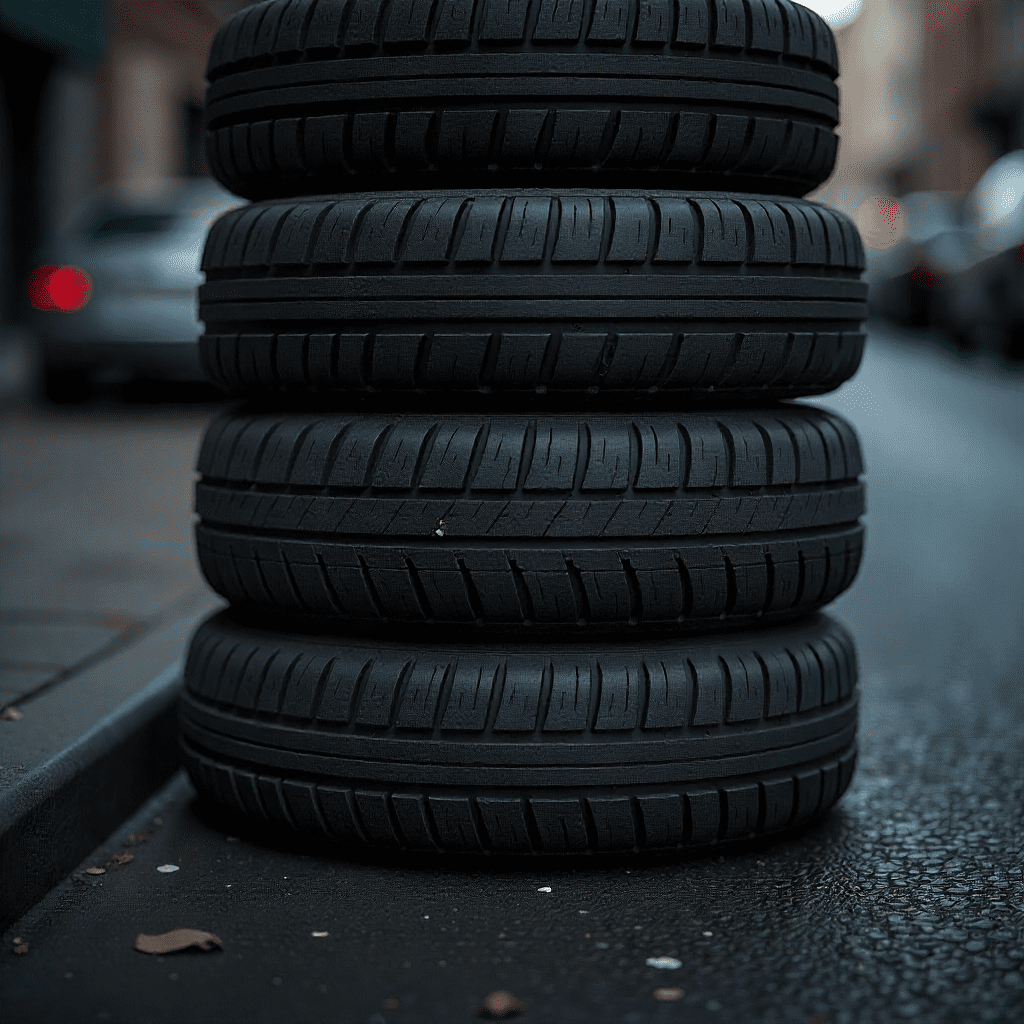
Understanding different categories helps narrow down the right recommendation.
A. High Performance (HP) Tyres
Ideal for:
- Daily-driven sedans
- Hot hatches
- Mid-range performance cars
Balanced grip, comfort, and durability.
B. Ultra High Performance (UHP) Tyres
Designed for:
- Sports sedans
- Powerful turbo vehicles
- Performance SUVs
- Enthusiast drivers
More grip, better cornering, improved responsiveness.
C. Max Performance / Extreme Performance (UUHP) Tyres
Made for:
- Track days
- High-powered sports cars
- High-speed touring
- Summer driving
Offer the absolute best in dry and wet grip at the cost of shorter lifespan.
D. Performance All-Season Tyres
More common overseas but still available in Australia:
- Suitable for mixed climates
- Compromise between grip and all-weather performance
Most Australian drivers stick to HP or UHP tyres due to climate consistency.
If you require tailored high performance tyre recommendations, you’ll need to consider your driving style, weather conditions, and vehicle characteristics.
3. WHY DRIVERS NEED HIGH PERFORMANCE TYRES
Many Australian roads require not just durability but precision. Whether commuting, spirited driving, coastal touring, or mountain road runs, performance tyres improve:
1. Braking Distance
Their specialised rubber compound shortens braking distances by providing better traction.
2. Cornering Confidence
Wider tread blocks, stiff sidewalls, and advanced construction give superior cornering stability.
3. Road Feedback
Performance tyres transmit subtle movements back to the steering wheel, helping drivers feel connected to the road.
4. Heat Resistance
Designed to handle friction and temperature buildup at speed.
5. Rapid Steering Response
Enhanced responsiveness improves safety and control.
These benefits make high performance tyre recommendations critical for any driver seeking better control, sportier feel, and enhanced safety.
4. KEY TECHNOLOGIES USED IN HIGH PERFORMANCE TYRES
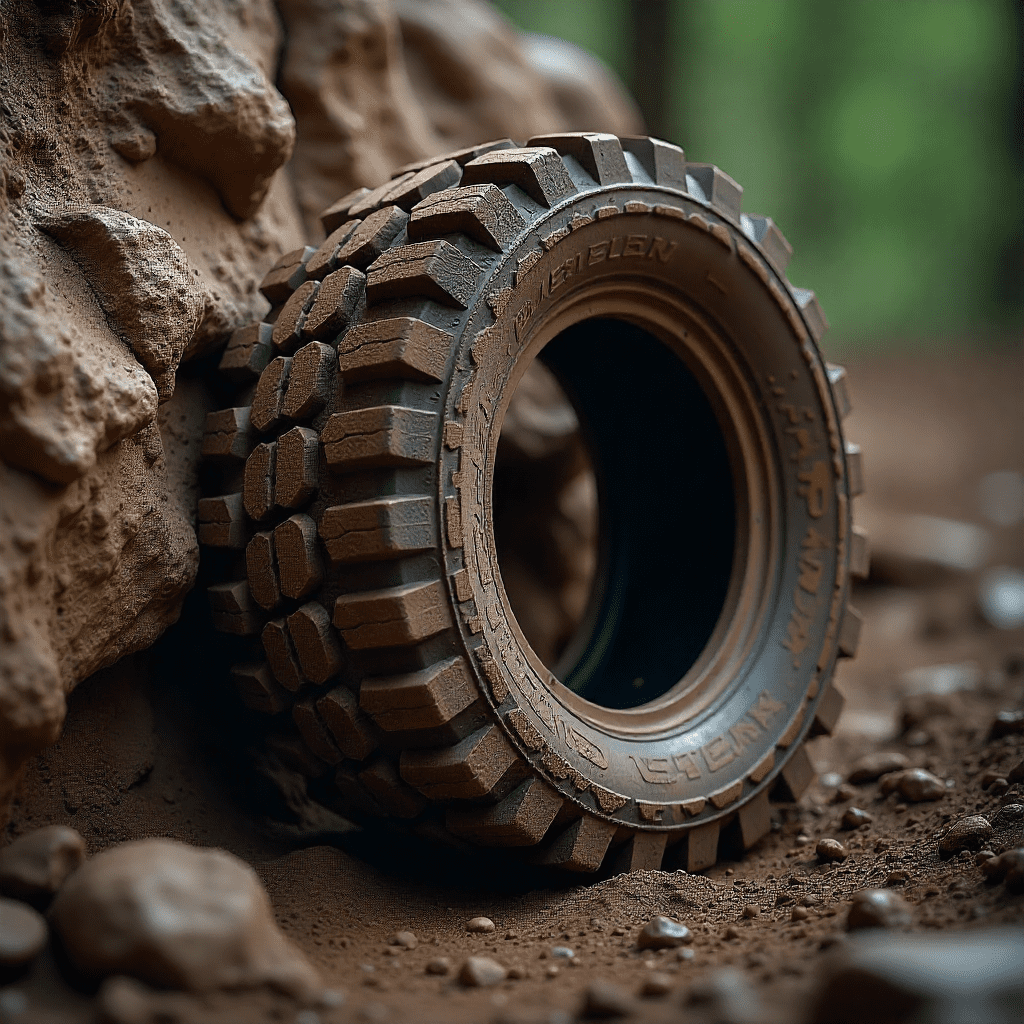
Modern tyre engineering blends rubber chemistry, advanced tread design, and structural reinforcement.
Below are the innovations behind every high performance tyre recommendation:
1. High-Silica Rubber Compounds
High performance tyres use complex rubber blends for:
- Enhanced wet grip
- Increased flexibility at temperature
- Better braking performance
Silica prevents tyres from hardening in cooler conditions.
2. Tread Block Stiffness
Stiffer tread blocks keep tyres stable under load, reducing deformation during cornering.
3. Reinforced Sidewalls
Strengthened sidewalls:
- Improve high-speed handling
- Enhance steering accuracy
- Resist flex under pressure
4. Multi-Layer Belting
Most UHP tyres use:
- Twin steel belts
- Aramid (Kevlar-like) reinforcement
- Spiral-wound nylon layers
These materials reduce distortion at high speeds.
5. Asymmetric or Directional Tread Patterns
Common in performance tyre design:
- Asymmetric for balanced dry/wet performance
- Directional for precise water evacuation and high-speed stability
6. Heat Dissipation Grooves
Performance tyres overheat if not engineered properly. Channels around the tread help dissipate heat during spirited driving.
5. FACTORS TO CONSIDER BEFORE BUYING HIGH PERFORMANCE TYRES
Before reviewing high performance tyre recommendations, you must evaluate your needs. Performance tyres vary in characteristics based on design philosophy.
1. Vehicle Type
A lightweight hatchback requires different tyres compared to a heavy V8 sedan or turbo SUV.
2. Driving Style
Ask yourself:
- Do you drive aggressively?
- Do you corner hard?
- Do you take weekend mountain trips?
- Do you push your car on open highways?
Driving habits strongly influence tyre selection.
3. Climate and Road Conditions
For Australian conditions:
- High heat resistance is essential
- Wet grip is critical for seasonal rain
- Durability matters for coarse bitumen
4. Tyre Lifespan vs Performance
UUHP tyres deliver exceptional grip but shorter life. HP tyres last longer but offer slightly less performance.
5. Noise Levels
Performance tyres tend to be louder, though many modern models focus on reducing cabin noise.
6. Budget Considerations
Premium tyres cost more because of high-end engineering, but provide:
- Better handling
- Faster stopping
- Safer wet performance
6. THE BEST HIGH PERFORMANCE TYRE RECOMMENDATIONS FOR 2026 – HOT TYRES EDITION
Below is a complete list of the strongest high performance tyre recommendations from Hot Tyres. These tyres are proven in Australian conditions and deliver unmatched driving engagement.
A. PREMIUM / ULTRA HIGH PERFORMANCE TYRES
1. Michelin Pilot Sport 5
Renowned for:
- Exceptional dry and wet grip
- Long lifespan
- Sharp steering feel
Its balance makes it one of the strongest high performance tyre recommendations for 2026.
2. Michelin Pilot Sport 4S
The gold standard for sports cars:
- Lightning-quick steering response
- Amazing cornering control
- Wet-weather excellence
Ideal for performance sedans, coupes, and sport SUVs.
3. Pirelli P Zero
Fitted to high-end European cars:
- Incredible traction
- Motorsport-derived technology
- Best for dry, high-speed performance
One of Pirelli’s most famous high performance tyre options.
4. Continental SportContact 7
Engineered for dynamic handling:
- Highly responsive
- Predictable at high speeds
- Exceptional wet grip
A favourite for German performance vehicles.
5. Bridgestone Potenza Sport
Strong in:
- Wet braking
- Dry control
- High-speed stability
Highly recommended for drivers wanting an aggressive, controlled experience.
B. VALUE-FOCUSED HIGH PERFORMANCE TYRE RECOMMENDATIONS
1. Kumho Ecsta PS71
Offers:
- Great stability
- Strong grip at affordable price
- Quiet road behaviour
Ideal for budget-conscious performance drivers.
2. Hankook Ventus S1 Evo3
Delivers:
- Excellent wet grip
- Confident cornering
- Good comfort
A perfect midpoint between performance and affordability.
3. Falken Azenis FK510
Great for:
- Spirited driving
- Balanced grip
- Strong wet performance
A favourite among tuners and modified vehicles.
C. EXTREME PERFORMANCE / TRACK-READY TYRES
1. Yokohama Advan Neova AD09
Loved by track enthusiasts:
- Razor-sharp control
- Massive cornering grip
- Superb dry traction
One of the ultimate high performance tyre recommendations for track days.
2. Michelin Pilot Sport Cup 2
Track-bred:
- Semi-slick performance
- Incredible dry handling
- Heat-resistant construction
Strictly for serious enthusiasts.
3. Nitto NT05
For drifting and grip motorsport:
- Ultra-stiff sidewalls
- Phenomenal dry grip
- Motorsport-grade stability
7. HIGH PERFORMANCE TYRE RECOMMENDATIONS BY VEHICLE TYPE
Choosing tyres based on your vehicle ensures proper performance.
A. FOR SPORTS SEDANS (e.g., BMW M-Series, Audi S-Line, Mercedes-AMG)
Best choices:
- Michelin Pilot Sport 4S
- Continental SportContact 7
- Bridgestone Potenza Sport
These tyres give excellent traction, quietness, and high-speed control.
B. FOR HOT HATCHES (e.g., Golf GTI/R, Focus ST, i30 N)
Best choices:
- Michelin Pilot Sport 5
- Pirelli P Zero
- Falken Azenis FK510
- Yokohama Advan AD09 (for aggressive driving)
C. FOR PERFORMANCE SUVs (e.g., BMW X5M, Audi SQ7, Range Rover Sport)
Best choices:
- Pirelli P Zero SUV
- Michelin Pilot Sport 4 SUV
- Continental SportContact 6/7
These provide stability, load-bearing strength, and control.
D. FOR MUSCLE CARS (e.g., Mustang, Camaro, Commodore V8)
Best choices:
- Michelin Pilot Sport 4S
- Nitto NT05
- Falken Azenis FK510
E. FOR TRACK-FOCUSED VEHICLES (e.g., WRX STI, Evo, Supra, 86/BRZ)
Best choices:
- Yokohama Advan AD09
- Michelin Cup 2
- Hankook Ventus RS4
These tyres maximise grip, precision, and cornering force.
8. TREAD DESIGNS AND THEIR IMPACT
The tread design influences performance significantly.
1. Asymmetric Tread
Benefits:
- Balance between dry and wet grip
- Better cornering stability
- Ideal for UHP tyres
2. Directional Tread
Benefits:
- Straight-line stability
- Fast water evacuation
- Popular in performance and track tyres
3. Semi-Slick Patterns
Benefits:
- Ultimate dry grip
- Track-ready performance
Downside:
- Limited wet grip
- Shorter lifespan
9. MAINTENANCE TIPS TO MAXIMISE YOUR HIGH PERFORMANCE TYRES
Your tyres will only perform as well as you maintain them.
1. Keep Correct Tyre Pressure
Under-inflation:
- Reduces grip
- Causes heat build-up
- Increases wear
Over-inflation:
- Reduces road contact
- Harms traction
2. Wheel Alignment
Enhances stability and tyre life.
3. Rotation Schedule
Rotate every 6,000–8,000 km to ensure even wear.
4. Avoid Rough Roads
High performance tyres use softer compounds which wear faster on rough surfaces.
5. Inspect Sidewalls Regularly
Performance tyres have thinner sidewalls for responsiveness—check for damage.
10. WHY CHOOSE HOT TYRES FOR HIGH PERFORMANCE TYRE RECOMMENDATIONS?
Hot Tyres is trusted across Australia for:
- Expert performance tyre advice
- Genuine, premium tyres
- Professional installation
- Accurate fitment services
- Competitive pricing
Whether you drive a luxury sedan, tuned hatch, turbo coupe, or V8 muscle car, the right set of performance tyres transforms the driving experience.
11. FINAL THOUGHTS – THE IMPORTANCE OF HIGH PERFORMANCE TYRE RECOMMENDATIONS FOR 2026
High performance tyres are not just for enthusiasts—they are for anyone who values safety, control, responsiveness, and confidence. The difference between a standard tyre and a premium performance tyre is often felt in the first few kilometres: sharper steering, smoother grip transitions, stronger braking, and more stability at speed.
The world of performance tyres continues to evolve, with 2026 bringing improved compounds, optimised tread designs, and more refined engineering than ever before. Hot Tyres remains committed to providing Australian drivers with the best high performance tyre recommendations to suit their vehicle, driving style, and goals.
Whether you need maximum grip for spirited weekend driving, a reliable UHP tyre for your daily commute, or a track-grade option for extreme performance, Hot Tyres has the expertise to guide you.
Contact Us:
74 Belmore Rd North, Riverwood NSW 2210
(+61) – (02) 9533 6138
hottyres74@gmail.com
Sydney, NSW, Australia
FAQS – HIGH PERFORMANCE TYRE RECOMMENDATIONS
1. What are high performance tyres?
High performance tyres are specialised tyres designed to deliver superior grip, handling, steering precision, cornering stability, and braking performance at higher speeds. They use advanced rubber compounds and reinforced structures to maximise road contact and responsiveness.
2. Why do people look for high performance tyre recommendations?
Drivers want clear guidance because there are dozens of premium tyre brands, and high performance tyres vary based on driving style, vehicle type, weather conditions, and the intended level of grip and speed. Professional recommendations help narrow down suitable options.
3. Are high performance tyres worth the investment?
Yes. They significantly improve steering feel, stability during fast cornering, braking distances, and overall road confidence. For sporty vehicles or enthusiastic drivers, they offer noticeable performance and safety benefits.
4. Which tyre brands are known for high performance tyres?
Popular manufacturers include Michelin, Pirelli, Bridgestone, Continental, Yokohama, Goodyear, Hankook, Kumho, and Falken. Each has different options depending on driving priorities.
5. Are high performance tyres only for sports cars?
No. Many modern SUVs, sedans, hot hatches, and EVs also use high performance tyres to support heavier vehicles and high torque output.
6. Do high performance tyres work well in Australia?
Absolutely. Australia’s smooth highways, warm temperatures, and modern vehicles make performance tyres ideal. However, choose tyres with strong heat resistance and good wet-weather capability.
7. What should I look for in high performance tyre recommendations?
Focus on grip level, tread pattern, speed rating, compound quality, durability, wet grip, noise levels, and cornering stability.
8. How do high performance tyres improve handling?
They have stiff sidewalls, responsive rubber compounds, and advanced tread patterns that maximise surface grip. This enhances stability during aggressive steering inputs.
9. What is the difference between high performance tyres and ultra-high performance tyres?
High performance tyres suit spirited road driving. Ultra-high performance (UHP) tyres are more aggressive, offering race-oriented grip with shorter tread life and higher speed ratings.
10. Are high performance tyres safe in the rain?
Most premium performance tyres have excellent wet grip due to silica compounds and water-evacuating tread patterns. Always choose tyres with strong wet-weather ratings.
11. Do high performance tyres wear quickly?
They can wear faster because the rubber is softer for better grip. However, modern compounds have improved longevity significantly.
12. What speed rating should high performance tyres have?
Typically W, Y, or ZR ratings, which indicate the tyre can handle speeds from 240–300+ km/h safely.
13. How often should high performance tyres be replaced?
It depends on driving habits, but most last between 30,000–50,000 km. Regular maintenance helps extend lifespan.
14. Do performance tyres reduce fuel economy?
They can, because their increased grip often means more rolling resistance. Some newer models minimise this drawback with efficient tread designs.
15. Which performance tyres are best for daily driving?
Tyres like Michelin Pilot Sport 4, Continental PremiumContact 6, and Bridgestone Potenza Sport offer excellent balance between grip and comfort.
16. What performance tyres work best for sports cars?
Popular choices include Pirelli P Zero, Michelin Pilot Sport 5, Yokohama Advan Sport V107, and Goodyear Eagle F1 Supersport.
17. Are high performance tyres noisy?
Some may be slightly louder than touring tyres, but premium brands use noise-dampening tread technology to minimise sound.
18. Do performance tyres help braking?
Yes. Their superior grip dramatically reduces braking distance, especially during emergency stops.
19. What performance tyres work best on wet roads?
Michelin Pilot Sport 4, Continental SportContact 7, and Bridgestone Potenza RE003 are excellent in wet conditions.
20. Will performance tyres improve acceleration?
Yes. Enhanced traction helps transfer engine power to the road more effectively.
21. Can high performance tyres handle rough roads?
They’re designed for sealed roads. While they can handle everyday bumps, they aren’t ideal for unsealed surfaces.
22. Do EVs need high performance tyres?
Many EVs require them due to heavier weight and instant torque. Tyres like Michelin Pilot Sport EV are specifically designed for electric vehicles.
23. What tyre pressure should I run?
Always follow vehicle manufacturer guidelines. Performance tyres are sensitive to pressure changes—incorrect PSI affects handling.
24. How do high performance tyres behave at high speeds?
They provide stability, reduced wobble, predictable handling, and better road connection.
25. Are run-flat performance tyres good?
They offer convenience but often have stiffer sidewalls, which may reduce comfort. Some drivers prefer non-run-flat alternatives.
26. What is the best high performance tyre for comfort?
Continental PremiumContact 7 and Michelin Pilot Sport 4 are known for comfort without sacrificing grip.
27. What is the best track-ready performance tyre?
Semi-slicks like Yokohama Advan Neova AD08R or Michelin Pilot Sport Cup 2 are ideal for track enthusiasts.
28. Should I choose directional or asymmetric performance tyres?
Asymmetric patterns offer excellent everyday performance. Directional patterns excel in wet weather and high-speed stability.
29. What load rating is recommended for performance tyres?
Choose a load rating equal to or greater than your vehicle’s original specifications.
30. Do performance tyres affect ride comfort?
They may feel firmer due to stiff sidewalls. Premium tyres balance comfort and responsiveness well.
31. Are budget performance tyres reliable?
Some budget brands provide decent value, but premium tyres deliver far better grip, safety, and durability.
32. How do I know when my performance tyres are worn out?
Look for low tread depth, uneven wear, vibration, or reduced traction.
33. Should I match all four tyres?
Yes. Mixing performance tyres with other types can compromise stability and handling.
34. How does tyre width affect performance?
Wider tyres offer more grip but may reduce fuel efficiency. Balance is essential.
35. Are softer compounds better?
Softer compounds give more grip but wear faster. Medium compounds balance longevity and performance.
36. Do performance tyres need regular rotation?
Yes. Rotate every 8,000–10,000 km for even wear.
37. Are performance tyres good for long road trips?
Premium options provide comfort, stability, and confidence for highway travel.
38. What tyres reduce understeer?
High-grip front tyres like Michelin Pilot Sport 5 help reduce understeer in front-heavy vehicles.
39. What tyres reduce oversteer?
Tyres with excellent rear grip—like Pirelli P Zero—help stabilise oversteering vehicles.
40. What are summer performance tyres?
Designed for warm weather, they offer maximum dry and wet grip but perform poorly in cold climates.
41. Are all high performance tyres summer tyres?
Most are, but some brands offer all-season performance variants for cooler climates.
42. Do performance tyres work in winter?
Not ideally. They harden in cold temperatures. Use winter tyres if you drive in snow or icy regions.
43. What is aquaplaning resistance?
It’s the tyre’s ability to maintain contact with the road in heavy water. Premium tyres offer excellent resistance.
44. How do high performance tyres enhance cornering?
Stiff sidewalls, strong carcass construction, and advanced tread blocks reduce flex during sharp turns.
45. Can performance tyres increase vehicle value?
Yes—buyers often prefer vehicles with reputable premium tyres already fitted.
46. Do performance tyres require specialised fitting?
Professional fitting is recommended to ensure correct balance, alignment, and bead seating.
47. What tread depth is considered safe?
Replace tyres at 3mm for optimal performance. The legal minimum is 1.5mm in Australia.
48. Are nitrogen-filled performance tyres beneficial?
Nitrogen maintains pressure more consistently, improving performance stability.
49. What causes uneven wear on performance tyres?
Incorrect alignment, unbalanced wheels, driving habits, or wrong pressures.
50. How long does fitting take?
Typically 45–90 minutes for all four tyres including balancing and alignment.
51. Are Continental tyres good for performance cars?
Yes. The SportContact and PremiumContact ranges are highly rated for handling and grip.
52. Are Michelin tyres the best for performance?
Many consider Michelin Pilot Sport tyres the most consistent performers across all driving conditions.
53. Are Pirelli tyres worth it?
Pirelli P Zero models are engineered for sports cars and offer outstanding steering precision.
54. Are Yokohama Advan tyres good for sports driving?
Yes—Advan Sport and Advan Neova are favourites among enthusiasts.
55. Are Goodyear Eagle tyres good for performance?
Yes. Eagle F1 tyres provide strong wet and dry handling with high-speed stability.
56. Are Hankook performance tyres good value?
Hankook Ventus models offer solid performance at competitive prices.
57. What performance tyres last the longest?
Michelin and Continental typically offer the best balance of grip and durability.
58. Do ultra-high performance tyres require break-in?
Yes. They typically need 200–300 km to settle and achieve optimal grip.
59. Which performance tyres offer the quietest ride?
Continental PremiumContact and Michelin Primacy (performance-touring hybrids) are known for low noise levels.
60. How do I choose the best high performance tyres for my car?
Evaluate your driving style, vehicle requirements, climate, and handling preferences. Professional recommendations ensure the perfect match.
Contact Us:
74 Belmore Rd North, Riverwood NSW 2210
(+61) – (02) 9533 6138
hottyres74@gmail.com
Sydney, NSW, Australia