
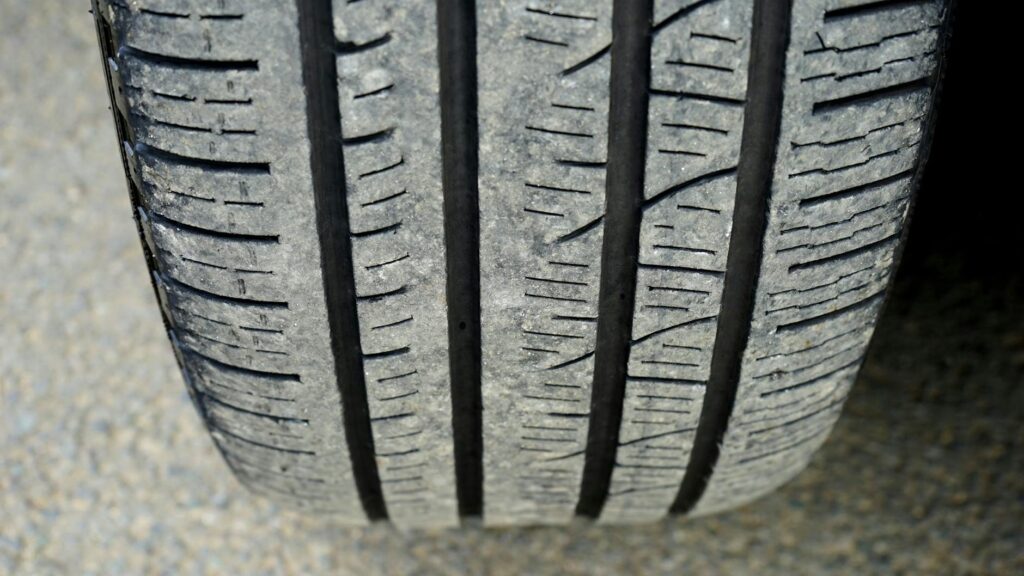
Last summer, a Hurstville driver pulled into our Riverwood workshop with a rear tyre blistering at the shoulder. She’d noticed the car pulling left for three weeks and ignored it. A $95 wheel alignment would have saved her a $420 tyre replacement.
Why Hot Tyres and Wheels Matter More Than You Think
Tyres work hard on Sydney roads. They handle potholed streets in Canterbury, stop-start traffic on the M5, and tight roundabouts through Bankstown and Roselands. Heat is the enemy of rubber. When your hot tyres and wheels aren’t matched and maintained properly, heat builds fast and wear accelerates.
Most drivers don’t notice until something fails. A blowout on King Georges Road. A shimmy on the Princes Highway at 100 km/h. A workshop bill that could’ve been halved with one simple check.
In this guide, you’ll discover:
- How to read the signs your tyres are running too hot: before they fail on you
- Which tyre brands handle Sydney conditions best: with real pricing and honest comparisons
- How wheel alignment affects tyre heat and wear: and what misalignment actually costs you
- What a professional service covers: and what to ask for at the counter
Transport for NSW data shows tyre-related defects are among the top three mechanical causes of serious crashes on NSW roads. Getting your hot tyres and wheels right isn’t just about saving money. It’s about getting home safely.
Why Tyres Run Hot: and When to Worry
Every tyre generates heat when it rolls. That’s normal physics. What isn’t normal is excessive heat, which breaks down the rubber compounds that keep your tyres structurally sound. According to Transport for NSW’s vehicle safety guidelines, tyre failures increase significantly when operating temperatures exceed design limits for extended periods. The causes are almost always preventable.
The Main Causes of Overheating Tyres
- Under-inflation: A tyre running at 25 PSI instead of 35 PSI flexes more with every rotation. More flexing means more heat. Most passenger tyres lose 1-2 PSI per month naturally, so pressure drops without any visible sign of damage.
- Overloading: Carrying more than your vehicle’s rated load capacity pushes tyres past their design limits. Check the door placard for your maximum load rating before any long trip with a full car or heavy cargo.
- Misalignment: When wheels aren’t pointing straight, tyres scrub against the road at an angle. That constant friction becomes heat. It also destroys tread unevenly, turning a $250 tyre into scrap in 20,000 km instead of 60,000 km.
- High-speed motorway driving: Long runs on the M5 or M7 at 110 km/h generate significantly more heat than city driving. This is where under-inflated tyres become genuinely dangerous. Heat build-up compounds with distance.
- Aged rubber: Old tyres lose their heat-dissipating ability. Rubber older than five years should be inspected annually, even if tread depth looks fine. The compounds harden and wet-weather grip drops sharply.
A Beverly Hills customer came in early this year after a slow rear-left puncture. On inspection, our technicians found the tyre had been running at 18 PSI for weeks. The inner sidewall was starting to separate. Full replacement cost: $285. Monthly pressure checks cost nothing. Our tyre fitting service includes a pressure and condition check on all four tyres at every visit, so you’re never left guessing.
Reading Tyre Wear Patterns Like a Technician
Your tyres leave clues. The wear pattern across your tread tells a precise story about what’s happening with your suspension, alignment, and inflation. According to the Motor Traders’ Association of NSW (MTAA), over 60% of tyres presenting at service centres show abnormal wear patterns that point to an underlying mechanical issue. Most drivers don’t know how to read them.
What Your Wear Pattern Is Telling You
- Centre wear only: The tyre is over-inflated. The centre bulges and takes all the road load. Reduce pressure to the manufacturer’s specification on the door placard.
- Both edge wear: The tyre is under-inflated. The sidewalls carry the load instead of the tread centre. Inflate immediately and check again when cold.
- One-edge wear (inner or outer shoulder): The wheel is out of alignment. The tyre runs at an angle and scrubs the shoulder off. Book a wheel alignment before the tyre is destroyed. Continuing to drive compounds the problem and the cost.
- Cupping or scalloping: Uneven dips across the tread face, often in a circular pattern. Usually a worn shock absorber. The tyre is bouncing instead of rolling smoothly. New tyres won’t fix this without addressing the shocks first.
- Feathering (rounded one side, sharp ridges on the other): Toe alignment is off. Common after hitting a kerb or a sharp pothole. A fast Kingsgrove roundabout exit or a hard Canterbury Road gutter hit can cause this.
In our experience at Riverwood, one-edge wear is the most common pattern we see from drivers across the Bankstown and Canterbury areas. The combination of roundabouts, speed humps, and aging road surfaces puts constant lateral stress on tyres. Our tyre experts can read your wear pattern in under two minutes. Read more about tyre health on the Hot Tyres blog, or bring the car in and we’ll show you exactly what’s happening.
Wheel Alignment and Why It Changes Everything
Wheel alignment is the single most underrated tyre service in Sydney. According to the Australian Automobile Association (AAA), Australian drivers spend an estimated $2.8 billion annually on premature tyre replacement. A significant portion is preventable with regular alignment checks and correct inflation. Misalignment is quiet, gradual, and expensive.
Alignment refers to three key angles that determine how your wheels contact the road:
- Camber: The vertical tilt of the wheel viewed from the front of the car. Negative camber (top of the wheel leaning inward) is designed into many modern vehicles. Too much in either direction causes inner or outer shoulder wear.
- Toe: Whether your wheels point slightly inward (toe-in) or outward (toe-out) when viewed from above. Even 0.5° of toe error accelerates shoulder wear significantly and shortens tyre life by thousands of kilometres.
- Caster: The forward or backward tilt of the steering axis. This affects straight-line stability and steering return. Poor caster is often why some cars feel vague and wandery on the freeway even with new tyres.
How Often Should You Align Your Car in Sydney?
- Every 10,000 km: A solid baseline for Sydney city driving with its kerbs, speed humps, and potholes.
- After any kerb strike or significant pothole impact: A single hard hit on Canterbury Road or Parramatta Road can knock alignment out by up to 1°. That 1° is enough to halve tyre life on that axle.
- At every new tyre fitment: Always align when fitting new tyres. Fitting a $280 Bridgestone on a misaligned axle is throwing money into the road.
- If the car pulls left or right on a flat road: Your car should track straight with hands off the wheel. If it doesn’t, alignment is almost always the cause.
A Narwee customer brought in a set of nearly-new Bridgestone tyres showing 4 mm of inner edge wear after just 8,000 km. The cause was 1.8° of negative camber on both rear wheels after a suspension knock the previous year. His alignment cost $95. Replacing those tyres early would have cost over $600. Book your alignment check at Hot Tyres before the damage compounds further.
Tyre Brand Comparison: Sydney Road Performance in 2026
| Brand & Range | Best For | Wet Performance | Tread Life | Price Per Tyre |
|---|---|---|---|---|
| Bridgestone Ecopia | Fuel economy, daily commuting | Excellent | 60,000–80,000 km | $150–$280 |
| Bridgestone Potenza | Sports and performance vehicles | Excellent | 40,000–55,000 km | $200–$380 |
| Toyo Proxes | Performance sedans, spirited driving | Very Good | 50,000–70,000 km | $140–$260 |
| Toyo Open Country | SUVs, light off-road use | Good | 55,000–70,000 km | $160–$290 |
| Cooper Discoverer AT3 | Dual-cab utes, mid-size SUVs | Good | 55,000–75,000 km | $130–$240 |
| BFGoodrich All-Terrain T/A KO2 | Serious 4WD, mixed terrain, towing | Good | 60,000–80,000 km | $180–$350 |
Choosing the Right Tyre Brand for Your Car and Roads
The “best tyre” doesn’t exist as a universal answer. The right tyre depends on your car, your driving style, and the Sydney roads you cover daily. In our 15 years at Riverwood, we’ve fitted thousands of sets across everything from Kia Cerato hatchbacks to LandCruiser 200 Series. Here’s how we match brand to driver.
Bridgestone: The All-Rounder
Bridgestone is Australia’s most trusted tyre brand by sales volume, according to the Tyre and Rubber Association of Australia (TRAA). The Ecopia series suits Sydney commuters well. It’s quiet at highway speeds, confident in wet weather, and returns solid fuel economy across a full tank. For performance vehicles, the Potenza RE004 delivers one of the best dry-grip ratings available under $300 per tyre. We stock Bridgestone across the full passenger, SUV, and performance range at Riverwood.
Toyo: Performance at a Fair Price
Toyo Proxes tyres offer genuine performance-car handling at a price point that makes some Bridgestone Potenza buyers reconsider. The Proxes T1 Sport handles Sydney’s faster roads, including the Eastern Distributor and the F3 northbound, with real confidence at highway speeds. For SUV drivers coming in from Padstow and Kingsgrove who want a tyre that handles Bundeena firetrails on the weekend without suffering on Monday’s commute, the Toyo Open Country AT delivers that balance cleanly.
Cooper: Honest Performance at Mid-Range Pricing
Cooper Tyres are a strong, honest performer at a price point below the premium brands. The Discoverer AT3 is our most-fitted all-terrain for dual-cab utes and mid-size SUVs. It handles Sydney suburban streets without the heavy road noise of more aggressive all-terrains. A Punchbowl tradie came in last year needing something that handled his Ranger from Bankstown to Nowra camping trips without punishing him on the daily run. We fitted Cooper AT3s on the rear and Bridgestone Ecopia on the front. That practical split saved him $180 compared to a full set of premium all-terrains and worked exactly as intended. Our tyre fitting specialists can advise on mixed fitments like this when it makes sense for your driving.
BFGoodrich: Built for Serious 4WD Work
The BFGoodrich All-Terrain T/A KO2 is arguably the best all-terrain tyre in Australia for genuine 4WD use. It’s heavier and louder than the Cooper AT3 on sealed roads, but it outperforms almost everything in loose gravel, mud, and rocky terrain. For LandCruiser owners who do real off-road work beyond fire trails, BFGoodrich is worth the extra $40-$60 per tyre. We stock the full BFG 4WD range at our Riverwood workshop.
Still unsure which brand suits your vehicle? Browse our tyre advice articles on the Hot Tyres blog, or call us on (02) 9533 6138 and we’ll work through the options with you in five minutes flat.
Need New Tyres or a Wheel Alignment in Sydney?
Our Riverwood workshop stocks Bridgestone, Toyo, Cooper, and BFGoodrich across passenger, SUV, and 4WD ranges. Same-day fitting available Monday to Saturday. Honest advice, upfront pricing.
Call us:(02) 9533 6138 | Get a Free Quote
Getting the Most from a Professional Tyre and Wheel Service
Most drivers treat a tyre service as a transaction. Drive in, new rubber goes on, drive out. Our technicians treat it differently. Every vehicle that comes through our Riverwood workshop gets a visual check on suspension condition, brake wear, and wheel bearing health while it’s on the hoist. We do this at no extra charge because a worn ball joint or a cracked brake caliper bracket shows up clearly when the tyre is off the rim. Catching it early saves the customer money and keeps the car safe.
What to Ask for at Every Tyre Service
- Tyre rotation: Front tyres steer and brake harder than rears. They wear faster. Rotating every 10,000 km extends total tyre life by 20-30% and gives you even wear across all four corners.
- Inflation check on all four tyres: Including the spare. A flat spare on the side of the M5 at night is an avoidable situation. Most spares haven’t been checked in years.
- Wheel balance check: Unbalanced wheels cause steering wheel vibration above 80 km/h and accelerate wear on wheel bearings. We balance at every new tyre fitment. If you’re feeling shimmy, ask for a balance check before anything else.
- Alignment print-out: Any alignment service worth paying for comes with a printed angle report showing before and after measurements. Keep it in your glovebox as a reference for the next service.
- Tread depth measurement on all corners: Australian Road Rule 298 sets the minimum at 1.5 mm across the full width of the tread pattern. We measure all four corners. Most customers are surprised by how much variation exists between corners on the same car.
Service NSW vehicle inspection standards require tyres to meet minimum tread depth and structural integrity requirements to pass a pink slip eSafety check. If you’re heading for an inspection and you’re unsure about tyre condition, visit our tyre fitting centre first. We’ll tell you in minutes whether your tyres will pass and what you’ll need to fix. No guesswork. No surprises at the inspection station.
Common Mistakes to Avoid with Hot Tyres and Wheels
“The biggest mistake we see is drivers buying a tyre based on price alone and ignoring the load index. A cheaper tyre with the wrong load rating is unsafe under Australian road rules, full stop.”
Hot Tyres Team, Riverwood
- Ignoring the load and speed index: Every tyre has a load index and speed rating stamped on the sidewall. Fitting a tyre with a lower rating than the vehicle requires is illegal under Australian Design Rules and unsafe at any speed. Our technicians verify this on every fitment.
- Putting new tyres only on the front axle: Many drivers fit two new tyres to the front and keep the worn rears. Worn rear tyres cause oversteer and loss of control in wet cornering. New tyres should always go onto the rear axle first, then move the better rears to the front.
- Skipping alignment after fitting new tyres: A new $260 tyre on a misaligned wheel can be worn out in 15,000 km instead of 65,000 km. Always align when fitting new rubber. The alignment cost pays for itself many times over in tyre life.
- Waiting until tread hits the legal minimum: The legal minimum is 1.5 mm, but wet braking performance degrades sharply below 3 mm. Sydney winters bring consistent rain. Don’t push your hot tyres and wheels to the legal limit on wet roads.
- Ignoring vibration at highway speed: A steering shimmy above 80 km/h is almost always an unbalanced or damaged tyre or wheel. It will not resolve itself. Left untreated, it transfers stress to wheel bearings, tie rods, and suspension bushes, turning a $60 balance job into a $400 repair.
- Over-inflating to save fuel: Over-inflation reduces the tyre’s contact patch with the road and degrades braking grip in wet conditions. The fuel saving is marginal. The safety cost is real. Always follow the door placard PSI, not a higher number.
What to Expect After a Proper Tyre and Wheel Service
| Timeline | What Happens | Expected Result |
|---|---|---|
| Days 1-3 | New tyre running-in period | Slightly reduced wet grip as mould release compound wears off. Drive cautiously. Avoid hard braking in rain. |
| Week 1-2 | Suspension settles to new tyre profile | Steering feel normalises fully. Any alignment adjustment beds in. The car should track straight with no pull. |
| Month 1 | Wear pattern establishes | Even wear across the full tread confirms correct inflation and alignment. Uneven wear at this point means something still needs attention. |
| Every 10,000 km | Rotation, pressure, and balance check | Maximised tread life. Consistent handling and wet-weather performance maintained across the service cycle. |
| 60,000-80,000 km | Full tread life cycle completed | Replacement due. Well-maintained hot tyres and wheels on a correctly aligned vehicle routinely reach full rated life. |
Book Your Tyre and Wheel Service at Hot Tyres Today
Serving Riverwood, Hurstville, Bankstown, Kingsgrove, Narwee, Padstow, and surrounds. Bridgestone, Toyo, Cooper, and BFGoodrich in stock. Alignment, balancing, and fitting available same day.
Call us:(02) 9533 6138 | Get a Free Quote
Frequently Asked Questions
What causes hot tyres and wheels during normal driving?
All tyres generate heat through friction with the road. This is normal and expected. Excessive heat builds from under-inflation, overloading, misalignment, or extended high-speed motorway driving. Under-inflated tyres flex more with every rotation and generate significantly more heat than a correctly inflated tyre. On Sydney’s motorways, even 5 PSI below the door placard pressure can push tyre temperatures into dangerous ranges over a long run. If your tyres feel extremely hot to the touch after a short city drive, have them inspected promptly. A dangerously overheated tyre shouldn’t be touched with bare hands within 30 minutes of stopping.
How do I know if my hot tyres and wheels need replacing?
Check tread depth using a 20-cent coin. If the platypus bill disappears into the tread grooves, you’re above 3 mm and likely safe. If the bill stays fully visible, you’re approaching the 1.5 mm legal minimum under Australian Road Rule 298 and should replace soon. Also check for sidewall cracking, shoulder bulges, or any visible structural damage. Tyres over five years old should be inspected annually regardless of tread depth, as rubber hardens and wet-weather grip degrades even when the tread looks fine. Hot Tyres offers a free visual inspection at our Riverwood workshop. Call (02) 9533 6138 to book.
How much does a wheel alignment cost in Sydney?
A standard four-wheel alignment at Hot Tyres costs $95 for most passenger vehicles. The service takes 30-45 minutes and includes a printed angle report showing before-and-after measurements. Vehicles with more complex rear multi-link suspension systems may cost slightly more, typically $110-$130. We quote upfront before starting any work. Compare this to the cost of a tyre worn out 30,000 km early due to misalignment, which runs $250-$350 per tyre plus labour. Alignment is consistently the best-value preventive service in tyre maintenance.
Which tyre brand is best for Sydney driving conditions?
Bridgestone is our first recommendation for most Sydney passenger car drivers. The Ecopia range handles the mix of wet motorway driving and suburban stop-start conditions well at a competitive price. For SUV and 4WD drivers who head off-road occasionally, Cooper Discoverer AT3 or BFGoodrich All-Terrain T/A KO2 are worth the extra cost depending on how serious the off-road use is. For performance vehicles, Toyo Proxes or Bridgestone Potenza deliver the best grip-to-cost ratio available in Australia. The right answer depends on your vehicle, your driving style, and your budget. Call our Riverwood team and we’ll match you to the right tyre in a few minutes.
Can I drive on a tyre that’s been running very hot?
Stop driving and let the tyre cool for at least 30 minutes before inspecting it. Do not reduce pressure on a hot tyre to release heat. A hot tyre reads 4-6 PSI above its actual cold pressure, so deflating it leaves it dangerously under-inflated once it cools back down. If the tyre has a visible bulge, sidewall crack, or has gone flat, do not drive on it at all. Call for roadside assistance. If it looks structurally intact and holds correct pressure after full cooling, drive directly to a tyre workshop for a professional inspection. Our Riverwood workshop handles walk-in tyre inspections Monday to Saturday, no appointment needed for urgent situations.