
Performance Tyres for Sports Cars
Table of Contents
- Performance Tyres for Sports Cars: Hot Tyres
- Understanding Performance Tyres for Sports Cars
- The Science Behind Grip and Traction
- Heat Management and Performance
- Tread Design and Contact Patch Optimization
- Dry Performance and Cornering Precision
- Wet Weather Performance Considerations
- Speed Ratings and Load Index
- Sidewall Construction and Steering Feedback
- Compound Technology and Longevity
- Track Day vs Street Driving Tyres
- Wheel Alignment and Performance
- Tyre Pressure and Handling Dynamics
- Acceleration and Traction Control
- Braking Performance and Safety
- Tyre Rotation and Maintenance
- Noise and Ride Comfort
- Aesthetic Appeal and Fitment
- Seasonal Considerations
- Technological Advancements in Tyre Manufacturing
- Cost vs Performance Investment
- Choosing the Right Tyres with Hot Tyres
- Long-Term Value and Driving Enjoyment | Performance Tyres for Sports Cars
- Contact Us:
- Frequently Asked Questions About Performance Tyres for Sports Cars
- Contact Us:
Performance Tyres for Sports Cars: Hot Tyres
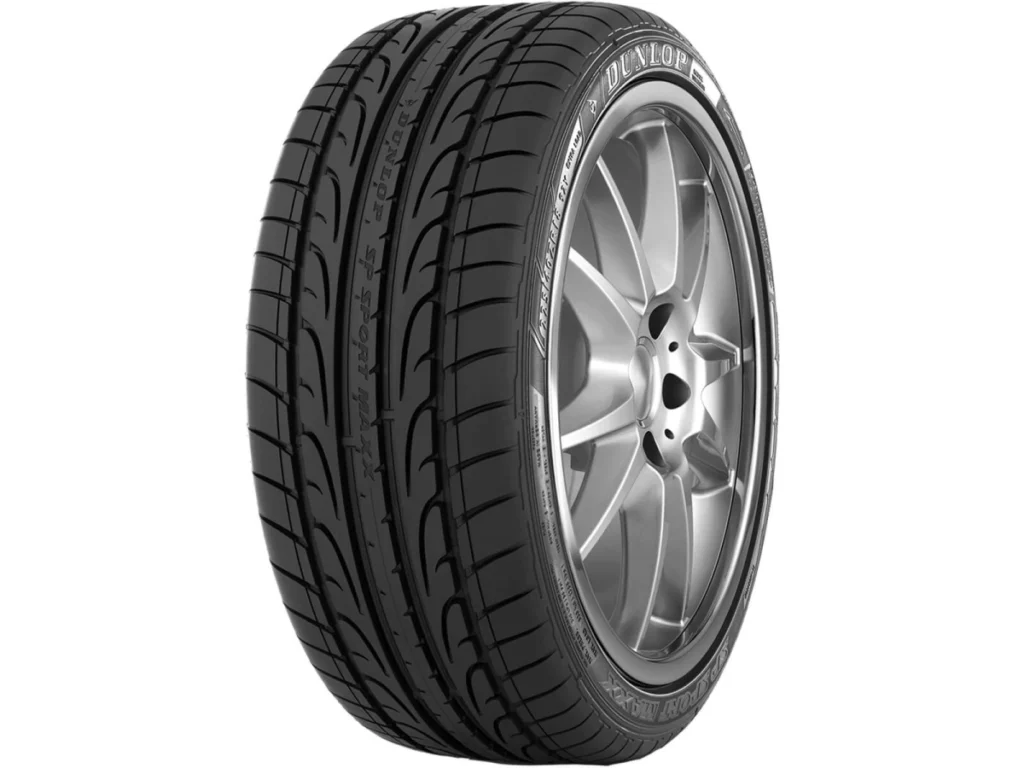
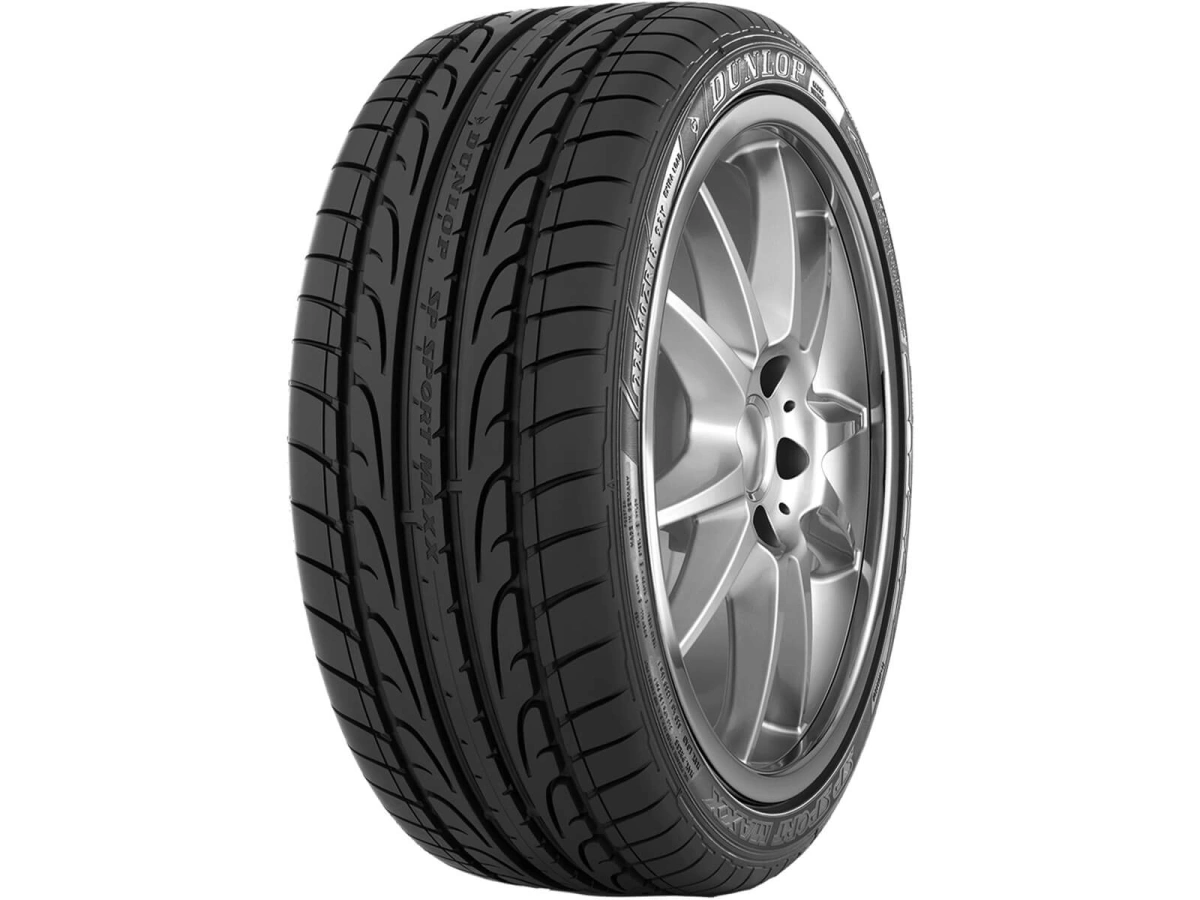
Performance Tyres for Sports Cars: When it comes to unlocking the true potential of a high-powered vehicle, nothing plays a more critical role than the tyres. Performance tyres for sports cars are not simply rubber wrapped around alloy wheels — they are precision-engineered components designed to translate horsepower into grip, acceleration into motion, and braking force into controlled stopping power. For drivers who demand precision, speed, and confidence, choosing the right performance tyres for sports cars is essential.
Hot Tyres understands that sports car owners expect more than standard solutions. They want sharper cornering, enhanced stability at high speeds, improved traction under hard acceleration, and predictable braking performance. This comprehensive guide explores everything you need to know about performance tyres for sports cars — from compound technology and tread design to heat management, handling dynamics, installation considerations, and long-term maintenance.
Whether you drive a turbocharged coupe, a naturally aspirated track-inspired machine, or a luxury sports sedan, investing in the right tyres ensures your vehicle performs exactly as it was engineered to.
Understanding Performance Tyres for Sports Cars
Performance tyres for sports cars are specifically engineered to handle higher speeds, increased cornering forces, and aggressive driving styles. Unlike standard touring tyres, performance variants use advanced rubber compounds, reinforced internal structures, and optimised tread patterns to maximise road contact.
Sports cars produce greater torque and horsepower than regular passenger vehicles. This power must be effectively transferred to the road surface. Without properly designed tyres, even the most advanced sports car will struggle to deliver consistent grip and stability.
Performance tyres are typically categorised into several types:
- Ultra-high-performance (UHP) street tyres
- Max performance summer tyres
- Track-focused semi-slick tyres
- Extreme performance competition tyres
Each category is designed for specific driving conditions, but all share the core objective of delivering superior traction and responsiveness.
The Science Behind Grip and Traction
Grip is the foundation of performance. When a tyre makes contact with the road, microscopic interactions occur between the rubber compound and the asphalt surface. Performance tyres for sports cars use specially formulated compounds that maximise these interactions.
The key elements influencing grip include:
- Rubber compound softness
- Surface contact area
- Tread block rigidity
- Heat generation and dissipation
Softer compounds typically offer higher grip levels because they conform more closely to road irregularities. However, softer compounds may wear faster. Performance tyres for sports cars balance grip with durability, ensuring drivers can enjoy enhanced handling without excessive tread wear.
Heat Management and Performance
Heat plays a central role in tyre performance. During aggressive driving, friction between the tyre and road generates significant heat. Performance tyres for sports cars are engineered to operate optimally within specific temperature ranges.
When tyres are too cold, grip levels decrease. When overheated, compounds may become greasy or lose structural integrity. High-performance tyres incorporate advanced silica blends and reinforced construction to manage heat effectively.
For spirited road driving or track days, maintaining proper tyre temperature ensures consistent performance lap after lap.
Tread Design and Contact Patch Optimization
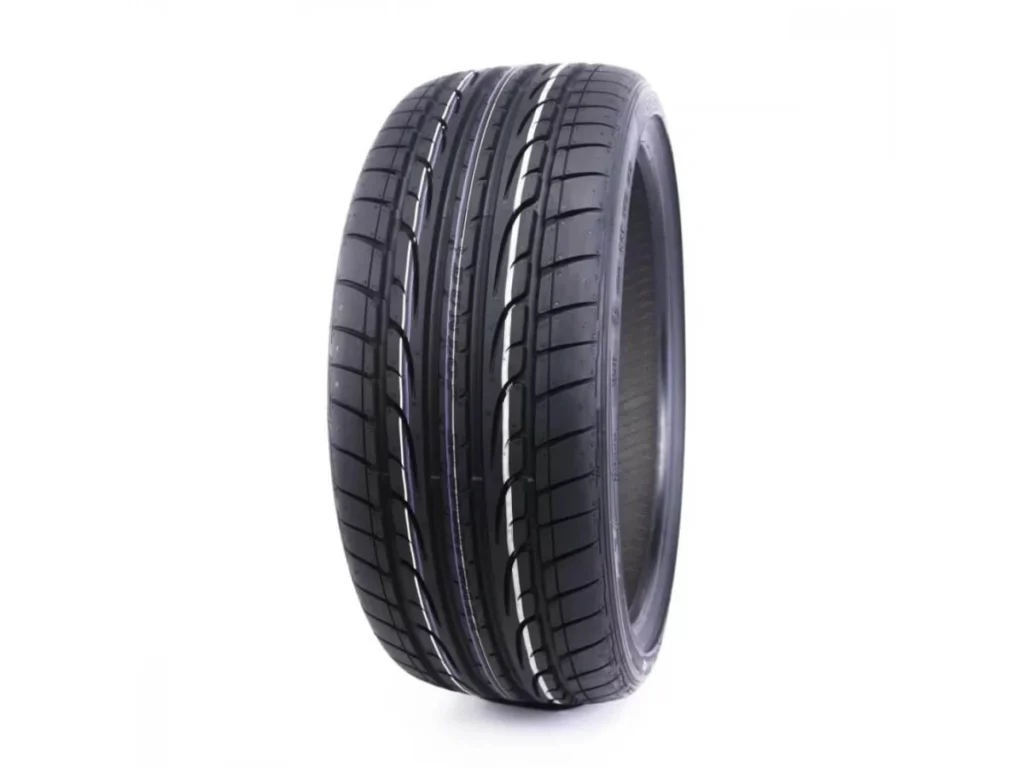
The tread pattern of performance tyres for sports cars directly influences handling characteristics. Unlike touring tyres with deep grooves and multiple sipes, performance tyres often feature larger tread blocks and fewer channels.
Key design elements include:
- Wide shoulder blocks for cornering stability
- Continuous centre ribs for straight-line tracking
- Strategic grooves for water evacuation
- Reduced void ratio to maximise dry contact area
The contact patch — the portion of tyre touching the road — must remain stable during acceleration, braking, and cornering. Reinforced sidewalls help maintain this shape under load.
Dry Performance and Cornering Precision
Dry grip is where performance tyres for sports cars truly excel. During high-speed cornering, lateral forces push tyres to their limits. Enhanced shoulder stiffness and specialised compounds prevent excessive deformation.
Drivers experience:
- Sharper steering response
- Reduced understeer
- Improved stability during quick transitions
- Greater confidence at higher speeds
Hot Tyres recognises that sports car owners value precise steering feel. Proper tyre selection ensures the steering wheel becomes an extension of the driver’s intent.
Wet Weather Performance Considerations
While dry grip is paramount, wet performance remains crucial. High-powered sports cars can become unpredictable if tyres fail to disperse water effectively.
Performance tyres for sports cars integrate circumferential grooves and angled channels to prevent hydroplaning. Advanced compounds maintain traction even when surfaces are damp.
Although extreme track-oriented tyres may sacrifice some wet performance, street-focused performance tyres maintain a balanced approach suitable for varied conditions.
Speed Ratings and Load Index
Sports cars often demand higher speed ratings. Performance tyres for sports cars typically feature ratings such as:
- W (up to 270 km/h)
- Y (up to 300 km/h)
- (Y) for speeds exceeding 300 km/h
Load index ratings must also match vehicle specifications. Choosing the correct rating ensures structural integrity at high speeds.
Hot Tyres assists drivers in selecting tyres that meet or exceed manufacturer recommendations.
Sidewall Construction and Steering Feedback
Sidewall stiffness directly affects steering response. Performance tyres for sports cars use reinforced sidewalls to reduce flex during cornering.
Benefits include:
- Immediate steering input response
- Reduced body roll sensation
- Enhanced directional stability
However, stiffer sidewalls may produce a firmer ride. Sports car drivers typically prioritise performance over comfort.
Compound Technology and Longevity
Modern compound technology blends natural and synthetic rubbers with silica and carbon black. Performance tyres for sports cars rely on these formulations to balance grip and durability.
Advanced silica compounds improve wet traction while maintaining dry grip. Heat-resistant polymers enhance stability under sustained high-speed driving.
While high-performance tyres may not last as long as touring tyres, they deliver unmatched driving dynamics.
Track Day vs Street Driving Tyres
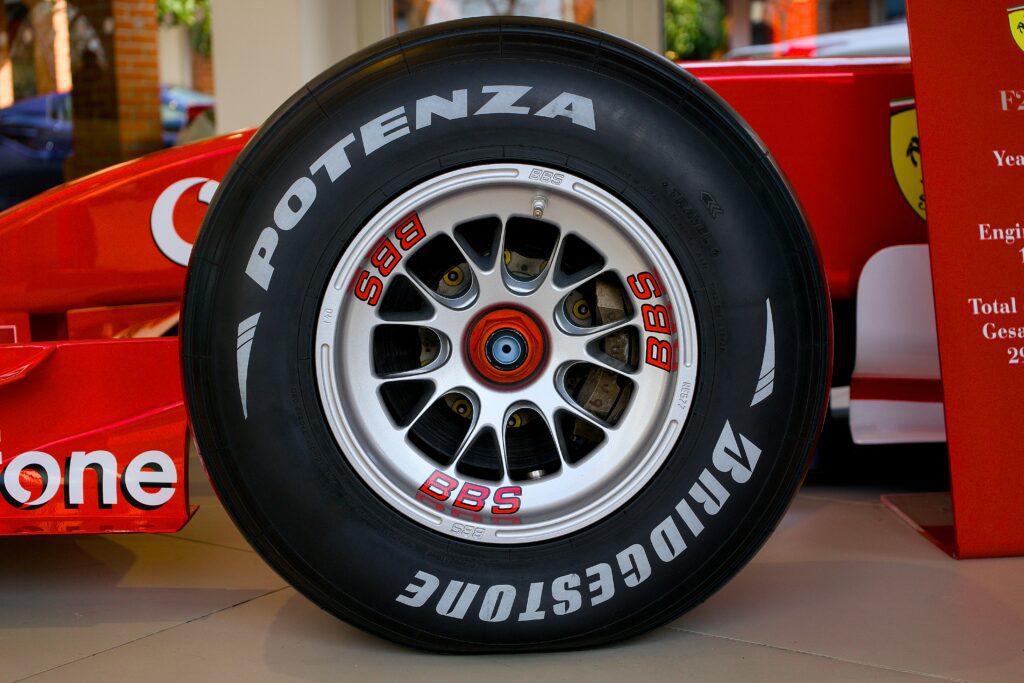
Drivers must distinguish between street-legal performance tyres and track-focused options. Performance tyres for sports cars designed for daily use provide a blend of comfort, durability, and grip.
Track-oriented tyres prioritise maximum traction but may:
- Wear rapidly
- Produce more road noise
- Offer reduced wet traction
Hot Tyres can guide customers toward the right balance based on driving habits.
Wheel Alignment and Performance
Even the best tyres cannot perform optimally without proper alignment. Sports cars often run aggressive camber and toe settings to enhance handling.
Correct alignment ensures:
- Even tread wear
- Consistent grip across the contact patch
- Improved braking stability
Performance tyres for sports cars benefit significantly from precision alignment.
Tyre Pressure and Handling Dynamics
Tyre pressure affects every aspect of performance. Underinflation increases sidewall flex and heat buildup. Overinflation reduces contact area and grip.
Sports car owners should monitor pressures regularly, especially before spirited driving. Proper inflation optimises the performance characteristics of high-end tyres.
Acceleration and Traction Control
High torque output can overwhelm standard tyres. Performance tyres for sports cars feature enhanced traction capabilities that help manage power delivery.
Improved traction:
- Reduces wheel spin
- Enhances launch performance
- Improves corner exit acceleration
Modern vehicles with traction control systems rely heavily on tyre grip for accurate intervention.
Braking Performance and Safety
Shorter braking distances are a critical benefit of performance tyres for sports cars. Enhanced grip increases friction between tyre and road, reducing stopping distance.
High-speed braking stability prevents rear-end instability and maintains directional control.
Safety remains paramount, even in high-performance applications.
Tyre Rotation and Maintenance
While sports car tyres may wear unevenly due to performance driving, regular rotation extends lifespan where possible.
Maintenance includes:
- Checking tread depth
- Inspecting for sidewall damage
- Monitoring pressure levels
- Ensuring proper wheel balance
Hot Tyres provides professional fitting and balancing to maximise tyre longevity.
Noise and Ride Comfort
Performance tyres often generate more road noise due to aggressive tread patterns. However, modern engineering has reduced this drawback significantly.
Drivers can expect a firmer ride compared to touring tyres. The trade-off is superior handling precision.
Aesthetic Appeal and Fitment
Sports cars demand tyres that complement aggressive styling. Performance tyres for sports cars are available in low-profile configurations that enhance visual appeal.
Proper fitment ensures:
- Correct wheel clearance
- Optimal stance
- Balanced weight distribution
Selecting the right size enhances both aesthetics and performance.
Seasonal Considerations
Summer-focused performance tyres excel in warm temperatures. In cooler climates, grip levels may decrease.
Drivers in moderate climates can use summer performance tyres year-round. However, in colder regions, alternative seasonal tyres may be necessary.
Technological Advancements in Tyre Manufacturing
Innovations in tyre design include:
- Computer-optimised tread patterns
- Advanced polymer blends
- Reinforced steel belts
- Improved curing processes
These advancements enhance the reliability and performance of modern tyres.
Hot Tyres remains informed about the latest developments to provide suitable recommendations.
Cost vs Performance Investment
Performance tyres for sports cars represent an investment in driving experience. While premium options may cost more, they deliver measurable benefits in grip, braking, and handling.
Drivers should consider:
- Driving frequency
- Performance expectations
- Budget constraints
- Vehicle power output
Selecting the right tyre ensures maximum return on investment.
Choosing the Right Tyres with Hot Tyres
Hot Tyres offers a curated range of performance tyres for sports cars suited to various driving styles. Professional technicians assist with selection, installation, and maintenance.
Their expertise ensures:
- Correct sizing
- Proper balancing
- Accurate fitment
- Performance optimisation
Working with specialists eliminates guesswork.
Long-Term Value and Driving Enjoyment | Performance Tyres for Sports Cars
Ultimately, performance tyres for sports cars transform the driving experience. They unlock sharper handling, improved acceleration, and greater braking confidence.
With proper care and professional installation, high-performance tyres deliver consistent results. Hot Tyres supports sports car enthusiasts with quality options designed to match their passion for performance.
Choosing the right tyres is not just about speed — it is about control, precision, and safety. When matched correctly to your vehicle and driving style, performance tyres elevate every journey from ordinary to exhilarating.
Contact Us:
74 Belmore Rd North, Riverwood NSW 2210
(+61) – (02) 9533 6138
hottyres74@gmail.com
Sydney, NSW, Australia
Frequently Asked Questions About Performance Tyres for Sports Cars
1. What are performance tyres for sports cars?
Performance tyres for sports cars are specially engineered tyres designed to handle higher speeds, sharper cornering, and increased braking forces. They use advanced rubber compounds and reinforced internal construction to maximise grip and stability. These tyres provide enhanced steering response compared to standard touring tyres. They are ideal for drivers who prioritise precision and dynamic handling.
2. How are performance tyres different from regular tyres?
Performance tyres use softer, high-grip compounds and stiffer sidewalls to improve traction and responsiveness. Regular tyres focus more on comfort, fuel efficiency, and longevity. Performance options sacrifice some tread life for better grip and control. This makes them more suitable for sports and high-powered vehicles.
3. Are performance tyres suitable for daily driving?
Yes, many performance tyres are designed for both spirited driving and everyday use. Street-focused performance tyres balance comfort with grip. However, they may wear faster than standard tyres. Choosing the right type ensures practical usability without sacrificing driving enjoyment.
4. Do performance tyres improve handling?
Performance tyres significantly improve handling by increasing traction and reducing sidewall flex. This results in sharper steering input and better cornering stability. Drivers often notice more precise feedback from the road. The overall driving experience becomes more controlled and engaging.
5. What is the ideal temperature range for performance tyres?
Performance tyres typically operate best in warm to hot temperatures. Their rubber compounds are optimised for higher surface temperatures. In colder conditions, they may lose some flexibility and grip. Drivers should consider climate when selecting tyre types.
6. How long do performance tyres last?
The lifespan of performance tyres depends on driving style and road conditions. On average, they may last between 20,000 and 40,000 kilometres. Aggressive driving and track use reduce longevity. Regular maintenance helps extend their usable life.
7. Are performance tyres safe in wet conditions?
Many modern performance tyres include advanced water-channeling tread patterns. These designs help reduce hydroplaning risk. While they excel in dry conditions, they can still perform reliably in rain. Adequate tread depth is crucial for wet safety.
8. Do performance tyres reduce braking distance?
Yes, improved grip allows for shorter braking distances. The enhanced traction increases friction between tyre and road. This results in more effective stopping power. Braking stability also improves at higher speeds.
9. What does speed rating mean on performance tyres?
Speed rating indicates the maximum safe speed a tyre can sustain. Performance tyres often carry W, Y, or (Y) ratings. These ratings match the capabilities of sports cars. Selecting the correct rating ensures safe high-speed driving.
10. Are performance tyres louder than regular tyres?
Performance tyres may generate slightly more road noise due to aggressive tread patterns. However, advancements in design have reduced this difference. Many drivers consider the trade-off worthwhile for improved grip. Noise levels vary between brands and models.
11. Do performance tyres improve acceleration?
Improved traction allows power to transfer more effectively to the road. This enhances launch performance and reduces wheel spin. Acceleration becomes smoother and more controlled. High-torque sports cars benefit significantly from quality tyres.
12. Can I use performance tyres year-round?
In warm climates, summer performance tyres can be used year-round. In colder regions, their grip may decrease. Some drivers switch to all-season or winter tyres during colder months. Climate plays a key role in tyre selection.
13. What is a contact patch?
The contact patch is the portion of the tyre touching the road. A stable and optimised contact patch maximises grip. Performance tyres maintain this shape during cornering and braking. Reinforced sidewalls help preserve contact under load.
14. Do performance tyres wear unevenly?
Uneven wear can occur if alignment or pressure is incorrect. Aggressive driving also accelerates shoulder wear. Regular inspections and alignment checks prevent premature wear. Proper maintenance ensures consistent performance.
15. Are performance tyres expensive?
Performance tyres generally cost more than standard tyres. This reflects their advanced compounds and construction. However, they offer measurable improvements in handling and safety. Many drivers consider them a worthwhile investment.
16. Can I mix performance tyres with regular tyres?
Mixing tyre types is not recommended, especially on the same axle. Differences in grip levels can affect vehicle balance. For optimal performance, all four tyres should match. Consistency improves stability and predictability.
17. How often should I check tyre pressure?
Tyre pressure should be checked at least once a month. Sports cars may require more frequent checks, especially before spirited driving. Proper pressure ensures optimal contact and heat management. Incorrect pressure can reduce grip and increase wear.
18. Do performance tyres improve cornering?
Yes, performance tyres are specifically designed for enhanced cornering stability. Stiff sidewalls reduce flex during lateral forces. This allows for more precise steering input. Drivers experience improved confidence in tight turns.
19. What are ultra-high-performance tyres?
Ultra-high-performance tyres are designed for maximum road grip at high speeds. They feature advanced compounds and reinforced structures. These tyres deliver exceptional handling for sports cars. They are ideal for drivers who demand peak performance.
20. Are track tyres different from street performance tyres?
Yes, track tyres prioritise maximum dry grip over durability and comfort. They may wear quickly and perform poorly in heavy rain. Street performance tyres balance grip with everyday usability. Drivers should choose based on intended use.
21. Does tyre width affect performance?
Wider tyres typically increase contact area and grip. This enhances cornering and braking performance. However, they may reduce fuel efficiency slightly. Proper sizing ensures compatibility with the vehicle.
22. Can performance tyres improve fuel efficiency?
While not designed primarily for efficiency, some modern performance tyres reduce rolling resistance. Proper inflation also improves economy. However, grip and handling remain their primary focus. Fuel savings may vary depending on driving habits.
23. How do performance tyres handle heat?
They are engineered to operate within higher temperature ranges. Advanced compounds resist overheating under aggressive driving. Effective heat management ensures consistent grip. Excessive overheating can still reduce lifespan.
24. Do I need wheel alignment with new tyres?
Yes, proper alignment ensures even wear and optimal handling. Misalignment can reduce tyre lifespan significantly. It also affects steering precision. Alignment should always be checked when installing new tyres.
25. Are low-profile tyres better for sports cars?
Low-profile tyres improve steering response and handling precision. They reduce sidewall flex during cornering. However, they may provide a firmer ride. Many sports cars are designed for low-profile fitments.
26. Can performance tyres handle high horsepower vehicles?
Yes, they are specifically designed for powerful cars. Reinforced construction supports increased torque and speed. They improve traction under acceleration. Choosing the correct load and speed rating is essential.
27. Do performance tyres affect ride comfort?
Performance tyres often provide a firmer ride due to stiffer sidewalls. This enhances control and feedback. Comfort may be slightly reduced compared to touring tyres. Sports car drivers typically prioritise performance over softness.
28. How do I choose the right performance tyre?
Consider driving style, climate, and vehicle specifications. Determine whether you need street-focused or track-oriented tyres. Ensure the speed rating matches your car’s capability. Consulting tyre specialists helps make an informed decision.
29. What causes performance tyres to wear quickly?
Aggressive driving, hard braking, and high-speed cornering increase wear. Incorrect pressure and poor alignment also contribute. Softer compounds naturally wear faster than touring tyres. Responsible driving extends lifespan.
30. Are performance tyres suitable for long road trips?
Yes, many street-focused performance tyres handle long distances comfortably. Proper inflation and maintenance ensure safety. While they may produce slightly more noise, they provide stable highway performance. Drivers can enjoy both comfort and control.
31. Do performance tyres require special maintenance?
Maintenance is similar to regular tyres but may require closer monitoring. Pressure checks and alignment are particularly important. Frequent inspections help detect uneven wear early. Proper care ensures optimal performance.
32. What is rolling resistance in performance tyres?
Rolling resistance is the energy required for a tyre to move. Performance tyres may prioritise grip over minimal resistance. However, modern designs balance both factors. Lower resistance can slightly improve fuel efficiency.
33. How do reinforced sidewalls help?
Reinforced sidewalls reduce flex during high-speed cornering. This improves steering precision and stability. They also help maintain contact patch shape. The result is more predictable handling.
34. Should all four tyres be replaced at once?
Replacing all four tyres ensures balanced grip and performance. Uneven tread depths can affect stability. If replacing only two, they should typically be fitted to the rear axle. Uniformity improves overall safety.
35. Why are performance tyres important for sports cars?
Sports cars generate higher speeds and stronger forces than regular vehicles. Performance tyres ensure this power is controlled safely. They enhance handling, braking, and acceleration. Without proper tyres, a sports car cannot reach its full potential.
Contact Us:
74 Belmore Rd North, Riverwood NSW 2210
(+61) – (02) 9533 6138
hottyres74@gmail.com
Sydney, NSW, Australia