
Table of Contents
Tyre Inflation Service in Sydney: Hot Tyres
Professional Tyre Inflation Service in Sydney for Safety, Performance, and Efficiency
Maintaining correct tyre pressure is one of the most important yet frequently overlooked aspects of vehicle maintenance. A professional tyre inflation service in Sydney ensures that your tyres operate at optimal pressure levels for safety, fuel efficiency, comfort, and longevity. At Hot Tyres in Riverwood, motorists receive precision tyre pressure checks and adjustments using advanced calibrated equipment designed to meet manufacturer specifications. Proper inflation is not simply about adding air; it involves understanding load ratings, tyre sizes, seasonal temperature variations, and manufacturer recommendations.
Driving with incorrect tyre pressure can compromise braking performance, steering response, and overall vehicle stability. Underinflated tyres increase rolling resistance, causing higher fuel consumption and uneven tread wear. Overinflated tyres reduce the contact patch with the road, affecting grip and increasing the risk of sudden tyre damage. With expert tyre inflation service in Sydney, drivers can confidently travel knowing their tyres are adjusted to precise standards that suit both vehicle and road conditions.
Hot Tyres provides comprehensive tyre care solutions that include accurate pressure measurement, nitrogen inflation options, valve inspection, leak detection, and pressure monitoring system checks. Every vehicle receives individual attention to ensure correct inflation levels based on manufacturer specifications and real-world driving requirements across Sydney’s diverse road networks.
Why Proper Tyre Inflation Matters
Safety on Sydney Roads
Sydney’s road conditions range from busy city streets and motorways to suburban neighbourhoods and industrial areas. Proper tyre pressure plays a critical role in maintaining safe traction and predictable handling. A tyre inflation service in Sydney helps reduce the likelihood of blowouts, hydroplaning, and uneven braking performance.
Underinflated tyres generate excessive heat due to increased sidewall flexing. This heat buildup can weaken tyre structure and increase the risk of sudden failure. Conversely, overinflated tyres may be more susceptible to impact damage from potholes or road debris. By ensuring optimal pressure levels, Hot Tyres helps drivers maintain safe vehicle control in varying traffic and weather conditions.
Improved Fuel Efficiency
Fuel prices and environmental concerns continue to influence driving habits. Incorrect tyre pressure directly impacts fuel consumption. Underinflated tyres create more rolling resistance, forcing the engine to work harder. This results in higher fuel usage and increased emissions.
A professional tyre inflation service in Sydney ensures that tyres are set to manufacturer-recommended pressure levels, improving efficiency and reducing operational costs. Even a small pressure deviation can lead to measurable fuel wastage over time. Routine pressure checks are a cost-effective way to maintain vehicle economy.
Extended Tyre Lifespan
Tyres represent a significant investment for vehicle owners. Incorrect pressure leads to uneven tread wear, reducing overall lifespan. Underinflation typically causes excessive wear on outer edges, while overinflation results in centre tread wear.
Hot Tyres conducts precise tyre inflation service in Sydney to promote even tread distribution. Balanced pressure supports uniform contact with the road, extending tyre durability and delaying replacement needs. This proactive approach helps drivers maximise return on their tyre investment.
Comprehensive Tyre Pressure Assessment Process
Accurate Pressure Measurement
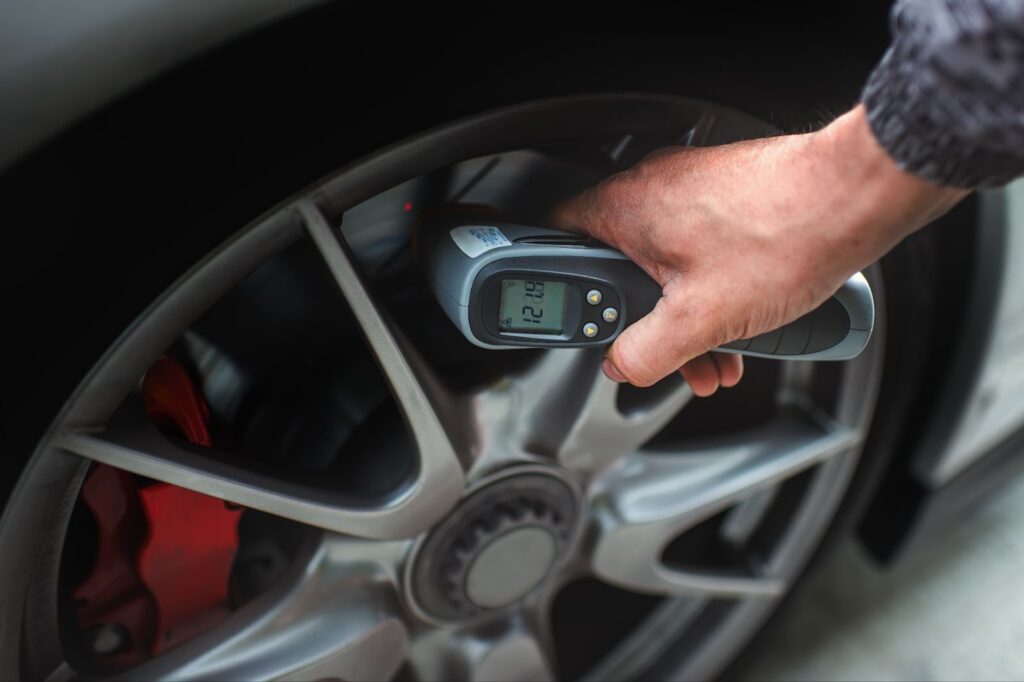
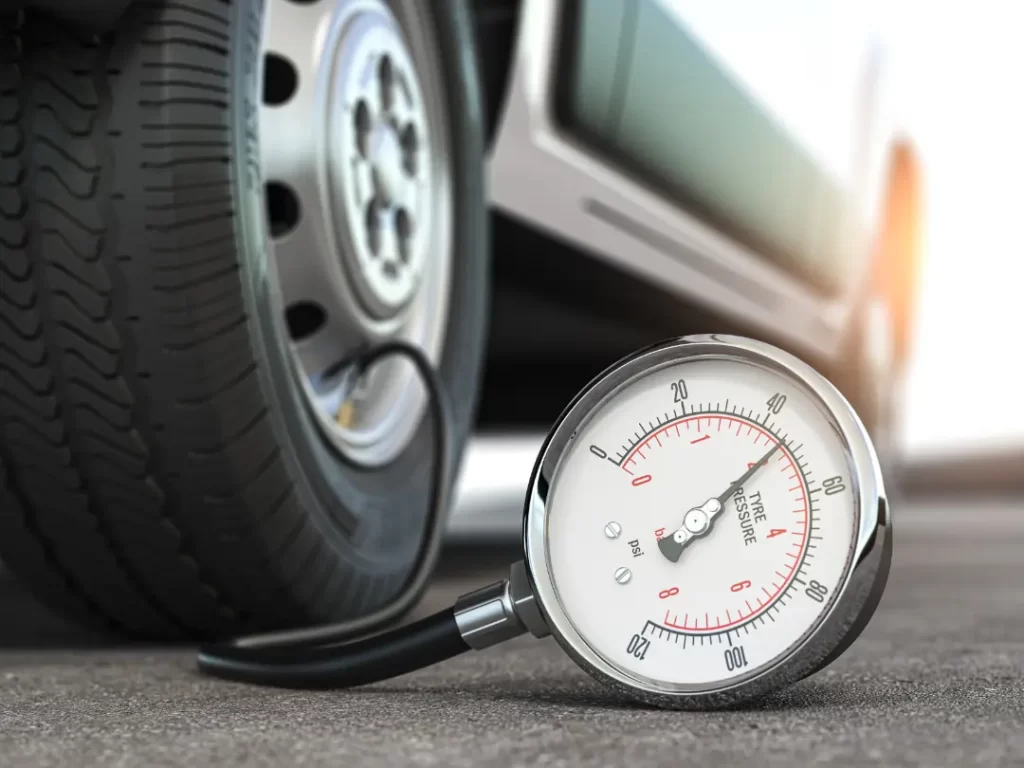
Professional tyre pressure assessment begins with calibrated digital gauges designed to provide exact readings. Unlike basic service station air pumps, professional equipment ensures accuracy down to precise PSI levels. Technicians at Hot Tyres measure pressure when tyres are cold, which provides the most reliable reading.
Temperature changes can significantly affect pressure. For every 10-degree Celsius change in temperature, tyre pressure can fluctuate by approximately one PSI. Sydney’s seasonal variations make regular pressure checks essential. The tyre inflation service in Sydney accounts for these environmental influences to maintain optimal performance.
Manufacturer Specification Compliance
Every vehicle has recommended tyre pressure levels specified by the manufacturer. These recommendations consider load capacity, tyre size, suspension design, and performance characteristics. During a tyre inflation service in Sydney, technicians refer to manufacturer guidelines to determine the correct PSI range for each vehicle.
This ensures compliance with safety standards and maintains the intended handling dynamics of the vehicle. Proper inflation also supports warranty requirements and manufacturer performance expectations.
Valve and Cap Inspection
Tyre valves and caps play a crucial role in maintaining pressure stability. Damaged or worn valve stems can cause slow air leaks, leading to gradual pressure loss. During tyre inflation service in Sydney, technicians inspect valve integrity and replace faulty components when necessary.
Small leaks often go unnoticed by drivers until performance issues arise. Routine inspection ensures airtight sealing and long-term pressure stability.
Nitrogen Inflation Options
Advantages of Nitrogen Inflation
In addition to standard compressed air, Hot Tyres offers nitrogen inflation as part of its tyre inflation service in Sydney. Nitrogen molecules are larger than oxygen molecules, which reduces the rate of pressure loss through permeation. This results in more stable tyre pressure over extended periods.
Nitrogen also contains less moisture compared to regular air. Reduced moisture minimises internal corrosion of wheels and tyre components. For drivers seeking consistent pressure stability and improved longevity, nitrogen inflation provides an advanced solution.
Consistent Performance in Changing Temperatures
Nitrogen-inflated tyres tend to maintain pressure more consistently across temperature changes. While all gases expand and contract with temperature fluctuations, nitrogen’s lower moisture content contributes to improved stability.
Sydney drivers who frequently travel between coastal and inland areas can benefit from this enhanced consistency. The tyre inflation service in Sydney includes expert guidance on whether nitrogen is suitable for specific driving needs.
Tyre Pressure Monitoring System (TPMS) Support
Understanding TPMS Technology
Modern vehicles are often equipped with Tyre Pressure Monitoring Systems that alert drivers to pressure irregularities. While TPMS provides valuable warnings, it does not replace professional inspection. Sensors can occasionally malfunction or require recalibration.
Hot Tyres incorporates TPMS checks within its tyre inflation service in Sydney. Technicians verify sensor accuracy and reset systems after pressure adjustments. This ensures that dashboard alerts reflect true tyre conditions.
Sensor Maintenance and Calibration
TPMS sensors are delicate components mounted within wheel assemblies. During tyre inflation service in Sydney, technicians assess sensor condition and battery life where applicable. Proper calibration ensures reliable monitoring and early detection of potential pressure issues.
Maintaining functional TPMS enhances overall vehicle safety and supports compliance with road safety standards.
The Impact of Underinflation
Increased Wear and Heat Buildup
Underinflated tyres experience excessive sidewall flexing. This flex generates heat, weakening structural integrity over time. Continuous heat buildup can lead to blowouts or irreversible internal damage.
A routine tyre inflation service in Sydney helps prevent these risks by maintaining optimal PSI levels. Regular checks reduce the likelihood of heat-related failures and improve overall tyre reliability.
Compromised Handling and Braking
Low pressure reduces steering precision and increases stopping distances. The vehicle may feel sluggish or unstable during cornering. Emergency braking performance may also decline due to reduced road contact efficiency.
Professional tyre inflation service in Sydney ensures balanced pressure across all tyres, restoring predictable handling and improved braking performance.
The Risks of Overinflation
Reduced Traction
Overinflated tyres create a smaller contact patch with the road surface. This can reduce traction, particularly in wet conditions. A smaller footprint means less grip, which may affect cornering stability and braking response.
Tyre inflation service in Sydney corrects excessive pressure levels to ensure optimal road contact and balanced performance.
Increased Impact Vulnerability
Excessively high pressure makes tyres more rigid. This rigidity reduces shock absorption, increasing susceptibility to damage from potholes or debris. Proper inflation maintains a balance between firmness and flexibility.
Routine tyre inflation service in Sydney prevents these risks and supports smooth driving comfort.
Fleet and Commercial Vehicle Tyre Inflation
Supporting Business Efficiency
Commercial vehicles, delivery vans, and fleet cars require consistent tyre maintenance to operate efficiently. Incorrect pressure increases fuel costs and downtime due to premature tyre wear.
Hot Tyres offers tyre inflation service in Sydney tailored to fleet operators. Regular scheduled checks ensure that all vehicles maintain consistent pressure standards, improving operational reliability.
Load-Specific Pressure Adjustments
Commercial vehicles often carry varying loads. Pressure requirements may differ based on weight distribution. During tyre inflation service in Sydney, technicians adjust PSI levels according to manufacturer load guidelines, ensuring safe and efficient transport.
Seasonal Considerations in Sydney
Temperature Variations
Sydney experiences seasonal temperature changes that affect tyre pressure. Cooler winter mornings can cause pressure drops, while hot summer days may increase PSI levels.
Routine tyre inflation service in Sydney accounts for these fluctuations, ensuring year-round stability. Regular monitoring prevents seasonal underinflation or overinflation issues.
Long-Distance Travel Preparation
Drivers planning road trips or highway travel should schedule a tyre inflation service in Sydney beforehand. Long-distance driving generates sustained heat and stress on tyres. Correct pressure ensures safe and efficient travel, reducing risks during extended journeys.
Integration with Other Tyre Services
Wheel Balancing
While tyre inflation is crucial, it works best when combined with wheel balancing. Properly balanced wheels prevent vibration and uneven wear. Hot Tyres integrates balancing services alongside tyre inflation service in Sydney to provide comprehensive tyre care.
Wheel Alignment
Misaligned wheels cause uneven wear regardless of correct pressure. Tyre inflation service in Sydney may include alignment recommendations if technicians identify irregular tread patterns. Addressing alignment ensures that pressure adjustments achieve optimal results.
Tyre Rotation
Rotating tyres promotes even wear distribution. Combined with regular tyre inflation service in Sydney, rotation maximises tread life and maintains consistent handling characteristics.
Why Choose Hot Tyres for Tyre Inflation Service in Sydney
Hot Tyres combines technical expertise, advanced equipment, and customer-focused service to deliver reliable tyre inflation solutions. Located in Riverwood, the facility serves motorists throughout Sydney with precision and professionalism.
Technicians are trained to assess tyre condition comprehensively, not just inflate tyres. Every tyre inflation service in Sydney includes detailed inspection, pressure calibration, valve checks, and professional recommendations tailored to each vehicle.
Customer convenience, transparent service processes, and commitment to safety define the approach at Hot Tyres. By maintaining optimal tyre pressure, drivers enhance vehicle efficiency, extend tyre lifespan, and reduce safety risks.
Commitment to Road Safety and Performance
Tyre pressure may seem like a minor detail, but it significantly influences vehicle safety, handling, and efficiency. A professional tyre inflation service in Sydney ensures that every journey begins with optimal tyre performance.
Hot Tyres continues to provide expert tyre care services designed to support Sydney motorists across urban roads, highways, and commercial routes. Through precision equipment, skilled technicians, and comprehensive inspections, every vehicle receives the attention necessary for safe and efficient driving.
Maintaining correct tyre pressure is one of the simplest yet most powerful steps in responsible vehicle ownership. With dedicated tyre inflation service in Sydney, drivers gain peace of mind knowing their tyres are prepared for every road condition and driving demand.
Contact Us:
74 Belmore Rd North, Riverwood NSW 2210
(+61) – (02) 9533 6138
hottyres74@gmail.com
Sydney, NSW, Australia
Frequently Asked Questions About Tyre Inflation Service in Sydney
1. Why is regular tyre inflation important for my vehicle?
Regular tyre inflation is essential because correct air pressure directly affects safety, fuel efficiency, and tyre longevity. When tyres are inflated to the proper level, they maintain optimal contact with the road surface. This ensures better braking performance, smoother handling, and improved stability. Underinflated tyres can overheat and wear out quickly, while overinflated tyres may reduce traction. Both conditions increase the risk of accidents and unnecessary expenses. Routine tyre inflation checks help prevent uneven tread wear and costly premature replacements. Maintaining correct pressure also contributes to a more comfortable and controlled driving experience.
2. How often should I check my tyre pressure?
It is generally recommended to check tyre pressure at least once a month. However, drivers who travel frequently or cover long distances may benefit from more frequent inspections. Temperature fluctuations can significantly impact tyre pressure, especially during seasonal changes. Even a small drop in temperature can reduce pressure levels. Checking before long trips is particularly important for safety. Regular inspections help detect slow leaks early. Consistent monitoring ensures your tyres remain within manufacturer-recommended pressure levels.
3. What happens if my tyres are underinflated?
Underinflated tyres create excessive friction between the tyre and the road. This friction generates heat, which can weaken the tyre’s internal structure over time. The increased rolling resistance also forces the engine to work harder, resulting in higher fuel consumption. Steering may feel less responsive, and braking distances may increase. Uneven wear typically appears along the outer edges of the tread. Prolonged underinflation can lead to blowouts in extreme cases. Addressing low pressure promptly improves safety and performance.
4. What are the risks of overinflated tyres?
Overinflated tyres have reduced contact with the road because the centre of the tread bears most of the load. This can lead to uneven wear in the middle section of the tyre. Reduced contact area may decrease traction, particularly in wet conditions. Overinflation also makes tyres more rigid, which reduces shock absorption. Drivers may notice a harsher ride and increased sensitivity to road imperfections. In some cases, overinflated tyres are more vulnerable to impact damage. Keeping pressure within recommended limits ensures balanced performance and comfort.
5. How do temperature changes affect tyre pressure?
Tyre pressure naturally changes with temperature fluctuations. For every 10 degrees Celsius change in temperature, pressure can shift by approximately one PSI. During colder mornings, pressure may drop, while hot weather can cause expansion. These variations are normal but require monitoring to maintain optimal levels. Drivers in Sydney may notice seasonal pressure differences. Checking pressure when tyres are cold provides the most accurate reading. Adjustments should always be made according to manufacturer specifications.
6. What is the correct tyre pressure for my vehicle?
The correct tyre pressure varies depending on the vehicle’s make and model. Manufacturer recommendations are usually found inside the driver’s door frame, in the owner’s manual, or near the fuel cap. These specifications are determined based on load capacity and performance design. It is important not to rely solely on the maximum PSI printed on the tyre sidewall. That number indicates the maximum allowable pressure, not the recommended operating pressure. Following manufacturer guidelines ensures safety and optimal performance. Professional technicians can confirm the correct levels during a service.
7. Is nitrogen better than regular air for tyre inflation?
Nitrogen is sometimes preferred because it maintains pressure stability longer than regular compressed air. The molecules in nitrogen are larger, which slows the rate of air leakage. Nitrogen also contains less moisture, reducing the risk of internal corrosion. This can result in more consistent pressure over time. However, regular air works effectively when tyres are maintained properly. The choice depends on driving needs and personal preference. Both options can provide reliable performance when properly monitored.
8. Can I inflate my tyres at a petrol station instead of visiting a professional service?
Petrol station air pumps are convenient for quick top-ups. However, they may not always provide the most accurate readings. Professional tyre inflation services use calibrated equipment for precise measurements. Technicians also inspect valves, caps, and tread condition during the process. A professional service ensures correct pressure tailored to your vehicle’s specifications. While self-inflation is possible, routine professional checks offer added assurance. Regular inspections help detect hidden issues beyond simple pressure adjustments.
9. How long does a tyre inflation service take?
A basic tyre inflation service is typically quick and efficient. In most cases, it takes only a few minutes per vehicle. However, the total time may vary if additional inspections or adjustments are required. If technicians detect uneven wear or alignment concerns, further assessment may be recommended. Even though the process is fast, its impact on safety and performance is significant. Routine visits minimise downtime and keep vehicles road-ready. Efficient service ensures convenience without compromising quality.
10. What is a Tyre Pressure Monitoring System (TPMS)?
A Tyre Pressure Monitoring System is an electronic system that alerts drivers when tyre pressure drops below recommended levels. It uses sensors located inside each wheel to measure air pressure. When pressure falls too low, a warning light appears on the dashboard. While TPMS provides helpful alerts, it does not replace manual checks. Sensors may occasionally require recalibration or maintenance. Professional services ensure that TPMS readings are accurate. Properly functioning systems enhance road safety and awareness.
11. Does proper tyre inflation improve fuel efficiency?
Yes, maintaining correct tyre pressure significantly improves fuel efficiency. Underinflated tyres create additional rolling resistance, causing the engine to consume more fuel. Even a slight drop in pressure can increase fuel usage over time. Proper inflation reduces strain on the engine and drivetrain. Improved efficiency not only lowers fuel costs but also reduces carbon emissions. Over time, consistent maintenance can lead to noticeable savings. This makes tyre inflation one of the simplest ways to enhance vehicle economy.
12. How does tyre pressure affect braking performance?
Tyre pressure directly influences braking effectiveness. When tyres are properly inflated, they maintain optimal contact with the road surface. This allows for better grip and shorter stopping distances. Underinflated tyres may cause delayed response during sudden braking. Overinflated tyres can reduce traction, particularly in wet conditions. Balanced pressure ensures even weight distribution during braking. Maintaining recommended PSI levels enhances overall driving control and safety.
13. Should tyre pressure be checked when tyres are hot or cold?
Tyre pressure should always be checked when tyres are cold. Driving generates heat, which temporarily increases internal pressure. Measuring pressure while tyres are hot may give inaccurate readings. It is best to check pressure in the morning before driving or after the vehicle has been stationary for several hours. Cold readings provide the most reliable data for adjustments. Technicians typically follow this practice during professional services. Accurate measurement ensures precise inflation levels.
14. Can incorrect tyre pressure affect wheel alignment?
While tyre pressure does not directly change wheel alignment, incorrect pressure can accelerate uneven wear patterns that resemble alignment issues. Underinflation or overinflation may cause irregular tread wear. This can sometimes mask underlying alignment problems. Regular pressure checks combined with alignment inspections provide comprehensive tyre care. Balanced pressure supports proper suspension performance. Addressing both factors ensures longer tyre life and improved handling.
15. Do commercial vehicles require different tyre pressure checks?
Yes, commercial vehicles often have different pressure requirements due to varying loads. Delivery vans and fleet vehicles may carry heavier cargo, which impacts PSI recommendations. Proper inflation ensures safe load handling and prevents excessive wear. Pressure may need adjustment depending on cargo weight. Professional services account for load-specific guidelines. Routine checks help maintain efficiency and reduce operational costs. Accurate inflation supports business reliability and road safety.
16. What are the signs of low tyre pressure while driving?
Common signs of low tyre pressure include sluggish steering response and a feeling of instability. Drivers may notice increased fuel consumption or uneven tyre wear. The vehicle might pull slightly to one side. A TPMS warning light may also appear on the dashboard. In some cases, tyres may appear visibly flatter than usual. Addressing these signs promptly prevents further damage. Professional inspection ensures accurate diagnosis and correction.
17. Can tyre pressure impact ride comfort?
Yes, tyre pressure significantly affects ride comfort. Overinflated tyres may create a stiff and bumpy driving experience. Underinflated tyres can feel soft and unstable. Properly inflated tyres balance firmness and flexibility for smoother rides. Correct pressure allows the suspension system to function as designed. Maintaining recommended PSI levels improves comfort on both city streets and highways. Regular checks ensure consistent driving quality.
18. Is tyre inflation service necessary for new tyres?
Yes, even new tyres require regular pressure checks. Although new tyres are installed with proper inflation, pressure can change over time. Environmental conditions and normal air loss may reduce PSI levels gradually. Routine monitoring ensures continued performance and safety. New tyres benefit from consistent maintenance just like older ones. Maintaining correct pressure protects your investment and extends lifespan.
19. Can improper tyre pressure cause tyre blowouts?
Improper tyre pressure increases the risk of blowouts. Underinflated tyres generate excessive heat, which weakens internal structure. Overinflated tyres are more susceptible to impact damage from road hazards. Both conditions compromise structural integrity over time. Maintaining recommended pressure reduces stress and prolongs tyre durability. Regular inspections minimise the likelihood of sudden failures. Preventative maintenance enhances overall driving safety.
20. Why should I choose professional tyre inflation services?
Professional tyre inflation services provide accurate pressure adjustments using calibrated equipment. Technicians ensure compliance with manufacturer specifications. They also inspect valves, tread condition, and overall tyre health. Professional assessment identifies hidden issues that may go unnoticed during self-checks. Routine service enhances safety, efficiency, and longevity. Expert care ensures balanced performance across all tyres. Investing in professional inflation services supports responsible vehicle maintenance and peace of mind.
Contact Us:
74 Belmore Rd North, Riverwood NSW 2210
(+61) – (02) 9533 6138
hottyres74@gmail.com
Sydney, NSW, Australia