
Wheel Tracking in Sydney
Table of Contents
- Wheel Tracking in Sydney: Hot Tyres
- Understanding Wheel Tracking and Why It Matters
- Key Alignment Angles Explained
- Why Sydney Roads Affect Wheel Alignment
- Signs You Need Wheel Tracking
- Benefits of Professional Wheel Tracking
- The Wheel Tracking Process at Hot Tyres
- Two-Wheel vs Four-Wheel Alignment
- How Often Should Wheel Tracking Be Performed?
- Wheel Tracking and New Tyres
- Impact on Suspension and Steering Components
- Wheel Tracking for Performance Vehicles
- Wheel Tracking for SUVs and 4WDs
- Alignment and Brake Performance
- Environmental and Economic Benefits
- Why Choose Professional Alignment Services
- Cost vs Long-Term Savings
- Wheel Tracking and Road Safety in Sydney
- The Importance of Ongoing Maintenance
- Conclusion
- Contact Us:
- Faqs on Wheel Tracking in Sydney by hot tyres:-
- Contact Us:
Wheel Tracking in Sydney: Hot Tyres
Wheel Tracking in Sydney: When it comes to vehicle safety, performance, and tyre longevity, wheel alignment plays a far more critical role than most drivers realise. Often referred to as alignment, wheel tracking ensures that your tyres meet the road at the correct angle, that your wheels are pointed straight, and that your suspension geometry is balanced according to manufacturer specifications. For drivers navigating busy roads, motorways, and suburban streets, professional wheel tracking in Sydney is essential for maintaining optimal control and preventing premature tyre wear.
At Hot Tyres in Riverwood, precision alignment services are tailored to Sydney’s unique road conditions. From potholes and speed bumps to heavy traffic and long-distance motorway travel, local driving environments can quickly throw wheel alignment out of specification. Investing in professional wheel tracking in Sydney protects your tyres, improves fuel efficiency, enhances safety, and delivers a smoother driving experience.
Understanding Wheel Tracking and Why It Matters
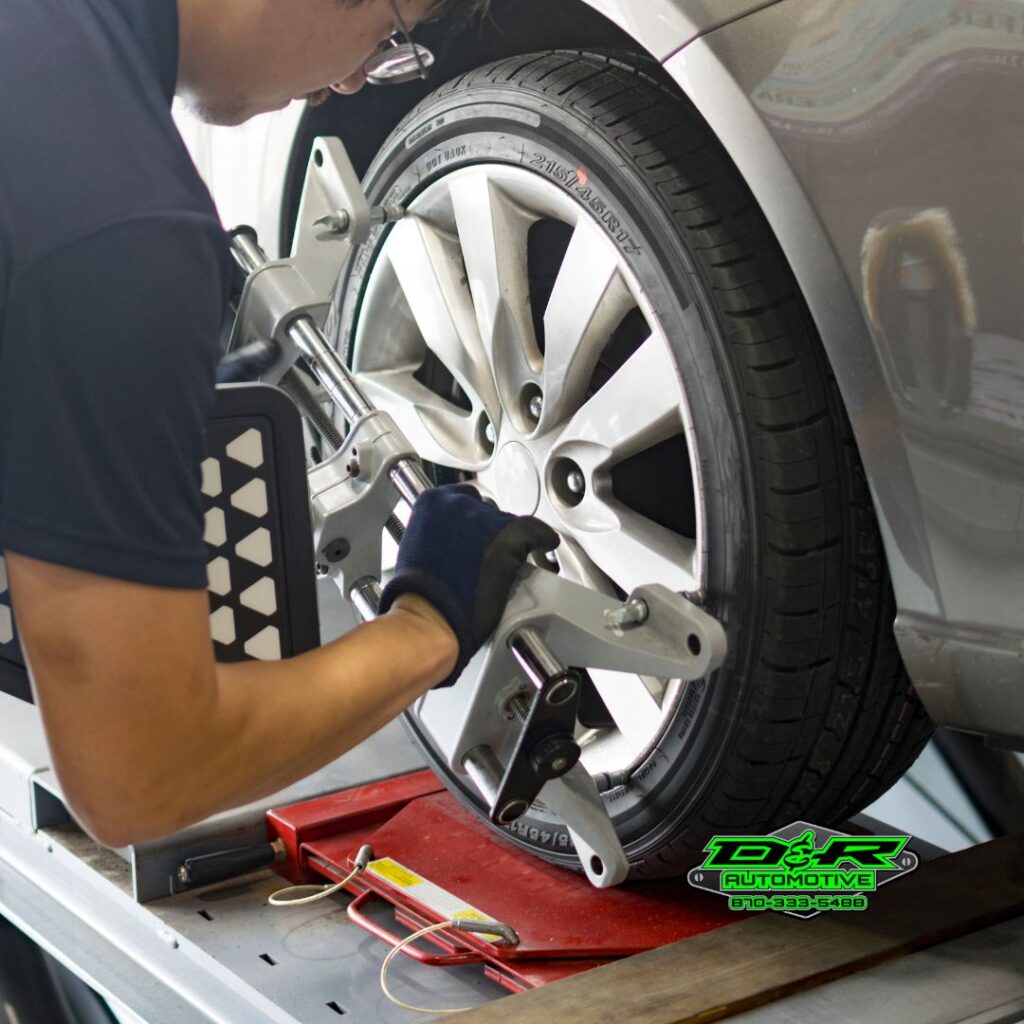
Wheel tracking refers to the adjustment of a vehicle’s suspension system to ensure all wheels are aligned correctly relative to each other and the road surface. It does not involve adjusting the tyres or wheels directly, but rather the angles at which they make contact with the road.
When alignment is incorrect, tyres may wear unevenly, steering may feel unstable, and braking distances can increase. Even minor misalignment can lead to long-term issues if left uncorrected. Regular wheel tracking in Sydney ensures your vehicle handles predictably and remains safe in varying traffic conditions.
Key Alignment Angles Explained
Modern alignment equipment measures three primary angles that influence vehicle handling and tyre wear.
Camber
Camber refers to the inward or outward tilt of the tyre when viewed from the front of the vehicle. Excessive negative or positive camber causes uneven wear on the inner or outer edge of the tyre. Accurate camber adjustment during wheel tracking in Sydney helps distribute weight evenly across the tread surface.
Toe
Toe measures the direction the tyres point relative to each other when viewed from above. If the tyres point inward or outward excessively, rapid tyre wear and steering instability can occur. Proper toe adjustment is one of the most important components of professional wheel alignment.
Caster
Caster refers to the angle of the steering pivot when viewed from the side. While it does not directly affect tyre wear, it significantly impacts steering stability and cornering control. Correct caster settings enhance straight-line stability, especially on motorways.
Why Sydney Roads Affect Wheel Alignment
Sydney’s road network presents multiple challenges that can impact alignment.
Potholes and Road Imperfections
Frequent exposure to potholes can shift suspension components and alter alignment angles. Even a single impact can cause subtle misalignment that worsens over time. Regular wheel tracking in Sydney helps correct these deviations before they cause damage.
Speed Bumps and Urban Obstacles
Urban areas with frequent speed bumps place repeated stress on suspension systems. Over time, this stress can affect tracking angles and handling precision.
Heavy Traffic Conditions
Stop-start traffic and tight cornering in city environments increase strain on steering and suspension components. Professional alignment ensures continued performance despite demanding conditions.
Signs You Need Wheel Tracking
Recognising early warning signs can prevent costly repairs.
Uneven Tyre Wear
If the inner or outer edges of your tyres wear faster than the centre, alignment issues are likely present. Professional wheel tracking in Sydney corrects this imbalance.
Vehicle Pulling to One Side
If your car drifts left or right while driving straight, alignment may be out of specification.
Off-Centre Steering Wheel
A steering wheel that does not sit straight when driving forward often indicates alignment issues.
Vibrations or Instability
Improper alignment can cause steering vibrations or unstable handling, especially at higher speeds.
Benefits of Professional Wheel Tracking
Proper alignment offers numerous performance and safety advantages.
Extended Tyre Lifespan
Tyres are a significant investment. Misalignment accelerates wear, reducing lifespan. Accurate wheel tracking in Sydney ensures even tread distribution and maximises tyre longevity.
Improved Fuel Efficiency
When tyres are correctly aligned, rolling resistance decreases. This reduces fuel consumption, saving money over time.
Enhanced Safety
Correct alignment improves braking performance and steering response, reducing accident risk.
Smoother Ride Comfort
Balanced alignment reduces vibration and enhances overall ride quality.
The Wheel Tracking Process at Hot Tyres
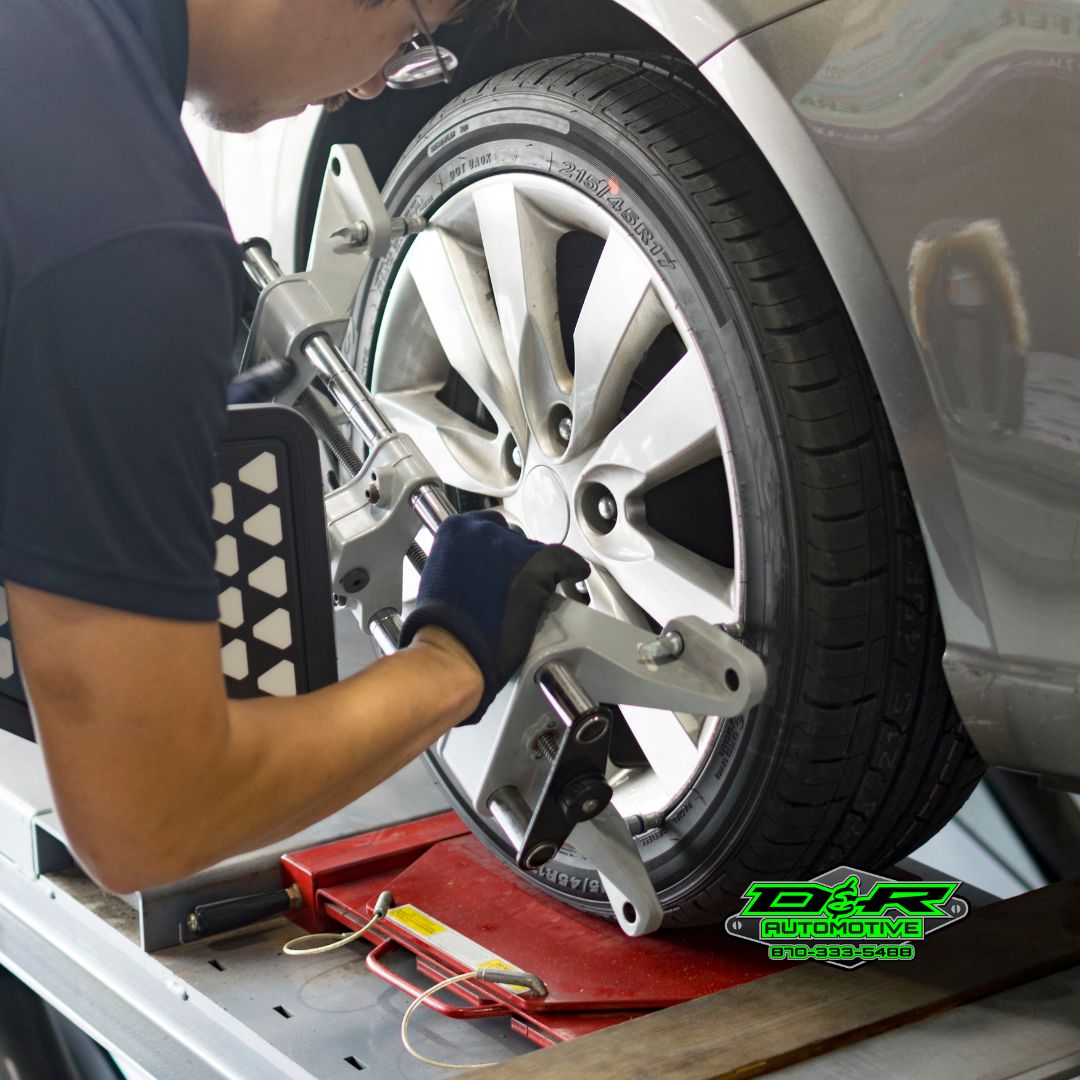
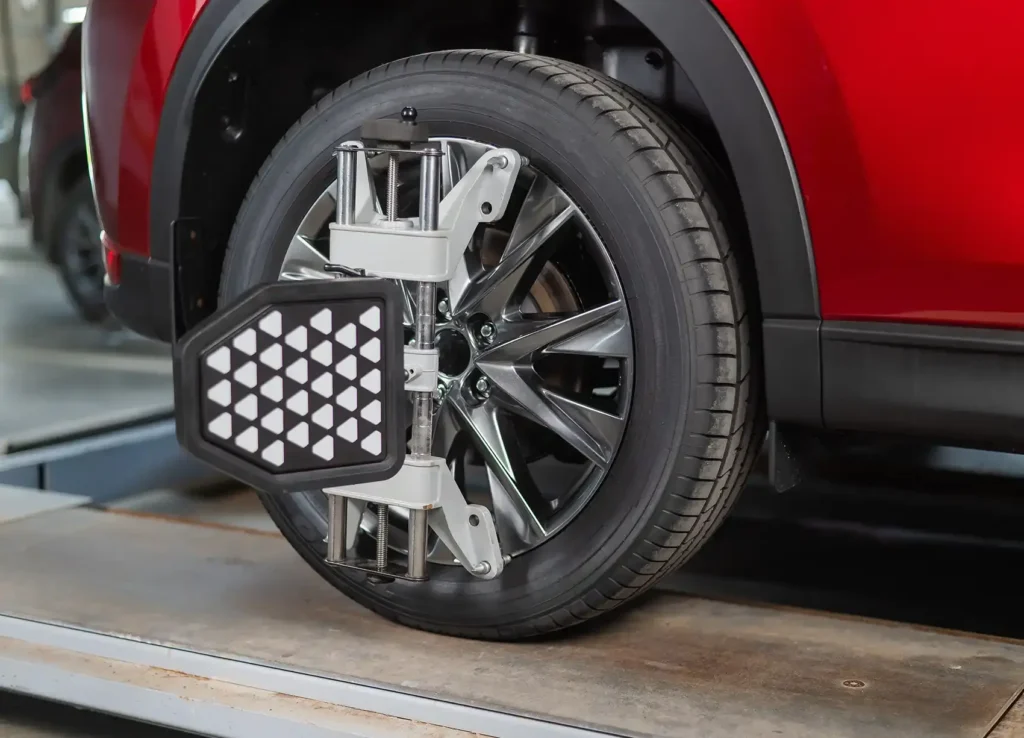
At Hot Tyres in Riverwood, alignment services use advanced digital alignment equipment for precise measurements.
Initial Inspection
Technicians inspect tyres, suspension components, steering linkages, and wheel bearings to ensure there are no underlying mechanical faults.
Computerised Measurement
High-precision sensors measure camber, caster, and toe angles against manufacturer specifications.
Adjustments and Calibration
Suspension components are adjusted to restore correct angles. Final measurements confirm accuracy.
Road Test Verification
A final road test ensures optimal handling and steering response following alignment.
Professional wheel tracking in Sydney requires experience, technical knowledge, and advanced tools to achieve precise results.
Two-Wheel vs Four-Wheel Alignment
Modern vehicles typically require four-wheel alignment for best results.
Two-Wheel Alignment
Often suitable for older vehicles with solid rear axles, this focuses on front wheel adjustments only.
Four-Wheel Alignment
Most modern vehicles benefit from full four-wheel tracking. This ensures all wheels align correctly relative to each other.
Comprehensive wheel tracking in Sydney ensures balanced handling and optimal performance.
How Often Should Wheel Tracking Be Performed?
Vehicle manufacturers generally recommend alignment checks every 10,000 to 15,000 kilometres or at least annually. However, Sydney drivers may require more frequent checks due to local road conditions.
Alignment should also be checked:
- After hitting a pothole
- After replacing tyres
- After suspension repairs
- If steering feels unusual
Regular wheel tracking in Sydney prevents minor misalignments from becoming major mechanical problems.
Wheel Tracking and New Tyres
Installing new tyres without checking alignment can lead to rapid, uneven wear. Professional alignment ensures new tyres perform as intended and reach their full lifespan.
For maximum value from tyre investments, combine new tyre installation with expert wheel tracking in Sydney.
Impact on Suspension and Steering Components
Misalignment places additional strain on suspension bushings, tie rods, and ball joints. Over time, this strain can lead to premature component failure.
Routine wheel tracking in Sydney reduces stress on these systems, lowering maintenance costs and enhancing vehicle durability.
Wheel Tracking for Performance Vehicles
Performance cars require precise alignment settings to optimise handling and stability. Even slight deviations can affect cornering grip and braking efficiency.
Specialised wheel tracking in Sydney ensures sports and high-performance vehicles maintain manufacturer-recommended geometry.
Wheel Tracking for SUVs and 4WDs
SUVs and 4WD vehicles experience increased suspension movement due to height and weight distribution. Off-road driving can further alter alignment angles.
Regular wheel tracking in Sydney ensures these vehicles maintain stability and safe road handling.
Alignment and Brake Performance
Misaligned wheels can affect braking efficiency by causing uneven contact with the road surface. Proper alignment ensures tyres maintain maximum grip during braking, reducing stopping distances.
Professional wheel tracking in Sydney enhances overall braking performance and safety.
Environmental and Economic Benefits
Correct alignment not only extends tyre life but also reduces environmental waste by preventing premature tyre disposal. Improved fuel efficiency lowers emissions, contributing to environmental responsibility.
Routine wheel tracking in Sydney supports both economic savings and sustainable driving practices.
Why Choose Professional Alignment Services
Attempting DIY alignment adjustments without specialised equipment can lead to inaccurate results. Precision tools and experienced technicians are essential for accurate calibration.
Hot Tyres provides professional wheel tracking in Sydney using advanced alignment technology and manufacturer specifications.
Cost vs Long-Term Savings
While alignment services involve a modest upfront cost, they prevent significant long-term expenses. Tyre replacements, suspension repairs, and increased fuel consumption can far exceed the price of alignment.
Investing in regular wheel tracking in Sydney ensures long-term vehicle performance and cost efficiency.
Wheel Tracking and Road Safety in Sydney
Sydney’s dynamic driving environment demands responsive steering and stable handling. From busy intersections to motorway speeds, precise alignment ensures your vehicle responds predictably.
Professional wheel tracking in Sydney plays a direct role in reducing accident risk and improving driver confidence.
The Importance of Ongoing Maintenance
Wheel alignment is not a one-time service. Regular inspections and maintenance ensure continued performance and safety.
Combining tyre rotations, balancing, and professional wheel tracking in Sydney provides comprehensive tyre care.
Conclusion
Wheel alignment is one of the most overlooked yet critical aspects of vehicle maintenance. It directly influences safety, tyre longevity, fuel efficiency, and overall driving comfort. Sydney’s varied road conditions, traffic patterns, and environmental factors make regular alignment checks even more important.
Professional wheel tracking in Sydney at Hot Tyres ensures your vehicle remains stable, efficient, and safe. With advanced equipment, experienced technicians, and a commitment to precision, Hot Tyres delivers alignment services that protect your investment and enhance your driving experience.
Maintaining correct alignment today prevents costly repairs tomorrow. For Sydney drivers who value safety, performance, and efficiency, regular wheel tracking is not optional—it is essential.
Contact Us:
74 Belmore Rd North, Riverwood NSW 2210
(+61) – (02) 9533 6138
hottyres74@gmail.com
Sydney, NSW, Australia
Faqs on Wheel Tracking in Sydney by hot tyres:-
1. What is wheel tracking and why is it important?
Wheel tracking, also known as wheel alignment, refers to adjusting the angles of a vehicle’s wheels so they are set to the manufacturer’s specifications. It ensures the tyres make proper contact with the road surface. When alignment is correct, the vehicle drives straight and handles predictably. Poor alignment can cause uneven tyre wear and steering issues. It also increases fuel consumption due to higher rolling resistance. Regular wheel tracking in Sydney helps maintain safety and performance. Proper alignment ultimately protects your tyres and suspension system.
2. How do I know if I need wheel tracking in Sydney?
There are several signs that indicate you may need wheel tracking in Sydney. If your vehicle pulls to one side while driving straight, alignment may be off. Uneven tyre wear, especially on the inner or outer edges, is another warning sign. A steering wheel that sits off-centre when driving forward also suggests misalignment. Vibrations in the steering wheel at certain speeds can point to alignment issues. After hitting a pothole or curb, it’s wise to have your alignment checked. Addressing these signs early prevents further damage. Regular inspections ensure optimal handling and tyre life.
3. How often should wheel tracking be done?
Most manufacturers recommend checking alignment every 10,000 to 15,000 kilometres. However, Sydney road conditions may require more frequent checks. Frequent exposure to potholes and speed bumps can alter alignment settings. It is also recommended after installing new tyres or suspension components. Even if no obvious symptoms appear, periodic checks ensure preventative maintenance. Regular wheel tracking in Sydney keeps tyres wearing evenly. Staying proactive helps avoid costly repairs later.
4. Does wheel tracking improve fuel efficiency?
Yes, correct alignment can improve fuel efficiency. When wheels are misaligned, tyres create additional rolling resistance. This forces the engine to work harder and consume more fuel. Proper wheel tracking in Sydney ensures tyres roll smoothly and evenly. Reduced resistance translates into better fuel economy over time. For daily commuters, these savings can be noticeable. Maintaining alignment also supports overall vehicle efficiency. It is a small adjustment that can make a measurable difference.
5. Can misalignment damage my tyres?
Misalignment is one of the main causes of premature tyre wear. When alignment angles are incorrect, certain parts of the tyre tread wear faster than others. This uneven wear shortens tyre lifespan significantly. Replacing tyres frequently can become expensive. Wheel tracking in Sydney corrects alignment issues before major damage occurs. Even minor deviations can cause accelerated wear if ignored. Regular alignment protects your tyre investment. Balanced tread wear ensures optimal performance and safety.
6. What is the difference between wheel balancing and wheel tracking?
Wheel balancing and wheel tracking are different services. Wheel balancing corrects weight distribution around the tyre and wheel assembly. It prevents vibrations caused by uneven weight. Wheel tracking, on the other hand, adjusts the angles of the wheels relative to the suspension and road. Both services contribute to smooth driving, but they address different issues. Wheel tracking in Sydney focuses specifically on alignment geometry. Balancing handles rotational stability. Often, both services are recommended together for best results.
7. Does hitting a pothole affect alignment?
Yes, hitting a pothole can affect alignment significantly. The impact can shift suspension components and alter wheel angles. Even small impacts may cause subtle misalignment. Over time, this can lead to uneven tyre wear and steering problems. Sydney roads sometimes contain unexpected potholes that drivers cannot avoid. After a strong impact, scheduling wheel tracking in Sydney is advisable. Early correction prevents further suspension damage. Regular checks ensure safe and stable driving.
8. Is wheel tracking necessary after installing new tyres?
Yes, it is highly recommended to perform alignment after installing new tyres. Without proper alignment, new tyres may wear unevenly almost immediately. This reduces their lifespan and wastes your investment. Wheel tracking in Sydney ensures new tyres are positioned correctly for even contact with the road. Proper alignment also improves ride comfort and stability. Combining tyre replacement with alignment maximises performance. It ensures you get full value from your new tyres. Prevention is always better than correction later.
9. How long does wheel tracking take?
Wheel tracking typically takes between 45 minutes and one hour. The duration depends on the vehicle type and condition. If suspension components are worn or damaged, additional time may be required. Advanced computerised equipment speeds up the measurement process. Technicians carefully adjust camber, caster, and toe angles. Wheel tracking in Sydney also includes verifying adjustments through testing. A thorough approach ensures accurate results. Proper alignment should never be rushed.
10. Can alignment issues affect braking performance?
Yes, misalignment can impact braking performance. When wheels are not properly aligned, tyres may not grip evenly during braking. This can increase stopping distances. Uneven tyre wear further reduces traction. Wheel tracking in Sydney restores proper alignment, improving braking stability. Balanced tyre contact enhances control during sudden stops. Proper alignment also prevents the vehicle from pulling while braking. Safety is significantly improved when alignment is correct.
11. Is wheel tracking important for SUVs and 4WD vehicles?
SUVs and 4WD vehicles benefit greatly from proper alignment. Their heavier weight places more stress on suspension systems. Off-road driving or uneven surfaces can quickly alter alignment angles. Wheel tracking in Sydney ensures these vehicles maintain stable handling. Proper alignment improves cornering control and tyre durability. It also enhances comfort on both city roads and highways. Regular checks are particularly important for larger vehicles. Maintaining alignment supports long-term performance.
12. What causes wheel misalignment?
Wheel misalignment can result from various factors. Hitting potholes, curbs, or road debris is a common cause. Worn suspension components can also alter alignment settings. Everyday driving over rough surfaces gradually shifts angles. Accidents or collisions may cause structural misalignment. Wheel tracking in Sydney corrects these issues by restoring manufacturer specifications. Regular inspections catch minor changes before they worsen. Understanding the causes helps drivers stay proactive.
13. Does wheel tracking improve steering control?
Yes, proper alignment significantly improves steering control. When wheels are correctly aligned, steering feels more precise and responsive. Drivers experience better stability at higher speeds. Misalignment can cause loose or unstable steering. Wheel tracking in Sydney ensures the steering wheel returns to centre naturally. It also improves cornering consistency. Better steering control enhances overall driving confidence. Smooth handling contributes to safer journeys.
14. Can poor alignment damage suspension components?
Yes, prolonged misalignment can strain suspension components. Tie rods, bushings, and ball joints may wear prematurely. Increased stress leads to costly repairs over time. Wheel tracking in Sydney reduces this strain by restoring correct angles. Balanced suspension geometry ensures even load distribution. Preventative alignment checks protect the entire suspension system. Early intervention avoids expensive replacements. Proper maintenance supports vehicle longevity.
15. Is wheel tracking different for performance cars?
Performance vehicles often require more precise alignment settings. Small deviations can significantly affect handling and grip. Wheel tracking in Sydney for sports cars may involve specialised adjustments. Technicians ensure camber and toe angles suit performance driving. Proper alignment enhances cornering stability and braking efficiency. High-performance tyres also benefit from accurate geometry. Precision alignment maximises vehicle capabilities. Maintaining these settings ensures optimal driving dynamics.
16. Does alignment affect tyre noise?
Yes, improper alignment can contribute to increased tyre noise. Uneven wear patterns may create humming or roaring sounds. Wheel tracking in Sydney helps distribute tread wear evenly. Even contact reduces excessive vibration and noise. Proper alignment also enhances ride comfort. Drivers often notice quieter driving after correction. Noise reduction adds to overall driving enjoyment. It is another benefit of routine maintenance.
17. Can alignment issues cause vibration?
Alignment problems may cause vibration, especially at higher speeds. When wheels are not aligned, they may not roll smoothly. This can create steering wheel tremors. Wheel tracking in Sydney corrects angle discrepancies to restore stability. While vibrations can also result from balancing issues, alignment checks rule out geometry problems. Smooth rotation improves comfort. Addressing vibrations promptly prevents further complications. Stable handling ensures safer travel.
18. Is wheel tracking necessary after suspension repairs?
Yes, alignment should always be checked after suspension repairs. Replacing components such as struts or control arms alters wheel angles. Wheel tracking in Sydney recalibrates alignment to match manufacturer specifications. Skipping this step may lead to uneven tyre wear. Proper alignment ensures repairs deliver intended performance. It also prevents premature wear of new components. Final calibration completes the repair process. Always align after suspension work.
19. Can wheel tracking prevent uneven tyre wear completely?
While wheel tracking greatly reduces uneven wear, other factors can still influence tyre condition. Driving habits, tyre pressure, and road conditions also play roles. However, correct alignment ensures tyres wear evenly under normal conditions. Wheel tracking in Sydney addresses one of the primary causes of irregular wear. Combined with proper inflation and rotation, tyres last longer. Regular maintenance maximises tread life. Balanced wear supports consistent traction. Preventative care delivers long-term benefits.
20. Why choose professional wheel tracking services?
Professional wheel tracking services use advanced computerised equipment for precise measurements. Experienced technicians understand manufacturer specifications and suspension geometry. Attempting adjustments without proper tools can cause further misalignment. Wheel tracking in Sydney performed by experts ensures accuracy and safety. Professionals also inspect related suspension components. Comprehensive evaluation prevents overlooked issues. Investing in professional service protects your vehicle and tyres. Precision alignment provides peace of mind on every drive.
Contact Us:
74 Belmore Rd North, Riverwood NSW 2210
(+61) – (02) 9533 6138
hottyres74@gmail.com
Sydney, NSW, Australia