
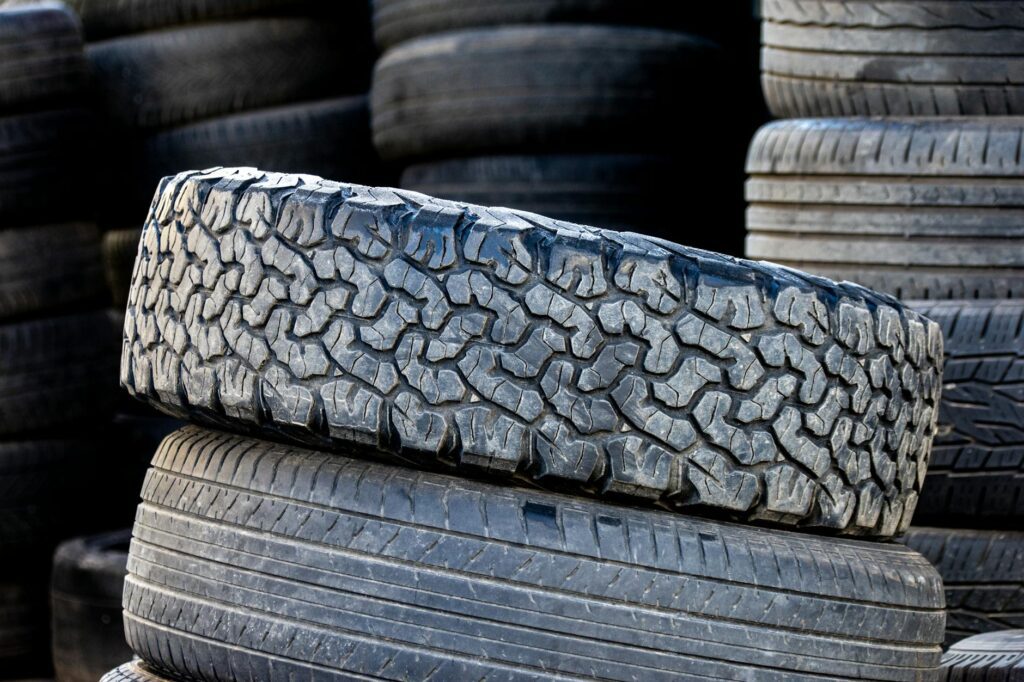
You pull the car out of the garage after a few months sitting idle. And something looks off about the tyres. Small cracks, a greyish tinge, a dusty texture where the rubber should be glossy. That’s dry rot. And it’s more dangerous than it looks.
Why Dry Rot on Tyres Is a Serious Safety Risk in Sydney
Dry rot, sometimes called sidewall cracking or tyre cracking, happens when the rubber in your tyres degrades faster than it should. It’s not just cosmetic. A tyre with advanced dry rot can fail without warning, especially at highway speed. According to the Tyre & Rim Association of Australia, tyre-related incidents account for a significant proportion of preventable blowouts on Australian roads. And many of those start with rubber degradation that drivers ignored or didn’t recognise early enough.
In this guide, you’ll discover:
- How to identify dry rot before it becomes dangerous: the visual and physical warning signs to check right now
- Exactly what causes dry rot on tyres: from UV exposure and ozone to under-inflation and storage habits
- What Sydney’s specific conditions do to your rubber: and why local drivers face higher risk than most
Sydney’s climate, high UV, salt air near the coast, and summer temperatures that push bitumen to over 60°C, accelerates rubber oxidation faster than most Australian cities. A tyre that might last six years in Melbourne can show dry rot in three to four years in Western Sydney. The good news is that dry rot is preventable, and if you catch it early, you can often extend tyre life significantly.
How to Recognise Dry Rot on Your Tyres
Dry rot is a rubber degradation process, not a single event. It develops gradually as the plasticisers and oils inside your tyre compound evaporate or oxidise. By the time it’s clearly visible, the damage is already structural. According to a 2022 technical bulletin from Bridgestone Australia, tyres can lose up to 30% of their structural integrity before cracking becomes obvious to the naked eye.
The Four Visual Stages
- Stage 1, Surface Fading: The tyre loses its glossy black finish and turns grey or brown. No cracks yet, but the rubber is drying out. Often mistaken for normal ageing and routinely ignored.
- Stage 2: Hairline Cracks: Fine cracks appear in the sidewall or between tread blocks, typically less than 1mm deep. Tyres at this stage may still be serviceable but need close monitoring every 4-6 weeks.
- Stage 3: Deep Cracking: Cracks extend deeper into the rubber, sometimes exposing the textile or steel belts beneath. This is a safety risk, full stop. Do not drive on these tyres at highway speeds.
- Stage 4, Tread Separation Risk: The rubber compound has broken down to the point where chunks of tread can separate at speed. Immediate replacement is non-negotiable at this stage.
Our technicians at Hot Tyres in Riverwood see this regularly, drivers bring in cars where the tyres look “fine from a distance” but are riddled with sub-surface cracking up close. A proper tyre safety inspection in Sydney includes close-up sidewall and bead assessment that a quick visual check at a petrol station simply won’t catch.
What Causes Dry Rot on Tyres: The Real Culprits
Most drivers assume dry rot only happens to old tyres. That’s wrong. A tyre can develop dry rot in three years under the wrong conditions. And another can remain structurally sound at ten years with proper care. Understanding what causes dry rot on tyres is the first step to preventing it. The chemistry matters here.
The Six Primary Causes
- UV Exposure: Ultraviolet radiation breaks down the antiozonants in rubber, the chemicals that keep it flexible. Australia has some of the highest UV indices in the world. The Bureau of Meteorology regularly records UV Index readings above 11 (Extreme) in Sydney from October through March. Tyres parked outdoors year-round are continuously bombarded, and there’s no SPF for rubber.
- Ozone Degradation: Ozone reacts with the double bonds in natural rubber, causing chain scission, essentially cutting the polymer chains that give rubber its elasticity. Urban areas like Greater Sydney have elevated ground-level ozone from vehicle exhaust. Ironically, a car parked near heavy traffic is exposed to more ozone than one in motion.
- Under-Inflation: A chronically under-inflated tyre flexes more with each rotation. That extra flexing generates heat, which accelerates antioxidant depletion. Transport for NSW recommends checking tyre pressure monthly. Most Sydney drivers check it a few times a year at best.
- Prolonged Parking or Vehicle Storage: When a tyre sits stationary for weeks or months, the antiozonants stop migrating to the tyre surface. Rubber needs movement to keep replenishing its protective layer. Caravans, classic cars, and work vehicles that sit idle over holidays are especially vulnerable.
- Chemical Contamination: Petroleum-based tyre shine products, engine degreaser overspray, and fuel spills all strip the natural oils from rubber. Some “tyre dressings” sold at auto shops actually accelerate dry rot by leaving a solvent residue that looks glossy for a week but depletes antiozonants beneath the surface.
- Age: Rubber compounds contain antiozonants and antioxidants that deplete over time, regardless of use. Bridgestone, Toyo, and Cooper all recommend replacing tyres after six years regardless of tread depth remaining. At ten years, replacement is mandatory under best-practice guidelines.
Under-inflation is one of the fastest-acting causes of dry rot. And it’s entirely preventable. Our tyre inflation service in Sydney takes five minutes and includes a pressure set to your vehicle’s door placard spec, not the maximum stamped on the tyre sidewall.
Why Sydney’s Conditions Make Dry Rot Worse Than Most Cities
Not all cities treat tyres equally. Sydney’s combination of intense UV, coastal humidity, suburban stop-start traffic, and extreme summer road temperatures creates a compounding effect that accelerates rubber degradation faster than the national average. The NRMA’s 2023 Tyre Safety Report found that tyre condition was a contributing factor in 1 in 4 vehicle inspections conducted through their mobile service across Greater Sydney, a figure that tracks closely with what we see at our Riverwood workshop.
Sydney-Specific Risk Factors
- UV Index: Sydney averages a UV Index of 10-12 from November through February, rated Extreme on the BOM scale. That’s the level that causes sunburn in under 10 minutes for fair skin. Rubber doesn’t regenerate like skin does. Every extreme UV day chips away at antiozonant reserves.
- Coastal Salt Air: Suburbs within 20km of the coastline, including Hurstville, Sutherland, and Kingsgrove, face elevated salt air exposure year-round. Salt accelerates corrosion of steel belt wires inside the tyre carcass. When inner belts corrode, cracks can propagate from the inside out, invisible until they’re severe.
- Road Surface Heat: Bitumen in Western Sydney and Penrith regularly reaches 60-70°C in summer. A tyre sitting in a car park all day is cooking from the bottom. The thermal cycling, cool at night, roasting by midday, is harder on rubber than sustained heat alone because it stresses the compound repeatedly.
- Stop-Start Traffic: The M5, Parramatta Road, Canterbury Road. Sydney’s arterial roads subject tyres to repeated flexing at low speeds, exactly the pattern that depletes antiozonants fastest because there’s insufficient speed to generate the airflow that cools and ventilates the tyre compound.
Before any long drive, a coastal run to Wollongong, a Blue Mountains weekend, or a country trip, tyre condition should be the first item on your checklist. Our pre-road trip car check in Sydney covers sidewall integrity, tread depth, and inflation, the three factors most likely to cause a highway incident in extreme heat.
Dry Rot Risk by Tyre Brand and Type: How Australian Compounds Compare
| Brand / Range | Compound Type | UV/Ozone Resistance | Typical Lifespan (Sydney) | Approx. Cost (per tyre, fitted) |
|---|---|---|---|---|
| Bridgestone Turanza T005A | Touring / Passenger | High | 5–7 years | $180–$260 |
| Toyo Open Country A/T III | All-Terrain | High | 5–7 years | $220–$320 |
| Cooper Discoverer AT3 | All-Terrain | Medium-High | 5–6 years | $180–$270 |
| BFGoodrich All-Terrain T/A KO2 | All-Terrain / 4WD | High | 6–8 years | $280–$400 |
| Budget / Unbranded Passenger | Passenger | Low | 2–4 years | $70–$120 |
How to Prevent Dry Rot and Extend Tyre Life
Prevention is significantly cheaper than replacement. A set of four quality tyres in Sydney, Toyo Open Country or Bridgestone Turanza, costs between $800 and $1,400 fitted. Extending that lifespan by two years through proper maintenance saves hundreds of dollars per set. According to the Motor Trades Association of Australia, over 40% of premature tyre replacements could be avoided with basic monthly maintenance habits.
Your Dry Rot Prevention Checklist
- Check tyre pressure monthly, cold. Under-inflation is the single biggest accelerator of premature dry rot. Check before driving more than 3km. Use the figure on your car’s door placard, not the maximum stamped on the tyre sidewall. Most Sydney passenger cars run 32–36 PSI.
- Rotate tyres every 8,000–10,000km. Uneven wear concentrates flexing stress on specific tyre sections, accelerating localised degradation. Rotation keeps wear even and extends compound life across all four tyres simultaneously.
- Park in shade wherever possible. Garaging overnight significantly reduces UV and thermal cycling damage. If you can’t garage, a car cover for extended storage periods is cheap insurance against UV degradation.
- Avoid petroleum-based tyre dressings. Many “tyre shine” products contain silicone oils or petroleum distillates that strip antiozonants from the rubber surface. Use only water-based tyre conditioners, or nothing at all. Matte black tyres are healthy tyres.
- Move stored vehicles monthly. If a car sits stationary for more than 3–4 weeks, take it for a 20-minute drive. Movement replenishes antiozonant migration to the tyre surface and prevents flat-spotting from static load stress.
If your vehicle is on the road regularly, our mobile tyre fitting service in Sydney can come to you for rotations and pressure checks, no need to take the car off the road or rearrange your workday.
When to Replace Dry Rot Tyres: and What It’ll Cost You
The question we get most often: “Are my tyres safe to drive on, or do I need new ones now?” There’s no single universal answer. It depends on severity, age, and how the vehicle is used. But there are clear legal thresholds. According to Transport for NSW, any tyre with cracks that expose internal cords or structural material is unroadworthy and must be replaced before the vehicle operates on NSW roads.
Replace Immediately If You See Any of These
- Cracks running through the tread blocks: not just between them. Tread cracking indicates compound failure that has gone beyond the sidewall.
- Visible fabric or steel belts through any crack. This tyre is structurally compromised. Replace both tyres on the affected axle, not just the worst one.
- Bulges alongside cracked sidewalls. A bulge means the inner liner or belt has already separated from the carcass. Blowout risk is high, particularly at highway speed.
- DOT age over 10 years, regardless of visual appearance. Rubber chemistry degrades on a timeline whether you drive or not. There’s no exception to this rule.
- Cracking around the bead area. Where the tyre meets the rim is a high-stress zone. Cracking here can cause slow air loss at low speeds. And acute failure under load.
On the cost side, a set of four replacement passenger tyres fitted in Sydney ranges from around $400 for budget options to $1,400 for premium brand sets. Our affordable wheels and tyres guide for Sydney drivers breaks down what you actually need to spend for reliable rubber. And where budget tyres consistently fall short on antiozonant content. When you’re ready to proceed, our tyre installation service in Sydney includes a full tyre condition report before and after fitting, so you have a clear written record of what you started with.
It’s also worth knowing that dry-rotted tyres will fail an eSafety check, the NSW roadworthy inspection required for registration renewal. Getting your tyres assessed before the inspection avoids a re-inspection fee on top of the replacement cost. Our guide on pink slip costs in NSW for 2026 explains exactly what inspectors look for and which defects are most commonly flagged on older vehicles.
Worried About Cracks in Your Tyres?
Our technicians at Hot Tyres Riverwood offer a free tyre condition assessment. We’ll tell you exactly where you stand, whether it’s a simple inflation correction or a same-day replacement job. No jargon, no pressure.
Call us:(02) 9533 6138 | Get a Free Quote
Common Mistakes Sydney Drivers Make With Dry Rot
“The biggest mistake we see is drivers applying tyre shine to cracked rubber thinking it’ll restore it. Silicone-based dressings mask the cracking temporarily but strip the antiozonants that slow further degradation. It’s the exact opposite of what you need to do.”
Hot Tyres Team, Riverwood NSW
- Using petroleum-based tyre shine on cracked tyres: It looks better for a week, then accelerates cracking beneath the surface. Switch to a water-based conditioner, and address the underlying dryness with proper inflation and shade parking first.
- Assuming new tread means safe tyres: Tread depth and rubber condition are entirely separate assessments. A tyre with 6mm of tread remaining and severe sidewall cracking is still dangerous. Always check both independently.
- Ignoring tyres on “garage queens” and stored vehicles: Ozone attacks rubber whether you drive or not. Garage-stored vehicles often develop dry rot faster than daily drivers because the tyres never warm up enough to replenish antiozonant migration to the surface.
- Replacing only the worst tyre in the set: If one tyre is at Stage 3, the others are almost certainly at Stage 2. Replacing just the most visibly cracked tyre leaves three compromised tyres on the road and creates a false sense of security about overall tyre health.
- Skipping the tyre check at eSafety inspection time: Many drivers only examine their tyres when something goes wrong. Including a proper eSafety check in Sydney with a tyre audit catches degradation before it becomes a blowout, or a defect notice that keeps your car off the road.
- Using age alone to decide when to replace: Age is one factor. UV exposure history, inflation habits, and storage conditions matter just as much. A five-year-old tyre stored indoors in the Southern Highlands is often in better condition than a three-year-old tyre left outdoors in Penrith through summer.
What to Expect: Dry Rot Management Timeline
| Timeline | Action | Expected Outcome |
|---|---|---|
| Day 1 | Professional tyre inspection and DOT date check | Clear picture of current dry rot stage and replacement urgency for each tyre |
| Week 1–2 | Correct tyre pressure, switch to water-based conditioner, arrange shaded parking | Antiozonant migration restores to surface; Stage 1–2 cracking stabilises |
| Month 1–3 | Monthly pressure checks, rotate tyres, drive stored vehicles for 20 minutes monthly | No new cracking on Stage 1–2 tyres; Stage 3+ tyres replaced and performing correctly |
| 6–12 Months | Rotation service and reinspection of compound condition | Full tread life achieved on replacement set; measurable extension of tyre lifespan across the fleet |
Book a Tyre Safety Check at Hot Tyres Riverwood
Serving Riverwood, Punchbowl, Bankstown, Canterbury, Hurstville, Beverly Hills, Kingsgrove, and surrounds. Same-day appointments regularly available.
Call us:(02) 9533 6138 | Get a Free Quote
Frequently Asked Questions
What causes dry rot on tyres and can it actually be repaired?
Dry rot is caused by the depletion of antiozonants and plasticisers in the rubber compound: driven by UV exposure, ground-level ozone, under-inflation, prolonged stationary storage, chemical contamination, and natural ageing. In Australia, extreme UV index readings and summer road temperatures accelerate this process significantly compared to cooler climates. Unfortunately, dry rot cannot be repaired once it takes hold. There’s no product that restores degraded rubber chemistry. However, Stage 1 surface cracking can be stabilised by correcting tyre pressure, eliminating petroleum-based dressings, and reducing UV exposure. Stage 3 or Stage 4 dry rot means the tyre must be replaced immediately for road safety.
How do I know if my tyres have dry rot?
Start with the surface colour, dry-rotted rubber loses its glossy black finish and turns grey or brown. That’s Stage 1. Then run your fingers across the sidewall and between tread blocks. Hairline cracks you can feel before you can clearly see indicate Stage 2. Deeper visible cracking that extends across tread blocks, or any crack exposing internal fabric or steel belts, is Stage 3–4 and requires immediate replacement. A professional technician can also perform a flex test, gently squeezing the sidewall to check for brittleness, as part of a tyre safety inspection. If your vehicle is more than five years old and hasn’t had a dedicated tyre assessment, book one before your next long drive.
How long do tyres last in Sydney before dry rot becomes a real concern?
In Sydney’s conditions: high UV, coastal salt air across much of the metro area, and summer road surface temperatures above 60°C: quality tyres from Bridgestone, Toyo, Cooper, and BFGoodrich typically last five to seven years before dry rot becomes a serious concern, assuming correct inflation and reasonable storage. Budget tyres with lower antiozonant content can show Stage 2 cracking in two to three years. The Tyre & Rim Association of Australia recommends inspecting any tyre over five years old every six months, and replacing all tyres after ten years regardless of remaining tread depth or apparent visual condition.
Will dry-rotted tyres fail an eSafety check in NSW?
Yes. If the cracking has reached Stage 3 or exposes structural material. Under NSW roadworthy standards administered by Transport for NSW, any tyre with cracks that expose cords or inner belts, or cracking of a severity that compromises tyre integrity, is classified as unroadworthy. An eSafety inspector checks all four tyres as part of a pink slip inspection, including sidewall condition and bead area. If you’re heading into a registration renewal with ageing tyres, get them assessed at a workshop first. Replacing two tyres before the inspection is significantly cheaper than a re-inspection fee on top of the replacement cost after a fail. Our Riverwood workshop typically completes same-day tyre replacements.
Can I drive on tyres that show minor cracking?
Stage 1 dry rot, surface greyness and very fine hairline cracking, may be safe for continued driving if tread depth meets the legal minimum of 1.5mm across the central three-quarters of the tread width, and if the tyres are under six years old. Stage 2 cracking warrants close monitoring and a professional assessment within 4–6 weeks. Stage 3 or above, deep visible cracking, tread block cracking, or any exposed belts, means the tyre is not roadworthy and should not be driven on, particularly at highway speeds or in wet conditions. When in doubt, have a qualified technician assess the tyres in person rather than making a judgement call based on photos or a quick visual check.